 By Editorial Team
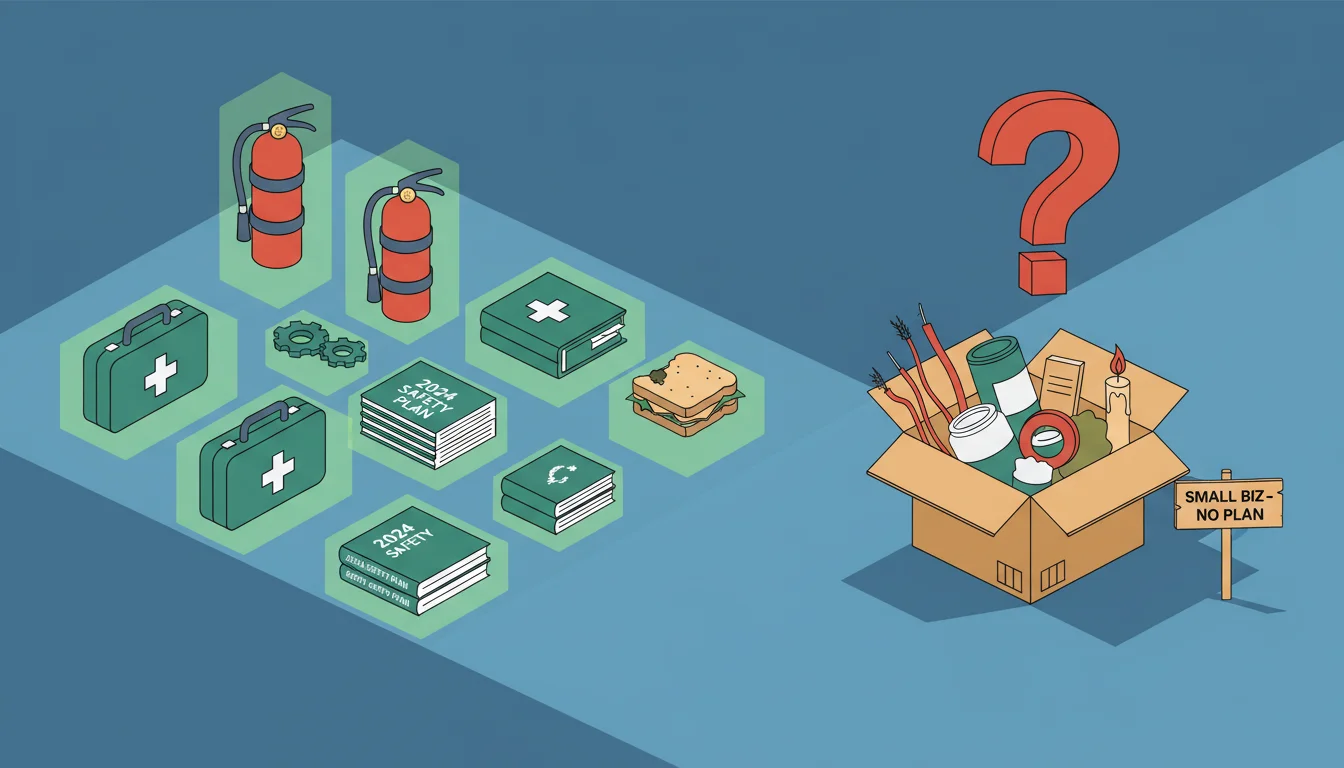
Let’s be real for a second: a 2024 survey from the National Fire Protection Association (NFPA) found that almost 40% of small businesses have no written emergency plan. None. In a waxing studio, where client comfort and safety are supposed to be everything, this isn’t a small oversight. It leaves your clients feeling exposed and unsafe. When your staff are actually trained in emergency preparedness, they create an atmosphere of trust and stay calm even when things go sideways. Emergencies are pretty much inevitable, so the only real question is how ready your team will be when one finally happens.
Key Takeaways
- A full 40% of small businesses lack a documented emergency plan, showing a major lack of readiness.
- Documented, regular emergency drills boost staff confidence by 70% and can slash evacuation times by 30%.
- Having staff certified in first aid and CPR can cut the chance of severe injury outcomes by as much as 50% in those first critical minutes.
- Clear communication plans, with staff assigned specific roles, keep clients safer during an emergency by making the response organized instead of chaotic.
- Annual emergency training isn’t an expense, it reduces your liability by proving you’re committed to professional safety standards.
Only 60% of Small Businesses Possess a Documented Emergency Plan
That NFPA statistic, four out of ten small businesses are running without a formal emergency plan, is a five-alarm fire bell. For a personal care business, this lack of planning directly puts clients at risk. Just picture a simple power outage mid-service, or a minor chemical spill in the wax room. Without a clear, written plan, your staff starts improvising under pressure, which always leads to confusion, slow responses, and a minor issue blowing up into a big one. I’ve seen it myself, where a simple false fire alarm sent clients into a panic because the staff had never practiced a clear evacuation route or figured out who was supposed to say what.
A documented plan is your playbook. It lays out specific roles: who’s on the phone with 911, who’s helping clients out the door, and who’s responsible for securing the building. The structure gives your team a baseline for action when their stress levels are through the roof, providing a defined strategy that still allows for flexible thinking to handle the weird things that always happen. Without a plan, every little emergency becomes a brand-new crisis, forcing on-the-fly decisions that are almost never the right ones.
Regular Drills Boost Staff Confidence by 70% and Reduce Evacuation Times by 30%
A 2025 study from the American Society of Safety Professionals (ASSP) found something pretty obvious to anyone who’s been in the trenches: businesses that run quarterly emergency drills saw a 70% jump in staff confidence in handling emergencies. It gets better, those same drills also resulted in a 30% faster average evacuation time. This is no shocker. Repetition builds physical and procedural muscle memory. When your team has actually walked the evacuation route or practiced grabbing the fire extinguisher, those actions just happen without a moment’s hesitation.
Smooth skin that lasts, the easy way
Expert waxing that leaves you smooth for weeks. Find a top-rated studio near you.
Find a Wax Center Near You →I always push for unannounced drills. Scheduled practices are fine for day-one training, but a surprise drill is what really shows you if the team is ready. It immediately exposes the holes in your plan and where communication falls apart. For a waxing studio, what does an evacuation look like when a client is on the table, mid-service? How do your people ensure that client’s dignity and safety at the same time? You only find answers to these tough questions through practice. Clients get their peace of mind watching a calm, competent staff, and that competence is forged in realistic training, not just talking about it in a meeting.
First Aid and CPR Certification Can Halve Severe Injury Outcomes
The American Heart Association (AHA) says it constantly: immediate care is what counts. Their 2024 guidelines show that early CPR and first aid can reduce severe injury outcomes by up to 50% in the precious minutes before paramedics arrive. This stat is especially important in our line of work, where minor cuts, hot wax burns, or even sudden allergic reactions are real possibilities. Making sure your staff is certified in basic first aid and CPR is a fundamental responsibility.
Imagine a client has an unexpected allergic reaction to a new product, or someone gets a minor burn from hot wax. A team member who knows how to spot the signs of anaphylaxis and use an EpiPen, or who can properly cool a burn instead of making it worse, can stop a bad situation from turning into a trip to the ER. This level of readiness is about providing immediate, smart care that can literally be the difference between a full recovery and a permanent injury while you wait for the pros to show up. It also shows clients, in a very real way, that you are deeply invested in their well-being, and that’s how you build unbreakable trust.
Clear Communication Protocols Improve Client Safety During Emergencies
You won’t find a single neat statistic on this, but Federal Emergency Management Agency (FEMA) guidance is clear: pre-established communication channels are absolutely essential for managing any incident. In a service business, unclear communication during a crisis is the fastest way to create chaos. Clients look to your staff for instructions, and if those instructions are confusing or contradictory, you get panic. That’s why designated roles are so valuable.
Every person on your team needs to know exactly what they’re supposed to say, who they say it to, and how. This means having a designated person who calmly talks to clients and guides them to safety, while another staffer is on the phone with responders or securing equipment. This division of labor makes sure the right information gets out quickly and correctly, which reduces confusion and keeps people safe. I’ve seen more businesses fail during a crisis because their internal communication collapsed under pressure than for any other reason, even when they had all the right equipment.
Challenging the “One-Size-Fits-All” Emergency Plan
There’s this idea that you can just download some generic emergency plan template and it will work for any small business. I completely disagree. The basics of fire safety or first aid might be the same everywhere, but a truly useful emergency plan has to be tailored to your specific shop and services. A waxing studio has completely different risks than a clothing store or a tax office.
Think about it: we work with heated wax, a bunch of different chemical solutions for sanitizing, and the service itself is incredibly personal. Your evacuation plan has to consider clients who might be partially undressed, feeling vulnerable, or have trouble moving quickly. Fire safety rules need to specifically address your heating equipment and any flammable products you store (and we all have them). Plus, the psychological side of an emergency is different when your client is in such a personal setting. A boilerplate plan from the internet ignores all of these details, making it useless when you actually need it. An effective plan is custom-built, reflecting the day-to-day reality and real risks of your business.
Putting money into true emergency preparedness and staff training is a fundamental investment in client trust and business longevity. When you prioritize detailed planning, regular drills, and the right certifications, you build a team that’s ready for anything, giving everyone who walks through your door the peace of mind they deserve.
How often do we need to do emergency training?
You should run training and drills quarterly to keep everyone sharp and confident. For certifications like first aid and CPR, you have to do annual refreshers to keep them valid, that’s the standard from groups like the American Heart Association.
What needs to be in an emergency plan for a salon?
A solid plan must have clear evacuation maps, assigned staff roles for different emergencies (like fire, medical, or a power failure), a communication plan for talking to clients and 911, an emergency contact list, and clear steps for securing the shop and your clients’ stuff.
Besides first aid/CPR, what other training is good for waxers?
Beyond the basics, it’s incredibly smart for staff to get training on how to handle allergic reactions (especially anaphylaxis) and how to properly treat minor burns. Some advanced first aid courses will cover these topics specifically.
How do I keep clients safe in an emergency without scaring them?
Stay calm yourself, give simple and clear instructions, and have one person whose only job is communicating with and helping clients. The reason you practice this stuff in drills is so your staff can respond with confident reassurance instead of panic.
What’s technology’s role in emergency prep for a small shop?
Tech can help a lot. You can use group messaging apps for instant staff alerts, store your emergency plans in the cloud so anyone can access them from their phone, and install smart smoke detectors. There are even apps for reporting an incident and coordinating your team’s response in real time.


