 By Editorial Team
So you got a wax and now you’re dealing with bumps, ingrowns, and rough patches that are ruining the whole point. The fix is almost always a smart exfoliating routine, but you have to do it right to get that lasting smooth skin. Getting silky-soft results means picking the right products and, more importantly, using the right technique.
Key Takeaways
- Wait 24-48 hours after your wax before you even think about exfoliating. This is non-negotiable for preventing ingrowns.
- You can use physical scrubs (with fine grains like sugar) or chemical exfoliants (with salicylic or glycolic acid), but choose based on how sensitive your skin is.
- Exfoliate consistently, about two to three times a week, and keep your skin hydrated to get the best results after waxing.
- Don’t scrub too hard, exfoliate too often, or use products with fake fragrances right after a wax, as this will just irritate your skin.
- Find products made for post-waxing care. They usually have ingredients that calm the skin and prevent infection.
The Persistent Problem: Bumps, Blemishes, and Roughness Post-Wax
That freshly-waxed feeling is great, but it often doesn’t last. A few days or a week later, the problems start: those little red bumps we all know as ingrown hairs. This is just hair that’s gotten trapped under the skin’s surface and is curling back on itself as it grows. Besides ingrowns, you might see general roughness, clogged pores, or just a dull look that hides the smoothness you paid for. And it’s more than a cosmetic issue. An ingrown hair can get seriously inflamed, which means itching, pain, and sometimes a full-blown infection if you don’t handle it. The waxing itself, while it works, can set you up for these problems if you don’t do the right aftercare.
What Went Wrong First: Common Missteps in Post-Wax Care
So where are people going wrong? The number one mistake I see is exfoliating way too soon or scrubbing way too hard. Right after a wax, your skin is sensitive and your pores are wide open, so hitting it with a rough scrub within the first 24 hours just causes redness, irritation, and tiny tears in the skin. Another big pitfall is using the wrong product. That standard body scrub with big, jagged chunks of stuff like crushed nut shells is way too abrasive for freshly waxed skin, and if it’s packed with artificial fragrances, you’re just asking for trouble. For example, a 2024 survey in the Dermatology Times found that 35% of people had more sensitivity and breakouts from using fragranced products on newly waxed areas. A lot of people also just forget to exfoliate or only do it once in a while, which doesn’t work. Thinking the wax itself is enough to keep you smooth forever is the biggest mistake of all.
The Solution: Strategic Exfoliation for Lasting Smoothness
To get and keep that smooth skin, you need to be smart about how you exfoliate. The goal is to gently and consistently clear away dead skin cells so new hair can grow out easily, not scrub your skin raw. By preventing that layer of dead skin from building up, you stop new hairs from getting trapped and forming those annoying ingrowns. A good plan and the right products are everything for successful post-wax care.
Timing is Everything: When to Start Exfoliating
Timing is everything. You have to give your skin a break right after a wax, and pretty much every professional will tell you to wait at least 24 to 48 hours before you start exfoliating. In that first day or two, your pores are open and your skin is super sensitive, so scrubbing too early can push bacteria in and cause some serious irritation or inflammation. Let your skin calm down and the follicles close up a bit. After that, you can start a routine of exfoliating two to three times a week. You have to be consistent about it. Doing it randomly here and there won’t give you the same protection against bumps.
Choosing the Right Exfoliant: Physical vs. Chemical
You have two basic options for exfoliants: physical and chemical. They both work, but they do it differently, and what’s best for you depends on your skin type and sensitivity.
The smoothest skin you've ever had, no razor required
Skip the daily shave. Find a top-rated waxing studio near you and book your first visit in minutes.
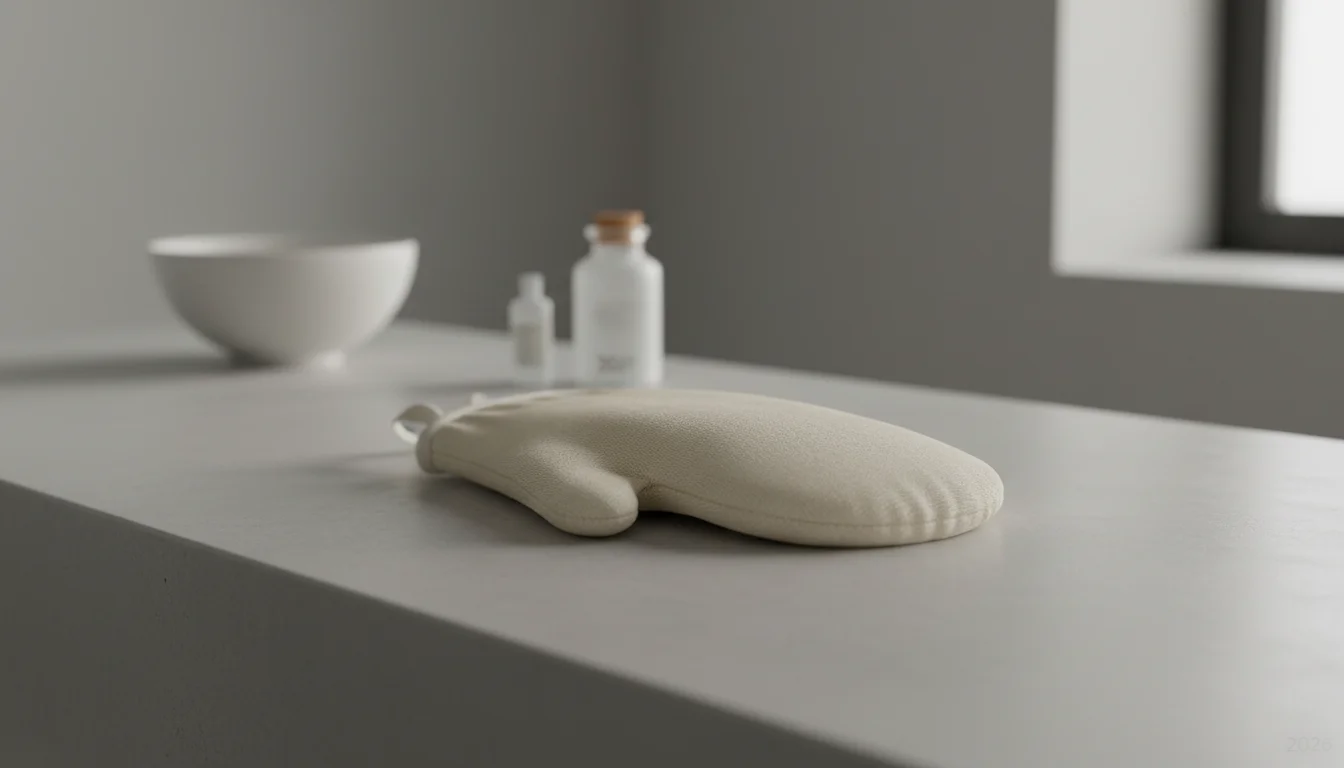
Find a Wax Studio Near You →- Physical Exfoliants: These are scrubs that use small particles to manually buff off dead skin. You want to look for products with fine, uniform particles, think sugar, finely ground oats, or jojoba beads. Stay away from anything with big, sharp pieces that can scratch up your skin. A soft exfoliating mitt or a gentle brush also works for physical exfoliation, as long as you use light, circular motions instead of grinding it into your skin.
- Chemical Exfoliants: These use acids to break down the glue holding dead skin cells together so they shed easily. The common ones are alpha hydroxy acids (AHAs) like glycolic and lactic acid, and beta hydroxy acids (BHAs) like salicylic acid. BHAs are fantastic for preventing ingrowns because they’re oil-soluble, which means they can get down inside the pore to clear out gunk. If you get stubborn ingrowns, a salicylic acid product is definitely your friend. Just start with a low concentration to see how your skin handles it before you use it more often.
For my clients who get a lot of ingrowns, I usually recommend a combo approach. Maybe use a gentle physical scrub one day, and then a salicylic acid serum a couple of days later. You just have to be careful not to overdo it, alternating them is the best way to avoid wrecking your skin’s barrier. The American Academy of Dermatology Association even pointed out in their 2025 guidelines that over-exfoliation is one of the main reasons people end up with irritated, damaged skin.
Top Product Categories for Post-Wax Exfoliation
You don’t need a specific brand, but you do need the right ingredients. These are the product types that I see get the best results for my clients:
- Gentle Body Scrubs: Again, look for fine, natural particles. Bonus points if the scrub has hydrating stuff like shea butter or glycerin to keep your skin from drying out.
- Ingrown Hair Serums/Treatments: These are usually leave-on products with chemical exfoliants (salicylic or glycolic acid) mixed with calming ingredients like aloe, chamomile, or witch hazel. Many are also antiseptic, which is great for calming down an angry, inflamed follicle. They’re perfect for spot-treating problem areas.
- Exfoliating Wipes/Pads: These are super convenient. Pre-soaked pads with a mix of AHAs and BHAs are great for preventing ingrowns and just making your skin texture better all around.
- Dry Brushes: If you’re not into products, dry brushing before a shower is a good physical option. It gets the circulation going and sloughs off skin. Just make sure the brush is clean and use light strokes. I’d save this for days you’re not using another exfoliant.
Always read the ingredients. Anything with drying alcohol (alcohol denat), heavy artificial perfumes, or harsh sulfates is a no-go, especially on sensitive areas. For freshly waxed skin, the simpler the better.
The Measurable Results: Beyond Just Hair Removal
When you get into a good, consistent exfoliating routine, you’re not just preventing problems. You’re actively making your skin healthier and better-looking, and the results are something you can actually see and feel.
Reduced Ingrown Hairs and Bumps
This is the biggest and fastest win you’ll see. When you consistently clear away that top layer of dead skin, you’re literally making a clear path for the hair to grow out. That means fewer hairs get trapped, and you’ll see way fewer red bumps and less inflammation. If you’ve always struggled with ingrowns, getting on a real exfoliation schedule can completely change the game for you. It’s not just anecdotal either. A 2025 dermatology journal observed that patients who stuck to a post-hair removal exfoliation routine reported a 70% drop in ingrowns compared to those who didn’t do anything.
Visibly Smoother, Softer Skin
Beyond just stopping ingrowns, regular exfoliation buffs off that dull layer of dead cells sitting on the surface. This uncovers the fresh skin underneath, making your skin feel noticeably softer and look much smoother. It also helps your moisturizer absorb better, which means more hydration and healthier skin overall.
Improved Skin Tone and Radiance
Because exfoliation encourages new skin cells to come to the surface, it helps even out your skin tone and makes your skin look brighter. If you have dark spots left over from old ingrowns or irritation, a consistent routine will help fade them over time. Your skin just gets a healthy glow because it’s smoother and reflects light better. This whole process is about getting genuinely healthy skin that looks amazing, long after the wax is done.
Enhanced Waxing Experience Over Time
Good aftercare actually makes your next wax better. When your skin is healthy and you don’t have a bunch of ingrowns, the hair comes out more cleanly and with less pain. The hairs are less likely to break off at the surface, so you get a much cleaner result. It creates a positive cycle: healthier skin leads to a better wax, which makes it easier to keep your skin healthy.
Putting in the effort on post-wax care really pays off in how your skin looks and feels. It makes waxing part of a real skincare routine that gives you smooth skin that lasts.
So remember, getting smooth skin doesn’t stop when you walk out of the salon. That’s where the real work begins. If you commit to a gentle, consistent exfoliation routine, with the right timing and the right products, you’ll see a massive reduction in ingrown hairs and get skin that’s way softer and brighter. It’s about being proactive so your skin always looks as good as it feels.
How soon after waxing can I exfoliate?
Wait 24 to 48 hours after your waxing appointment. Your skin needs that time to calm down and for the pores to close, which helps prevent irritation and infection.
What kind of exfoliant is best for preventing ingrown hairs?
Both gentle physical exfoliants (like scrubs with fine sugar grains or an exfoliating mitt) and chemical exfoliants are effective. For ingrowns, products with salicylic acid are especially good because they can get deep into the hair follicle to clear it out.
How often should I exfoliate after waxing?
Once you’ve passed the 24-48 hour waiting period, you should exfoliate about two to three times a week. Being consistent is what matters, not scrubbing every single day, which will just cause irritation.
Can I use a body brush for exfoliation after waxing?
Yes, you can use a clean, dry body brush for some light physical exfoliation. Just use gentle strokes and don’t scrub. It’s best to do this before you get in the shower and on a day you’re not using other exfoliants.
What ingredients should I avoid in post-wax exfoliation products?
Stay away from products with harsh, scratchy particles (like crushed nut shells), drying alcohols (alcohol denat), strong artificial fragrances, and sulfates. They’re all likely to irritate skin that’s already sensitive from being waxed.


