 By Editorial Team
By 2026, a new obsession with sensory experiences in design was shaking things up, and it caught a lot of traditional industries completely off guard. You wouldn’t think the high-tech textiles from BYBORRE’s DUNE collection had anything to do with waxing, but it turns out that when a design trend hits, its influence spreads in weird ways, like from a complex, touchable fabric to the simple pursuit of smooth skin.
Key Takeaways
- BYBORRE’s DUNE collection and its multi-layered, textured fabrics got people talking about tactile experiences, an idea that quickly jumped over to beauty and personal care.
- The DUNE concept of “controlled irregularity” shifted the goal in waxing from a totally uniform, artificial finish to a preference for natural, healthy-looking skin texture.
- When beauty pros see how other industries use innovative material design, it pushes them to find better techniques and products that put skin health and comfort first.
- Paying attention to design trends in other fields helps you predict what clients will want next and adjust your services before they even have to ask.
- Making these design inspirations work means giving clients a real, tangible benefit and a better experience, not just chasing a superficial trend.
Amelia, who runs “The Silken Skin Studio” in Atlanta’s Old Fourth Ward, felt like she’d hit a plateau in early 2026. For eight years, her studio on a quiet street off Highland Avenue had built a great reputation by being careful and using top-shelf products. But she started noticing a strange change in what her clients were saying. They weren’t just asking for “smooth skin” anymore. They were using words like “texture,” “depth,” and wanted a feeling of “natural refinement.” It was the kind of talk Amelia expected to hear in an art gallery, not a waxing studio.
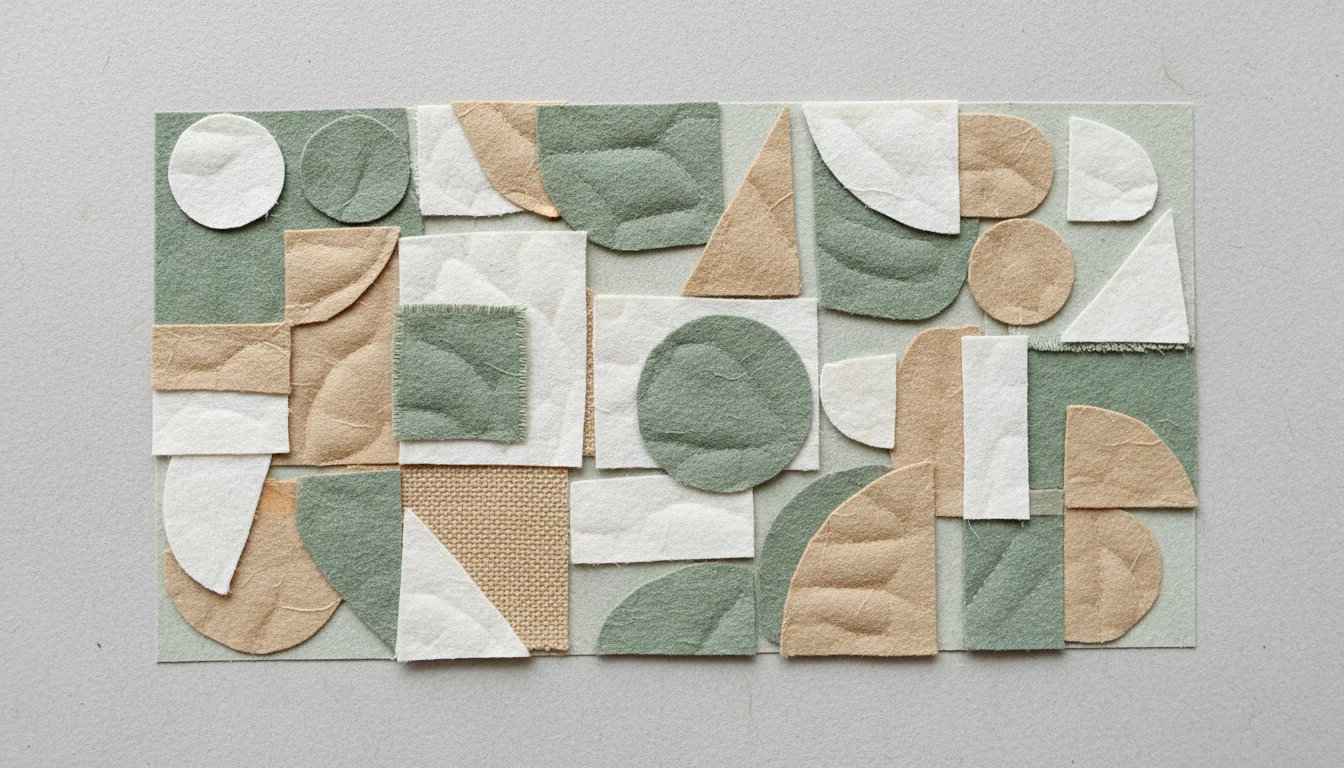
Then one Tuesday morning, scrolling through a digital design journal, she stopped on an article about BYBORRE’s new textile collection, DUNE. The pictures showed these incredible fabrics that weren’t just flat or patterned. They looked three-dimensional, with different pile heights and complex weaves that had an organic, almost random feel that made you want to reach out and touch them. The writer called the collection “a celebration of controlled imperfection,” a conscious shift away from sterile, machine-made uniformity toward something more human and tactile. That phrase, controlled imperfection, clicked for Amelia.
The Tactile Revolution: How DUNE’s Philosophy Permeated Beauty
BYBORRE, an Amsterdam-based textile studio, has always been pushing the limits of what you can do with knit. Their DUNE collection, which dropped in late 2025, was about more than just new patterns. It was an attempt to create a whole new language for fabric. In an interview for Dezeen, the founder, Borre Akkersdijk, explained that he wanted to mimic the look of natural, shifting sand dunes using engineered knit. The result was fabrics with different densities, subtle ridges, and a lived-in quality. It wasn’t about being flawless, but about being rich and engaging to the touch.
Amelia realized that this was exactly what her clients were trying to say. They didn’t want skin that looked like plastic, with no character at all. They wanted skin that felt healthy and supple, with its own subtle, natural texture. The “controlled imperfection” idea from the DUNE collection gave her a perfect way to think about this new aesthetic. It suggested that real beauty is about refining what’s already there, not trying to erase every tiny variation.
This all fits into a bigger cultural shift toward authenticity and away from the hyper-filtered look we see online. A 2026 consumer report from the trend forecasting agency WGSN pointed to “tactile luxury” as a major driver in multiple industries, saying that people were looking for products and services that engaged more than just their eyes. This focus on touch and natural feel was a direct echo of BYBORRE’s design ethos.
Translating Textile Innovation to Skin Care
This got Amelia re-evaluating her whole approach. For years, the main goal had been the smoothest finish possible, which usually meant zero stubble for as long as you could manage. Now, she started thinking of the waxing process as a complete skin conditioning treatment. How could she get a “DUNE-like” effect on skin? Not literally, obviously, but in spirit.
Her first move was to put way more focus on the skin’s condition *after* the wax. That led her to double down on smooth skin aftercare. She started researching product formulas that were all about deep hydration, skin barrier repair, and gentle exfoliation, aiming for skin that felt resilient and soft, not just bare. She looked for ingredients like ceramides and hyaluronic acid that are known to help the skin function healthily, instead of just providing a slick surface feel.
Smooth skin that lasts, the easy way
Expert waxing that leaves you smooth for weeks. Find a top-rated studio near you.
Find a Wax Center Near You →Managing post-wax sensitivity was a big piece of the puzzle. Even though hard wax helps minimize discomfort, the skin still needs a lot of care to prevent irritation and ingrowns. Amelia began using a cooling, anti-inflammatory serum right after every wax, something she used to only offer as an optional add-on. This serum, full of natural botanicals, calmed the skin and helped it get back to its happy, healthy state much faster.
The Art of “Controlled Irregularity” in Waxing
This idea of “controlled irregularity” even changed how she did her pre-wax consultations. Instead of just asking about skin sensitivity, she started asking clients how they wanted their skin to *feel*. Did they want that almost glassy-smooth finish, or something more naturally supple? This let her customize the service, maybe by recommending a different post-wax routine or tweaking her technique to protect the skin’s health.
For clients asking for that “natural refinement,” for instance, Amelia would recommend gentle exfoliation a few days before their appointment and then really drive home the importance of moisturizing afterward. She explained that prepping the skin this way helps it handle the wax with less trauma, which in turn promotes a healthier, more even texture as the hair eventually grows back. The point wasn’t to fight the hair growth cycle, but to work with it to keep the skin in great shape.
This approach delivers perfect hair removal while also elevating the overall skin condition. A lot of people think waxing is just about the hair, but it’s really about the skin and how the process impacts its health and appearance. If you ignore the skin’s texture and condition, you’re missing a huge part of what makes the service valuable.
Advanced Techniques and Product Innovation
BYBORRE’s obsession with material science got Amelia thinking, so she started exploring new developments in waxing products. She sought out waxes made for sensitive skin, ones with conditioning ingredients, and formulas that stick to hair better than skin to reduce pulling and irritation. This meant moving on from some old-school waxes to newer types that offer fantastic flexibility and grip, even on fine hair, which is one of the key hard wax benefits for gentle skin.
She also brought in professional-grade LED light therapy devices for her post-wax treatments. While not part of the wax itself, these tools (often used in dermatology offices) reduce redness and speed up healing, which helps achieve that healthy, “DUNE-like” skin texture. Bringing in tech like this shows how the beauty industry is blending advanced tools with traditional services to get better results and make clients more comfortable.
The entire focus shifted from just getting rid of hair to actually nurturing the skin. Amelia found that when she framed the service around skin health and texture, her clients were way more engaged and they finally understood why consistent aftercare was so important. They weren’t just paying for a quick service. They were investing in a feeling, a tactile experience that felt as sophisticated as the fabrics they were seeing in high-end design.
This gets to a really important point for any beauty pro: ideas from completely unrelated fields can give you huge clues about where your clients’ heads are at. The vocabulary of texture and sensory experience, coming from design houses like BYBORRE, gives us a new way to look at our own services. It’s about redefining “beauty” to include the quality of touch and natural health, giving it just as much importance as visual perfection.
The Resolution: A Studio Transformed
By the end of 2026, the difference at “The Silken Skin Studio” was obvious. Client satisfaction and repeat bookings were way up. People loved the more thoughtful approach and could see and feel the improvement in their skin’s health. Amelia had taken the abstract idea of “controlled irregularity” from a textile collection and turned it into a concrete, client-focused service. Her studio was now known for delivering skin that felt genuinely luxurious and naturally refined, not just for being good at hair removal.
She even updated the studio’s decor, bringing in more natural textures with soft, layered lighting to create an atmosphere that subtly reflected the tactile richness of the DUNE fabrics. It was a small change, but clients definitely noticed, often commenting on how calming and sophisticated the space felt.
This strange link between high-fashion textiles and a local waxing studio shows how inspiration can come from anywhere. If you look past your direct competitors and tune into broader shifts in design and culture, you can find new ways to give clients what they want. The future of beauty is as much about how things feel as how they look.
It’s a clear signal for any of us in the beauty business: stay curious and be open to finding inspiration in weird places. The next big thing your clients will be asking for might be starting in a textile lab or on a fashion runway right now.
How can textile design influence beauty trends?
Textile design often kicks off broader aesthetic trends by creating new ideas about texture, pattern, and how materials feel. The beauty industry then picks up on these concepts, which shapes everything from new product development to the techniques we use and the results we aim for with skin and hair.
What does “controlled irregularity” mean in the context of beauty?
In beauty, “controlled irregularity” is an aesthetic that prefers a natural, healthy skin texture over a perfectly uniform or artificial-looking one. It’s about working with the skin’s inherent qualities and subtle variations instead of trying to erase every imperfection for a sterile finish.
How can a waxing studio incorporate design-inspired principles?
A waxing studio can do this by focusing on the total client experience, not just the hair removal. This means emphasizing skin health and texture, using advanced products and techniques that promote a natural look and feel, and providing tailored aftercare and pre-wax prep. Even the studio’s environment can reflect a design-forward aesthetic.
Are there specific waxing products or techniques that align with a “tactile luxury” approach?
Yes. Flexible, polymer-based hard waxes that don’t pull on the skin are a perfect fit. Aftercare products loaded with ingredients like ceramides or hyaluronic acid also support this approach. Any technique that prioritizes a gentle touch and finishes with deep skin conditioning aligns with a “tactile luxury” philosophy because it focuses on how the skin feels and functions.
Why is it important for beauty professionals to understand cross-industry design influences?
Watching design influences from other industries helps you see what’s coming next in client preferences. It gives you a chance to innovate your services and stand out from the competition by connecting with bigger cultural ideas about aesthetics. In the end, this leads to happier clients who feel like you’re ahead of the curve.


