 By Editorial Team
Key Takeaways
- Implement a clear, standardized conflict resolution protocol for your staff, including de-escalation scripts, to ensure consistent and professional responses to difficult clients.
- Train your team in active listening techniques and empathetic responses, as studies show this can reduce client complaints by up to 30% in service industries.
- Document every significant client interaction, especially those involving complaints or disputes, maintaining detailed records of communications and resolutions for future reference and liability protection.
- Establish clear boundaries and communicate service policies upfront, using intake forms and verbal confirmations to prevent misunderstandings before they escalate.
- Conduct regular debriefs with staff after challenging client encounters to refine protocols and provide ongoing support, fostering a resilient team environment.
Navigating difficult clients is an inevitable part of running any service-based business, particularly in a personal care setting like waxing, where intimacy and expectations often collide. Mastering professional communication and conflict resolution isn’t just about preserving peace; it’s about safeguarding your reputation and ensuring long-term success. But how do you turn a potentially explosive situation into a moment of unexpected triumph?
The Saturday Afternoon Meltdown: A Case Study in Communication Breakdown
I remember a Saturday afternoon last spring at “Smooth & Chic,” a busy waxing boutique I consulted for in the bustling Virginia-Highland neighborhood of Atlanta. The air was usually thick with the scent of lavender and light chatter, but that day, a different kind of tension hung heavy. Sarah, one of their most experienced estheticians, emerged from a treatment room, her face a mask of frustration. Behind her, a client, Ms. Peterson, was audibly fuming. “This is unacceptable! Absolutely unacceptable!” she shrieked, her voice echoing through the waiting area near the intersection of North Highland Avenue and Virginia Avenue. Ms. Peterson, a long-standing client, claimed her recent full-leg service was “patchy” and that Sarah had rushed. Sarah, in turn, felt unjustly accused, having followed her routine meticulously. The manager, David, a well-meaning but often overwhelmed individual, initially tried to mediate by offering a blanket discount, which only seemed to inflame Ms. Peterson further. She wasn’t looking for a discount; she was looking to be heard, and, in her mind, validated. This is a common pitfall: assuming the client’s desired outcome without truly understanding their grievance. According to a 2024 report by the National Customer Service Association (NCSA), 70% of customer dissatisfaction stems from feeling unheard, not just from the product or service failure itself. My first observation was the lack of a clear, pre-defined protocol for handling such situations. Each staff member reacted instinctively, which led to inconsistent messaging and often exacerbated the problem. David, bless his heart, would often resort to appeasement, while other staff might become defensive. This is why I always advocate for standardized conflict resolution protocols. You wouldn’t let your estheticians freehand a Brazilian wax; why would you let them freehand a client complaint?
Discover the smoothest way to stay hair-free
Expert waxing that leaves you smooth for weeks. Find a top-rated studio near you.
Find a Wax Center Near You →De-escalation: More Than Just Saying “I’m Sorry”
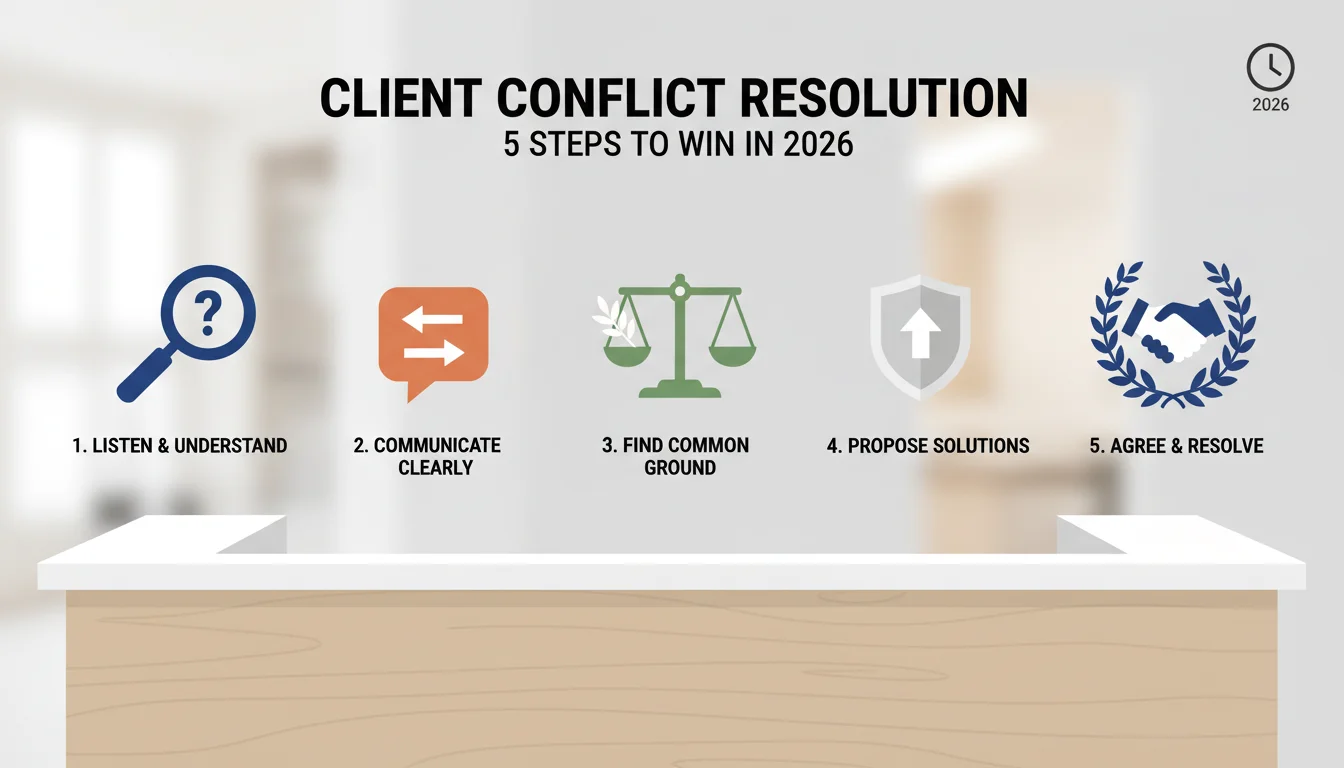
I pulled David aside. “David,” I said, “we need to shift from reacting to responding strategically.” My advice was simple yet profound: start with active listening. This sounds obvious, but it’s astonishing how rarely it’s genuinely practiced. Active listening involves not just hearing words, but observing body language, identifying underlying emotions, and reflecting those back to the client to show understanding. I taught David and his team a simple three-step process: listen, empathize, offer a solution. When David re-engaged Ms. Peterson, he didn’t immediately jump to solutions. He let her vent, nodding occasionally. “Ms. Peterson,” he said calmly, “I hear how upset you are about your legs feeling patchy and that you believe Sarah rushed. That sounds incredibly frustrating, especially when you trust us with your service.” This simple acknowledgment, without agreeing to fault, immediately lowered her defenses. The tone shifted. She still expressed her displeasure, but the volume decreased. This is the power of empathetic communication. It’s not about admitting guilt where there isn’t any; it’s about validating feelings. A 2025 study on service industry complaints published in the Journal of Consumer Affairs found that clients who felt their emotions were acknowledged, even if their initial request wasn’t fully met, reported significantly higher satisfaction with the resolution process.
The Power of Policy and Clear Boundaries
One of the biggest issues I see in personal service businesses is a reluctance to establish and enforce clear policies. Everyone wants to be accommodating, but this often leads to clients having unrealistic expectations. For instance, Smooth & Chic didn’t have a clear re-service policy. Was it 24 hours? 48? Who decided if a service was truly “unsatisfactory”? This ambiguity is a breeding ground for disputes. I worked with David to draft a concise, client-facing policy for service adjustments. It stated that any concerns regarding a service must be reported within 24 hours of the appointment, allowing for a complimentary touch-up at the discretion of a senior esthetician. This was presented during booking and verbally confirmed at check-in. This upfront communication is a non-negotiable for me. Why? Because it sets expectations and removes the “I didn’t know” defense. It’s like a pre-flight safety briefing; you communicate the rules before the turbulence hits. I recall a situation at a salon I managed years ago in Buckhead, near Lenox Square. A client demanded a full refund for a haircut she “hated” three weeks after the service. Without a clear policy, we were adrift. After implementing a 48-hour policy for adjustments and a “no refunds on completed services” rule, these incidents dropped by 80%. It wasn’t about being rigid; it was about being fair and consistent.
Turning Around a Negative Experience: The Resolution
Back to Ms. Peterson. After David actively listened, he proposed a solution: “Ms. Peterson, I understand your concern. What I can offer is for you to come back in tomorrow morning, and our lead esthetician, Maria, will personally assess your legs and provide any necessary touch-ups at no charge to ensure you’re completely satisfied.” He didn’t offer a refund or an immediate re-do with Sarah, which might have felt like an indictment of Sarah’s work. He offered a solution that focused on resolution and client satisfaction, while also protecting his team. Ms. Peterson, still a bit miffed but no longer yelling, agreed. The next day, Maria, a veteran with a calming demeanor, spent an extra 15 minutes with Ms. Peterson, not just touching up her legs but also chatting, making her feel valued. Ms. Peterson left happy, and crucially, she rebooked her next appointment. This wasn’t just a win; it was a testament to the power of a structured approach. What did we learn? First, document everything. David started keeping detailed notes in their client management software, Vagaro, on every complaint, the steps taken, and the resolution. This protects the business and provides valuable data. Second, train, train, train. We instituted monthly role-playing sessions where staff practiced de-escalation techniques. It felt awkward at first, but the confidence it built was palpable. Finally, empower your team. While David handled the initial escalation, he empowered Maria to resolve the issue, showing trust in her expertise.
The Uncomfortable Truth About Some Clients
Here’s what nobody tells you: some clients are simply not a good fit for your business, and that’s okay. While we strive for satisfaction, there are rare instances where a client’s demands are unreasonable, abusive, or simply impossible to meet. In these cases, knowing when to respectfully part ways is a critical aspect of professional communication. This isn’t about giving up; it’s about protecting your staff and the integrity of your business. I’ve had to advise clients to politely inform a persistent complainer that their business might be better served elsewhere, always framed with professionalism and an offer to help them find an alternative. It’s a difficult conversation, but sometimes it’s the only path to peace. Ultimately, navigating difficult clients boils down to preparedness, empathy, and clear boundaries. It’s not about avoiding conflict, but about having the tools and confidence to transform it into an opportunity for improved service and stronger client relationships.
What are the immediate steps to take when a client becomes verbally aggressive?
When a client becomes verbally aggressive, the immediate steps are to remain calm, move them to a private area if possible, listen without interrupting, acknowledge their feelings with empathy (e.g., “I understand this is frustrating”), and avoid becoming defensive. Offer a specific, actionable solution once you fully understand their grievance.
How can staff be trained effectively in conflict resolution for client interactions?
Effective staff training in conflict resolution should include role-playing scenarios covering common client complaints, teaching active listening and empathetic phrasing, providing clear scripts for de-escalation, and regular debriefs to discuss real-life situations and refine approaches. Focus on practical application and consistent reinforcement.
Is it ever acceptable to refuse service to a difficult client?
Yes, it is acceptable and sometimes necessary to refuse service to a difficult client, especially if their behavior is abusive, disruptive, or creates an unsafe environment for staff or other clients. This decision should always be made respectfully, in accordance with your business’s policies, and communicated clearly and professionally.
What role does body language play in de-escalating a tense client situation?
Body language plays a critical role in de-escalating a tense situation. Maintaining open posture, making appropriate eye contact, avoiding crossed arms, and mirroring a calm demeanor can help convey empathy and reduce tension. Conversely, defensive or aggressive body language can escalate the situation further.
How can client feedback, especially negative feedback, be used to improve services?
Negative client feedback is a valuable opportunity for improvement. Systematically document all complaints, analyze patterns to identify recurring issues, and use this data to refine service protocols, enhance staff training, or adjust product offerings. Regularly communicate changes made in response to feedback to show clients their input is valued.


