 By Editorial Team
Key Takeaways
- Before we even think about wax, we do a detailed skin analysis, often with a mag lamp, to spot things like dehydration, dark spots, or sensitivity.
- Knowing your Fitzpatrick skin type, a scale for how skin handles the sun, helps us predict how you might react to waxing and choose the right products for you.
- Good pre-wax prep, which includes a proper cleanse and skin check, seriously cuts down the risk of irritation or ingrown hairs later.
- The post-waxing advice we give is specific to your skin’s needs, which we figure out during that initial assessment, focusing on soothing, hydrating, and stopping problems before they start.
- Coming in for regular appointments lets us adjust your waxing service as your skin changes with the seasons, age, or your lifestyle.
Professional hair removal is so much more than just yanking out hair. It all starts with looking at the skin we’re about to work on. A good skin analysis waxing is the foundation of any decent service, making sure it works well and you’re comfortable. An esthetician assessment is a diagnostic process where our trained eyes read the little signals your skin gives off, from its deep-down hydration to how easily it gets irritated. When we understand those details, we can customize the service, making it a genuinely beneficial treatment for your skin. This first look, where we identify your specific skin types and any present conditions, is what lets us get you the best results with fewer problems.
The Esthetician’s Diagnostic Eye: What We Actually See
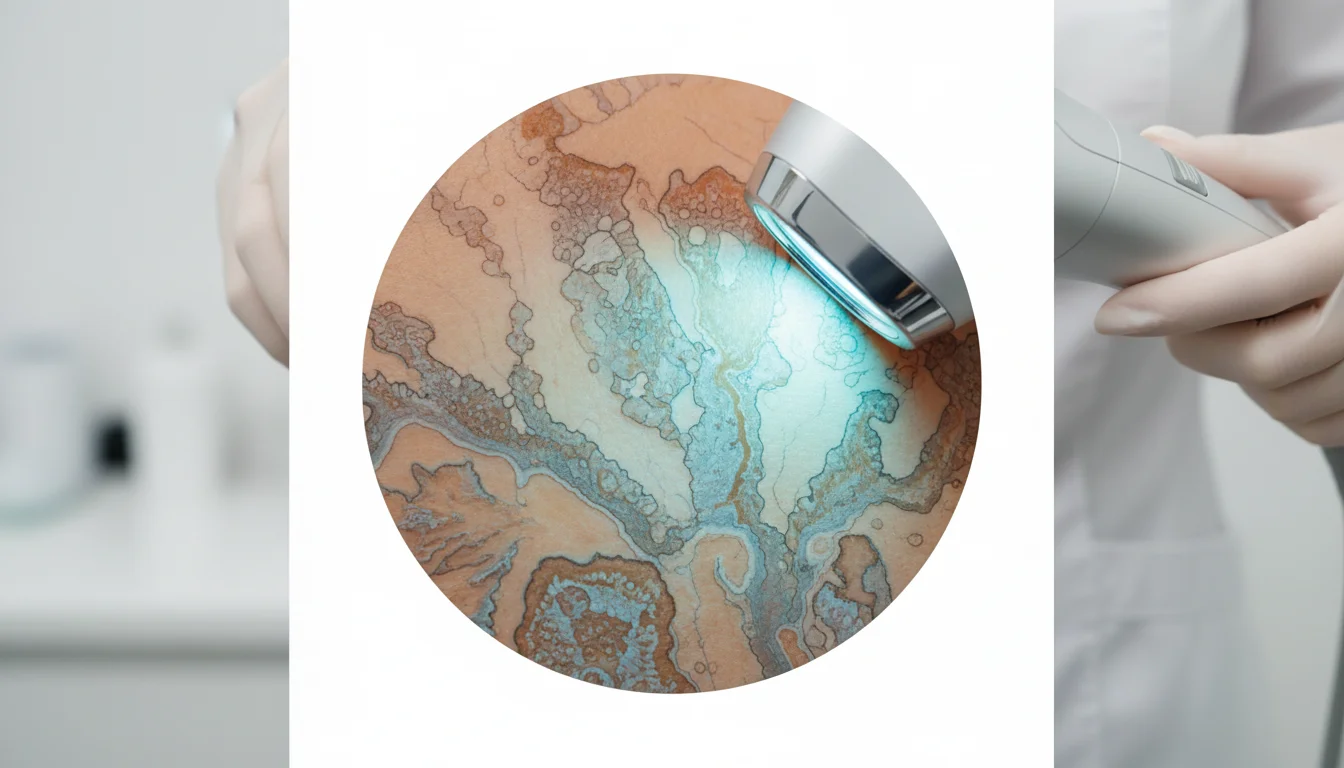
Before any wax even gets warm, a good esthetician is already playing detective. We’re looking past what you see in the mirror and interpreting a whole set of indicators. It usually starts with a chat where we’ll ask about your skin’s history, any allergies, medications you’re on, and what you’re using at home. All that information gives us a starting point. Then comes the real look, where we’ll use a magnifying lamp to get a super-detailed view of your skin’s texture, your pore size, and any issues that you can’t see with the naked eye.
For example, we’re looking for signs of dehydration, which can show up as fine lines or a dull, flaky look. Dehydrated skin can be way more sensitive during a wax, so it needs the right pre-treatment. We’re also spotting any areas of hyperpigmentation, old scars, or active acne. We should never apply wax over broken or compromised skin, so finding these spots prevents us from causing more irritation or even an infection. Seeing a pattern of ingrown hairs from your last hair removal attempt also tells us exactly what to recommend for exfoliation and aftercare. This whole process is about optimizing the outcome for smoother results and healthier skin in the long run.
Decoding Your Skin Type and Condition
You have to know the difference between a skin *type* and a skin *condition* to wax effectively. Your skin type is what you were born with. It’s genetic and mostly stays the same, though it can shift with age and hormones. We generally talk about four primary types: normal, oily, dry, and combination. Each one needs a slightly different approach. Oily skin, for instance, might need a more aggressive cleanse before wax will even stick, while dry skin will thank you for extra hydration and calming products. A good esti will see these things and immediately adjust their technique and the products they grab.
Discover the smoothest way to stay hair-free
Expert waxing that leaves you smooth for weeks. Find a top-rated studio near you.
Find a Wax Center Near You →Skin conditions, on the other hand, are often temporary and can be triggered by your environment, diet, stress, or the products you’re using. Think sensitivity, acne, rosacea, and sun damage. A sensitive skin condition, no matter what your base skin type is, requires a much gentler hand and specific waxes made to reduce irritation. We also use the Fitzpatrick scale, a system developed back in 1975 by Dr. Thomas B. Fitzpatrick, which classifies skin based on how it reacts to UV light. The American Academy of Dermatology points out how this scale, which runs from Type I (super fair, always burns) to Type VI (deeply pigmented, never burns), helps us anticipate if a client might be prone to hyperpigmentation after waxing. A client with Type IV skin, for example, is more likely to see dark spots after inflammation than a Type II, so we’d push different aftercare to prevent that. This is just informed decision-making, not a shot in the dark.
Preparing for a Smooth Experience: Pre-Waxing Protocols
Everything we learn in that initial skin analysis dictates how we prep your skin. This prep stage is key for getting the hair out cleanly while protecting your skin. We always start with a deep cleanse to get rid of any makeup, body lotion, or oil that would get in the way of the wax or introduce bacteria. A clean surface is non-negotiable for hygiene and for the wax to work.
After cleansing, we might use a pre-wax toner with something like witch hazel or tea tree oil to really purify the skin. If you have really oily skin, we might use a light dusting of pre-wax powder to soak up that extra moisture so the wax grabs the hair instead of your skin. For drier or more sensitive clients, a pre-wax oil is a better bet. It creates a protective barrier for the skin but still lets the wax grab the hair. This customized prep, based on what we saw in the assessment, is a big reason why pro waxing gets you better results than doing it yourself. There’s even research in places like the Journal of Clinical and Aesthetic Dermatology about how a healthy skin barrier prevents problems after procedures, which just confirms why these prep steps matter so much.
Post-Waxing Care: Tailored for Your Skin’s Needs
The service isn’t over when the last strip comes off. Post-waxing care is just as important as the prep, and it’s completely customized based on how your skin reacted and what we saw in the initial analysis. Right after we’re done, we’ll apply a soothing product like an aloe vera gel or a calming oil to bring down any redness and inflammation. If we know your skin is prone to sensitivity, we’ll grab a product with anti-inflammatory ingredients like chamomile or calendula.
We’ll also send you home with specific instructions. If you’re someone who gets a lot of ingrowns, we’ll talk about exfoliation, maybe a gentle scrub or a chemical exfoliant with salicylic acid, but only starting a few days after your appointment. Everyone needs to hydrate, but the kind of moisturizer changes. Oily skin gets a light, non-comedogenic lotion, while dry skin needs a richer cream. And we always recommend sun protection on freshly waxed skin, since those new skin cells are much more likely to get damaged by UV rays. If you blow off this custom advice, you’re setting yourself up for breakouts or irritation, which defeats the purpose of getting a professional wax. I’ve seen firsthand how a client who actually follows their post-care instructions gets dramatically better, longer-lasting results. It just proves that consistent, informed care actually works.
The Evolution of Your Skin and the Esthetician’s Role
Your skin is always changing. It’s affected by your age, hormones, the seasons, and your lifestyle. The routine that worked for you five years ago probably isn’t the best fit today. Because your skin is always in flux, we have to re-analyze it regularly and adjust your waxing routine. It’s essential.
At every appointment, we’re re-assessing your skin, looking for any new changes in texture, bounce, or sensitivity. Did you move to a drier place? Start a new medication? These things matter, and they can change how your skin handles a wax. We might switch you to a different type of wax, add a new pre- or post-care product to your lineup, or even suggest other treatments to help with a new concern. This constant checking and tweaking is what keeps your wax safe and effective, giving you consistent results every time. That back-and-forth between you and your esti is so important for a proactive approach to your skin’s health that goes way beyond the 30 minutes you’re on the table.
A proper skin analysis turns waxing from a basic grooming task into a service that’s actually focused on your skin’s health. When we understand your specific skin, we can head off problems before they start and help you maintain healthy skin. Trusting your esti’s expertise just leads to a better, more comfortable experience.
Why is a skin analysis important before waxing?
It allows an esthetician to see your specific skin type and any issues like sensitivity, dehydration, or acne. This knowledge helps us choose the right wax and products and give you the right aftercare advice, all to prevent irritation and give you a safer, better wax.
What specific tools does an esthetician use for skin analysis?
We mainly use a magnifying lamp for a really close-up look at the skin’s surface, which helps us see pore size, texture, and other small details. We also just use our trained eyes and hands to feel the skin’s elasticity and hydration levels.
How does my Fitzpatrick skin type affect my waxing experience?
Your Fitzpatrick type helps us predict how your skin might react, especially its tendency to develop post-inflammatory hyperpigmentation (dark spots) after a wax. Knowing this lets us recommend the right aftercare, like being extra careful with sun protection, to prevent any discoloration.
Can an esthetician refuse to wax certain areas based on their assessment?
Absolutely. A professional will refuse to wax over areas with contraindications like sunburn, open sores, active infections, or severe acne. We also can’t wax you if you’re on certain skin-thinning medications like retinoids. It’s always about protecting your skin’s health.
What should I tell my esthetician during the skin analysis consultation?
Be totally open. Tell us about any allergies, all medications you’re taking (especially things like Accutane, topical retinoids, or antibiotics), any recent sun exposure, and what you use on your skin at home. The more we know, the safer and better your service will be.


