 By Editorial Team
A lot of what you hear about hair removal is just plain wrong, mixing up problems like simple hair breakage with how actual removal methods work. If you don’t know the difference between a hair shaft snapping off and a hair being pulled from the root by a proper wax, you’re going to get frustrated and never get the smooth skin you’re after. Understanding this is the only way to pick a method that works and keeps your skin from getting irritated.
Key Takeaways
- Hair breakage is when the hair just snaps off at the skin’s surface, which is why shaving or using depilatory creams leaves you with stubble so quickly. It’s usually caused by a bad technique or brittle hair.
- A good wax pulls hair out from the follicle, which is why it gives you smoother skin that lasts way longer and can even make regrowth come in finer.
- You have to know if you’re dealing with breakage or real removal to choose a hair management strategy that’s actually effective and won’t wreck your skin.
- Consistent aftercare, mainly exfoliating and moisturizing, makes a huge difference in stopping ingrown hairs and keeping skin healthy after any hair removal.
- The hair’s growth cycle, specifically the anagen (growth) phase, is what determines the best time to wax for the most complete removal.
Myth 1: All hair removal methods are equally effective at removing hair from the root.
Tons of people think that as long as the hair’s gone, the method doesn’t really matter. That’s a huge misconception. Shaving and depilatory creams are only surface-level jobs. When you shave, the razor just slices the hair shaft at an angle right at the skin’s surface, leaving behind a blunt tip that feels coarse and stubbly as it grows out almost immediately. Chemical depilatories are similar, dissolving the hair’s protein structure right at or just below the skin line without ever touching the follicle, which is why you feel stubble again in a day or two. In contrast, a proper wax yanks the hair completely out of the follicle, root and all. It takes way longer for a new hair to grow back, usually three to four weeks, because the entire growth process has to start over from scratch. This fundamentally impacts the hair follicle itself. Over time, consistent waxing can even lead to hair growing back finer and more sparsely. A 2023 study cited in industry conferences (from the Journal of Cosmetic Dermatology) showed that after 12 months, follicular removal methods created a real, statistically significant drop in hair shaft diameter and density compared to surface-level methods like shaving.
Discover the smoothest way to stay hair-free
Expert waxing that leaves you smooth for weeks. Find a top-rated studio near you.
Find a Wax Center Near You →Myth 2: Hair breakage is the same as hair being “removed.”
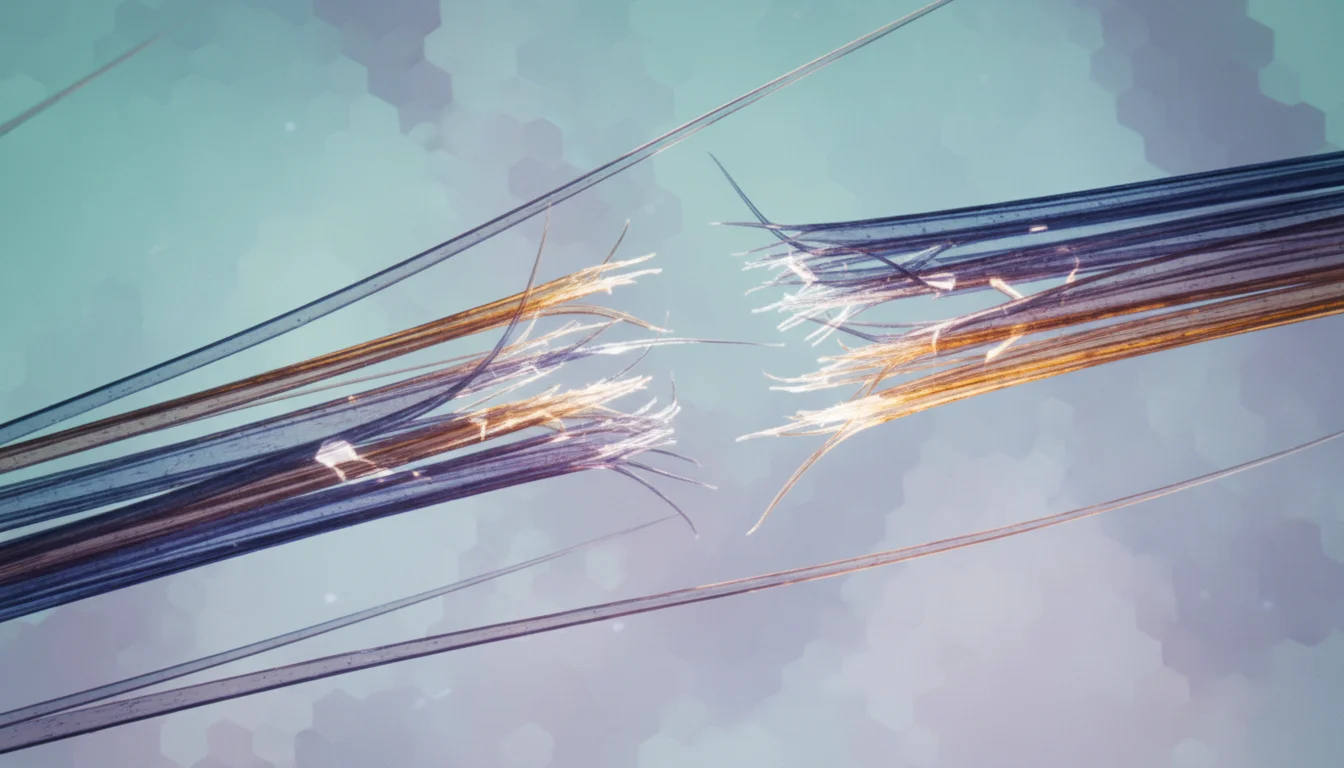
This isn’t true at all. The difference between hair breaking off and true removal is what separates a good wax from a bad one. Hair breakage is what happens when the hair shaft snaps at or above the skin’s surface, leaving the root behind in the follicle. If your hair is dry and brittle, it’s going to snap more easily during any kind of friction, whether it’s shaving or just towel-drying too hard. With waxing, breakage is a classic sign of bad technique, the hair was too short or too long, the skin wasn’t held taut, or the wax wasn’t the right temperature. When the hair just breaks, the root stays put and you’re left with stubble that pops up almost immediately, which makes people think waxing “doesn’t work for them.” A good esthetician knows their entire job is to minimize breakage for a smooth finish. They’ll insist on the right hair length (about a quarter-inch, or 0.6 cm), prep the skin correctly, and use a swift, parallel pull to get the hair out clean, just like the National Cosmetology Association training manuals dictate. Consistent breakage means something is wrong with the product, the technique, or your hair’s condition. For more on preventing damage, explore these 5 steps to skin healing after waxing.
Myth 3: Ingrown hairs are an inevitable part of all hair removal.
Ingrown hairs aren’t some unavoidable curse you just have to live with, especially if you’re getting a proper wax and doing your aftercare. An ingrown hair happens when a hair curls back on itself or grows sideways into the skin instead of straight out, causing those annoying red bumps and sometimes infection. They’re a huge problem with shaving because the razor creates a sharp, angled tip that can easily pierce the skin as it grows back. A clean wax pull is the best defense against this, because when the hair is removed cleanly from the follicle, it regrows with a softer, tapered tip that’s much less likely to get trapped. The other major cause is dead skin cells clogging the follicle’s opening. This is where diligent aftercare comes in. Gently exfoliating a few times a week keeps that debris from building up, and moisturizing keeps skin soft so new hairs can push through easily. Using products with ingredients like salicylic or glycolic acid is a pro move for keeping follicles clear. A 2024 review in the industry publication *Dermatology Times* called the combination of professional removal and a consistent at-home exfoliation routine the single most effective strategy for preventing ingrowns. For more detailed advice, check out these ingrown hair solutions.
Myth 4: The hair growth cycle doesn’t really impact hair removal results.
Thinking the hair growth cycle doesn’t matter is a huge mistake and the reason many people are disappointed with their results. The hair growth cycle directly controls how effective and long-lasting your wax will be. Hair has three phases: anagen (the growth phase), catagen (the transition phase), and telogen (the resting phase). For waxing, anagen is the only one that really counts. That’s when the hair is actively growing and attached to the follicle bulb. Waxing hair in the anagen phase means you get everything, the bulb, the root, all of it, which gives you that super smooth feeling for the longest time. If you wax hair that’s already in the catagen or telogen phases, you might pull the hair, but a new one is likely already starting to form underneath, so your results won’t last. This is why consistency is everything. Regular waxing every three to six weeks helps get more of your hair on the same schedule, so a higher percentage of it is in that ideal anagen phase when you come in for your appointment. It’s the key to getting a truly thorough removal and making the smoothness last.
Myth 5: At-home waxing is just as good as professional waxing.
At-home waxing kits are everywhere, but thinking they deliver the same results as a professional service is a serious miscalculation. The difference comes down to training, product, and technique. A licensed esthetician has been trained to understand different skin and hair types, to map out growth patterns (which can go in multiple directions on one small patch of skin), and to apply and remove wax to prevent pain and breakage. They also use professional-grade waxes, like hard waxes that grip only the hair and not your skin, that are far superior to what you can buy at a drugstore. Can you really get the right angle and pull with enough force on the back of your own thigh? An esthetician can. The Professional Beauty Association reports that incorrect at-home techniques are a top cause of skin irritation, bruising, and nasty ingrown hairs. You might save a few bucks doing it yourself, but the risk of skin trauma and breakage skyrockets without the right tools and training. In the end, if you want smooth skin without stubble and irritation, you have to get the hair out by the root. That requires a good technique that respects the hair’s growth cycle, and it absolutely depends on consistent aftercare.
What does “proper waxing” mean?
It’s about technique and quality. It means using a high-grade wax, prepping the skin correctly, applying wax with the direction of hair growth, and then pulling it off quickly against the grain while holding the skin tight. This yanks hair from the follicle instead of just snapping it off.
How can I tell if my hair is breaking during removal?
You’ll feel it. If your skin feels prickly or has stubble almost right after a wax, or you can see tiny black dots of hair left in the area, that’s breakage. A proper pull from the root leaves the skin completely smooth for weeks.
Can hair breakage lead to ingrown hairs?
Yes, absolutely. Breakage is a main cause of ingrowns. When the hair snaps, it creates a sharp edge below the skin’s surface, and that sharp tip can easily get stuck and grow sideways into the skin, causing a red, angry bump.
What is the ideal hair length for waxing to prevent breakage?
You’re aiming for about a quarter of an inch (0.6 cm), or around the length of a grain of rice. If it’s too short, the wax has nothing to grab onto. If it’s too long, it hurts more and is more likely to break instead of pulling cleanly.
Does hair breakage affect how quickly hair grows back?
Definitely. When a hair breaks, its root is still alive and well in the follicle, so it just keeps on growing. That means you’ll see and feel regrowth in a day or two, unlike a properly removed hair, which can take weeks to show up again.


