 By Editorial Team
Key Takeaways
- Sticking to a 3-to-4-week schedule for your Brazilian is what gets you smoother results and makes hair grow back thinner over time.
- How you prep your skin before you go in, think gentle exfoliation and skipping harsh products, makes a huge difference in pain levels and preventing ingrowns.
- Your aftercare routine (soothing balms, loose clothes, no saunas) is non-negotiable for calming skin down and keeping things smooth after your appointment.
- A good esthetician reads your specific hair growth and skin sensitivity, changing up their technique to give you a better, more comfortable wax every time.
- Talk to your esthetician about problems like sensitivity or ingrowns so they can give you personalized tips and tweak your waxing plan.
The point of a monthly Brazilian is to commit to a long-game strategy for healthier skin and way less hair growth. A lot of people new to waxing just book appointments whenever, but the real payoff only comes when you’re consistent. This is a breakdown of the pro-level strategies and knowledge you need to get your waxing routine dialed in, so you get smoother skin and an easier appointment every single time.
Understanding the Hair Growth Cycle and Its Impact on Monthly Brazilian Waxing
To really get the most out of a monthly Brazilian, you have to get how your hair grows. It’s not all growing at once. It’s a cycle with three phases: anagen (growth), catagen (transition), and telogen (resting). You get the best results when the hair is yanked out during the anagen phase. That’s when the follicle is active, and pulling the hair at this point damages the follicle more effectively over time, which is what eventually leads to finer, sparser hair. If your waxing schedule is all over the place, you’re grabbing hairs at totally different stages. Some will be too short for the wax to grab, while others are in the telogen phase and were about to fall out on their own anyway. This is why you can get a patchy look soon after a wax and why your next appointment might feel more painful, the hair isn’t synced up. Sticking to a monthly schedule means we can catch more of your hair in that prime anagen phase, which gives you a much cleaner result that lasts longer. There’s real science to this. A study in the Journal of Cosmetic Dermatology (found on Wiley Online Library) confirmed that consistent hair removal that hits the anagen phase can seriously reduce hair density and thickness over 6 to 12 months. This is a cumulative effect, not some overnight fix. That’s why we recommend coming in every 3 to 4 weeks for a monthly Brazilian. This gives your hair enough time to grow to about a quarter-inch, which is the perfect length for the wax to grab onto without being so long that the pull is extra painful. Getting off this schedule, whether you wait too long or come in too early, just messes with the results. If hair’s too short, the wax can’t grip it, which means missed spots and more irritation because your esthetician has to go over the same area. Too long, and the pain factor goes way up. A pro can look at how fast your hair grows and tell you exactly what your ideal schedule should be.
Feel smooth and ready, wherever the day takes you
Gentle, expert waxing that leaves you smooth for weeks. Find a trusted studio near you.
Find a Studio Near You →Pre-Wax Preparation: Setting the Stage for a Smooth Experience
A great monthly Brazilian doesn’t just happen on the table. Your prep work beforehand is just as important. Doing the right things before you come in can seriously cut down on pain, help prevent ingrown hairs, and give you a much cleaner wax. The most important step is exfoliation. If you gently exfoliate 24 to 48 hours before your appointment, you’ll clear away the dead skin that can trap hairs, letting the wax get a better grip and reducing your chances of getting ingrowns. Use a light physical exfoliant like a sugar scrub or a chemical one with something like salicylic acid. Don’t go crazy and scrub your skin raw right before you come in. The idea is to prepare the skin, not make it angry. Hydration is also a big deal. Skin that’s well-hydrated is more flexible, which means the hair comes out with less of a fight (and less pain for you). So, drink a lot of water for a few days before your wax and moisturize the area daily. But on the actual day of your appointment, don’t slather on any thick lotions or oils. They create a film that stops the wax from sticking to the hair. What you wear matters, too. Seriously. Show up in loose, breathable cotton clothes. Anything tight, especially if it’s a synthetic material like spandex or polyester, will just rub against your freshly waxed skin, create friction, and trap sweat. That’s a recipe for irritation and bumps. A lot of clients don’t think about this, but it’s a small detail that makes a huge difference in how you feel right after. Finally, let’s talk pain. Waxing is never going to be completely painless, but you can manage it. Stay away from caffeine and alcohol right before your appointment because they can make your skin more sensitive. Some people swear by taking an ibuprofen 30 to 45 minutes before they get on the table, but you should always check with a doctor before taking any medication. Just being rested and calm helps, too. When you’re stressed or tired, your body’s perception of pain is higher.
The Esthetician’s Role: More Than Just Hair Removal
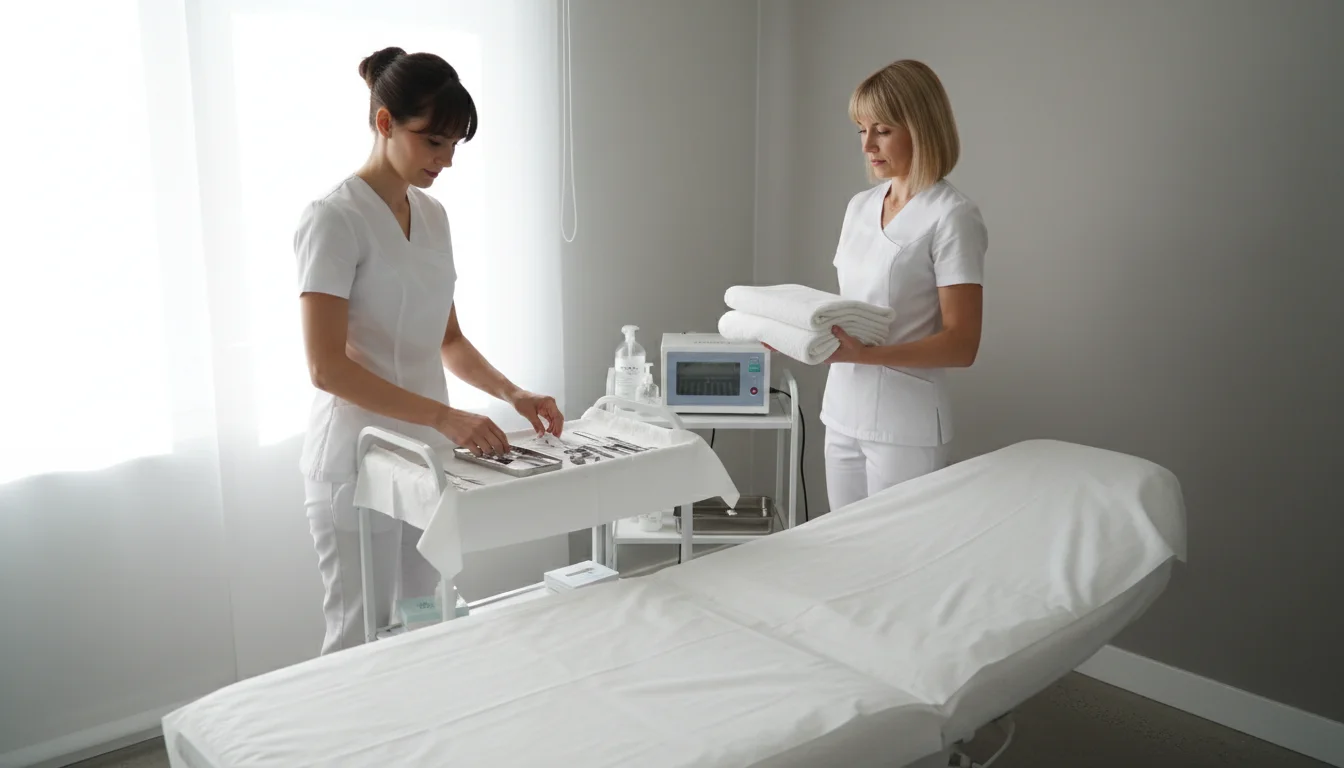
A good esthetician is your partner in this whole process. Their expertise is about a lot more than just ripping wax off. A real pro knows skin types, hair textures, and how your hair grows, so they can adjust their whole technique to get you the best results with the least amount of pain. They can spot areas that are going to be extra sensitive and change the wax temperature or how they apply it. You just can’t get that kind of personalized work from a box of wax strips at home. What kind of wax they use is a perfect example of their expertise. Any decent salon will use a high-quality hard wax for a Brazilian. Hard wax is designed to stick only to the hair and not to your skin, which makes the whole thing a lot less painful, especially for sensitive spots. It basically shrink-wraps the hair as it cools and then gets pulled off without a cloth strip. This is totally different from soft wax, which needs a strip and can pull and tug on the skin. An experienced esthetician knows exactly what wax to use for you, taking any of your allergies or skin issues into account. And their job doesn’t end when the hair is gone. They can give you so much expert waxing advice for your own routine, recommending specific aftercare products that will work for your skin and giving you real strategies to stop ingrown hairs. For instance, if you’re always getting ingrowns, they might suggest a particular serum to use at home. So, are you having any issues? You have to speak up and ask questions. They’re there to help make sure you’re comfortable and happy with the result. Plus, a professional studio operates under strict hygiene rules. All tools are sterilized and your esthetician is always wearing gloves. This basically eliminates the risk of infection you might run into with DIY waxing. That feeling of safety you get from being in a clean place with a trained professional is a huge part of the whole monthly Brazilian experience.
Post-Wax Care: Maintaining Smoothness and Preventing Issues
Your job isn’t done when you hop off the waxing table. Your aftercare routine is what keeps your skin smooth, prevents problems like ingrowns and irritation, and makes the results of your wax last as long as possible. Right after your Brazilian, your skin is going to be sensitive and maybe a little red. That’s totally normal. The first 24 to 48 hours are for recovery. The number one rule is to avoid anything that can irritate those open hair follicles. That means no hot baths, saunas, steam rooms, or tough workouts that make you sweat a lot. All those things can let bacteria into your pores and make any redness or irritation much worse. Take cool showers and use a gentle cleanser. For the first day, don’t use any harsh soaps or lotions with fragrance. A soothing product can really help. Look for a balm or lotion with stuff like aloe vera, chamomile, or tea tree oil, which have anti-inflammatory properties to calm the skin and stop breakouts from forming. Your esthetician can probably recommend a product they sell that they know works well. Using these soothing products for a couple of days after your wax will make you a lot more comfortable. Preventing ingrown hairs is a long-term project. After about two or three days, once the skin isn’t so tender, start gently exfoliating again. This keeps the follicles from getting clogged up and stops new hairs from getting trapped under the skin as they grow back in. Keep this up two or three times a week. And again, don’t use some super-harsh scrub that’s just going to tear up your skin. A product with salicylic acid is great for keeping pores clear. Remember the tip about loose clothing? That goes for aftercare, too. Keep wearing breathable cotton underwear and loose pants or skirts for a few days after your wax. It cuts down on friction and lets your skin breathe, which helps prevent irritation and those annoying ingrowns. If you actually stick to these aftercare steps, you’ll get so much more out of your monthly Brazilian, with skin that stays smoother longer and a better experience all around.
Addressing Common Concerns and Troubleshooting
Even if you do everything right and see a great esthetician, issues can still pop up with monthly Brazilian waxing. Knowing how to handle them keeps your routine going smoothly. Ingrown hairs are probably the number one complaint. Exfoliation is your best defense, but sometimes they happen anyway. Whatever you do, don’t pick or squeeze them. You’ll just cause an infection or a scar. Instead, put a warm compress on the spot to help open the pore, then use a special ingrown hair serum with salicylic or glycolic acid. If one gets really inflamed and painful, you should see a dermatologist. Skin sensitivity or redness that just won’t go away is another common thing. Some people just have more reactive skin. If you’re seeing a lot of redness, itching, or bumps that stick around for more than two days, you need to tell your esthetician. They might try a different kind of wax, use a pre-wax oil to protect your skin, or change your aftercare plan. Sometimes your skin is more sensitive because of hormones, so if you track your menstrual cycle, you might be able to predict when you’ll be more reactive and maybe schedule your wax for the middle of your cycle instead of right before or during your period. Patchy regrowth can be annoying, too. It usually means your hair was too short for the wax to grab. Make sure you’re letting it grow out to that quarter-inch length before coming in. If you’re always getting patchy results, talk to your esthetician about it. They may need to change their application or the type of wax they’re using. You have to remember that a monthly Brazilian is about training your hair to grow back finer and weaker over time, not just about being hair-free for a few weeks. Patience and consistency are your best friends here. Lastly, some people worry about hygiene. That’s exactly why you go to a reputable salon with licensed estheticians. As noted by the National Accrediting Commission of Career Arts and Sciences (NACCAS), licensed pros have to follow very strict sanitation rules to keep clients safe. If you ever walk into a place and feel uneasy about how clean it is, just leave. Your health is the absolute top priority.
How long should hair be for a monthly Brazilian wax?
Your hair needs to be at least a quarter-inch long. A good way to picture it is about the length of a grain of rice. That’s the minimum length the wax needs to get a good grip for a clean removal.
What causes ingrown hairs after waxing and how can I prevent them?
Ingrowns happen when a hair grows back into the skin instead of up and out, often because dead skin cells are blocking its path. The best way to prevent them is to exfoliate 24-48 hours before you wax, and then keep exfoliating gently 2-3 times a week after. Using a good, non-clogging aftercare product helps, too.
Can I get a Brazilian wax if I’m on my period?
Yes, you absolutely can get waxed on your period. Just make sure you’re wearing a fresh tampon or a menstrual cup. Be warned, though: your skin is often way more sensitive during your cycle, so it might hurt more than usual. Let your esthetician know if you’re concerned.
How often should I get a monthly Brazilian wax?
The sweet spot is every 3 to 4 weeks. This timing lines up perfectly with your hair’s growth cycle (the anagen phase), which means we can remove it more effectively. Over time, this consistency helps the hair grow back finer and sparser.
What should I avoid immediately after my Brazilian wax?
For the first 24 to 48 hours, you have to treat the area gently. That means no hot baths, saunas, swimming, or super intense workouts. You should also avoid tight clothes and any lotions or soaps with heavy fragrances. All of these can irritate your skin and lead to breakouts or even an infection.
When you treat your monthly Brazilian like a consistent regimen, with solid prep and aftercare, it becomes an investment in your skin’s health. It’s not just another appointment. By working with your hair’s natural growth cycle and the skill of a pro, you’re setting yourself up for long-term smooth skin.


