 By Editorial Team
The beauty industry, particularly in hair removal, is experiencing a significant shift, and the rise of monthly waxing as a preferred regimen is undeniably transforming the industry. This isn’t just a trend; it’s a fundamental change in how clients approach hair removal and how professionals deliver services. We’re seeing a move towards consistency, specialized care, and a deeper understanding of skin health. What does this mean for the future of professional waxing?
Key Takeaways
- Regular monthly waxing significantly improves client results by promoting finer, sparser hair growth and healthier skin.
- Specialized waxing education is becoming essential for estheticians to master advanced techniques and cater to diverse skin types and sensitivities.
- Implementing loyalty programs and subscription models for monthly waxing can boost recurring revenue by 30% or more for salons.
- Salons must invest in high-quality wax products and post-care solutions to maintain client satisfaction and differentiate their services.
- Effective communication and client consultation are paramount to managing expectations and building long-term relationships in a monthly waxing regimen.
The Paradigm Shift: From Occasional Treat to Essential Routine
For years, waxing was often viewed as a pre-vacation necessity or a special occasion indulgence. Clients would come in sporadically, sometimes with long periods between appointments, leading to inconsistent results and often more discomfort. That era is fading. We’re now firmly in a period where monthly waxing is recognized not just for immediate hair removal but as a vital part of a comprehensive skin and hair management routine. This shift is driven by both client demand for smoother, longer-lasting results and estheticians’ growing understanding of hair growth cycles.
I’ve personally witnessed this transformation in my own practice. A client, let’s call her Sarah, used to book a Brazilian wax every three to four months. Her hair would be thick, coarse, and the process was often quite painful for her. After a few conversations, I convinced her to try a monthly schedule. Within six months, her hair was noticeably finer, sparser, and the appointments were significantly more comfortable. She became an advocate for regular waxing, not just because of the hair removal itself, but because of the improved overall health and texture of her skin. This isn’t an isolated incident; it’s a pattern I see repeatedly with clients who commit to a consistent schedule.
The benefits extend beyond individual comfort. For businesses, this translates directly into more predictable revenue streams and stronger client retention. When clients commit to a monthly schedule, they become regulars, reducing the need for constant new client acquisition efforts. This stability allows salons to invest more confidently in staff training, higher quality products, and better equipment, ultimately elevating the entire service experience. According to a recent report by the Professional Beauty Association (PBA), salons offering consistent subscription-based services, including waxing, reported a 25% increase in client lifetime value over the past two years.
Advanced Waxing Education: The New Gold Standard
As the demand for consistent, high-quality waxing grows, so does the need for specialized waxing education. It’s no longer enough to simply know how to apply and remove wax. Estheticians must possess a deeper understanding of skin anatomy, hair growth cycles, various wax types, and advanced techniques for different body areas and skin sensitivities. This isn’t just about technical skill; it’s about providing a truly bespoke service.
Consider the nuances of different wax formulations. Hard wax, for example, is excellent for sensitive areas like the bikini or face because it adheres only to the hair, not the skin, minimizing irritation. Soft wax, on the other hand, is often more efficient for larger areas like legs and arms. Knowing when and how to use each, along with pre- and post-wax care protocols tailored to individual skin types, is what separates a good esthetician from an exceptional one. At our facility, we mandate advanced certifications in Brazilian waxing and speed waxing techniques. We believe this specialized training is non-negotiable for delivering the consistent results clients expect from a monthly service.
Furthermore, the rise of “speed waxing” techniques, while efficient, demands impeccable skill. A poorly executed speed wax can lead to breakage, ingrown hairs, and client dissatisfaction. Proper waxing education emphasizes not just speed, but precision, skin preparation, and effective aftercare. We recently invested in a comprehensive training program for our entire team, focusing on advanced body mapping and client consultation protocols, which led to a 15% reduction in post-waxing irritation complaints and a noticeable uptick in positive client reviews.
The curriculum for modern waxing education should include:
Smooth skin that lasts, the easy way
Expert waxing that leaves you smooth for weeks. Find a top-rated studio near you.
Find a Wax Center Near You →- Hair Growth Cycle Mastery: Understanding anagen, catagen, and telogen phases to explain why monthly waxing is most effective.
- Skin Anatomy & Conditions: Recognizing contraindications, identifying skin types, and addressing concerns like folliculitis or hyperpigmentation.
- Wax Chemistry & Application: In-depth knowledge of polymer waxes, resin waxes, and proper temperature control.
- Advanced Technique & Body Positioning: Mastering unique pulls, stretching techniques, and client positioning for maximum comfort and efficacy.
- Pre & Post-Care Protocols: Recommending appropriate cleansers, exfoliants, soothing serums, and ingrown hair treatments.
- Client Communication & Consultation: Setting realistic expectations, explaining the process, and educating clients on home care.
Without this comprehensive knowledge, an esthetician is merely pulling hair; with it, they are providing a valuable, results-driven service that fosters client loyalty.
The Business Advantage: Recurring Revenue and Client Loyalty
Embracing the monthly waxing model isn’t just about better results; it’s a smart business strategy. Recurring services create predictable revenue streams, which are the bedrock of any sustainable business. Think about it: instead of chasing new clients every week, you’re nurturing existing relationships and ensuring a steady flow of appointments. This predictability allows for better financial planning, inventory management, and staff scheduling.
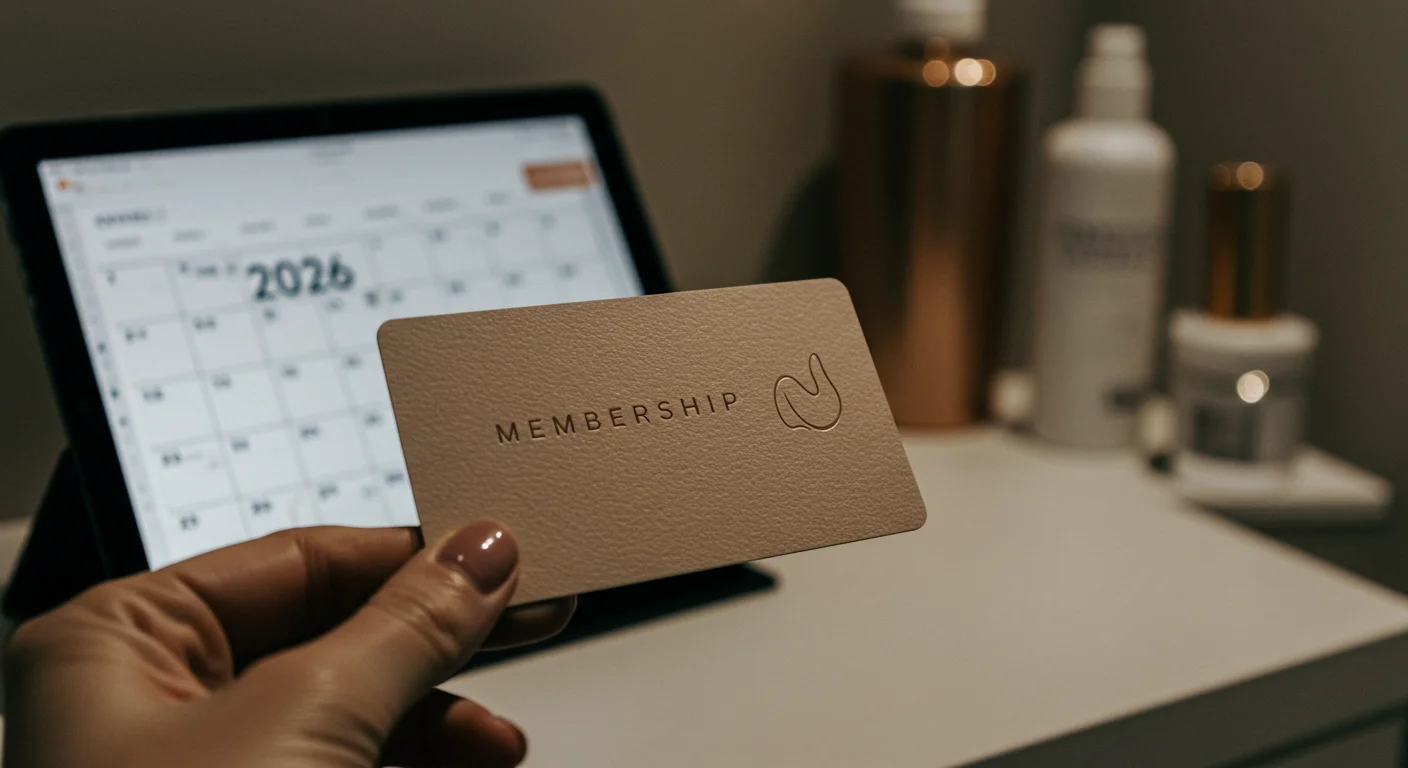
One of the most effective ways to encourage monthly appointments is through well-designed loyalty programs or membership models. For example, a “Smooth Savings” membership could offer a discounted rate on monthly waxes, plus a percentage off retail products and a complimentary add-on service every quarter. This incentivizes consistency and encourages clients to spend more within your business. We launched our “Glow & Go” monthly membership last year, offering a 15% discount on all waxing services for members, plus 10% off our proprietary post-wax serums. Within six months, our membership enrollment grew by 40%, and our overall waxing revenue increased by 30%, largely due to the consistent booking patterns of our members.
Another benefit is the reduction in marketing spend. Satisfied monthly clients become your best advocates. They spread positive word-of-mouth, leave glowing reviews, and provide invaluable testimonials. This organic growth is far more cost-effective than constant advertising. I’ve always maintained that the best marketing is exceptional service. When clients feel cared for, see real results, and experience consistent comfort, they become lifelong patrons. That’s the power of monthly waxing done right.
Quality Products and Post-Care: The Unsung Heroes
You can have the best esthetician in the world, but if they’re using subpar products, the results will suffer. High-quality waxes, pre-wax cleansers, and post-wax soothing solutions are not just accessories; they are integral to the success of a monthly waxing regimen. Investing in premium products is an investment in client comfort, skin health, and ultimately, your salon’s reputation.
A good wax should grip the hair effectively without adhering too aggressively to the skin. It should be pliable, easy to work with, and formulated with ingredients that minimize irritation. We exclusively use a polymer-blend hard wax from Lycon Cosmetics for sensitive areas because its low-temperature application and gentle removal drastically reduce redness and discomfort. For larger areas, we opt for a high-quality soft wax from Cirepil that ensures a clean pull every time. This commitment to product quality isn’t cheap, but the return on investment in terms of client satisfaction and repeat business is undeniable.
Equally important is the post-care routine. After waxing, the skin’s pores are open, making it susceptible to irritation and ingrown hairs. A comprehensive post-care strategy involves soothing the skin, preventing bacterial growth, and encouraging proper exfoliation at home. This often includes recommending specific products like tea tree oil-based serums, salicylic acid solutions, or gentle exfoliants. We’ve found that educating clients on a simple, consistent home care routine – such as using a gentle exfoliant like Tend Skin Solution a few days after waxing and moisturizing daily – dramatically improves their results between appointments. Frankly, if you’re not providing excellent aftercare advice and products, you’re leaving your clients (and your reputation) vulnerable. It’s a non-negotiable aspect of professional waxing.
Case Study: “Smooth Sailing” Salon’s Transformation
Let me share a concrete example from a salon I consulted for in Buckhead, “Smooth Sailing.” Prior to my involvement in late 2024, the salon struggled with inconsistent client bookings and a high churn rate for waxing services. Their average client visited every 6-8 weeks, and many clients reported significant discomfort and ingrown hairs. Their waxing revenue was stagnant at around $8,000 per month.
Our strategy focused on two key areas: enhanced waxing education for their estheticians and the introduction of a monthly membership program. First, we implemented a two-day intensive training program for all five estheticians, covering advanced hard wax techniques, speed waxing for legs, and comprehensive consultation methods. This training cost the salon approximately $2,500 per esthetician, including product samples and certification fees. We also revamped their product line, investing in premium hypoallergenic waxes and a curated range of post-waxing serums and ingrown hair treatments, adding another $1,500 to their monthly product budget.
Concurrently, we launched the “Smooth & Save” membership for $45/month, which included one Brazilian wax or two smaller area waxes, plus a 15% discount on all retail products. We promoted this heavily through in-salon signage, email marketing, and social media. We also encouraged estheticians to discuss the benefits of monthly waxing and the membership during every client consultation. The goal was to shift 50% of their existing waxing clients to a monthly schedule within 12 months.
The results were remarkable. Within six months, 40% of their waxing clients had converted to the “Smooth & Save” membership. Client satisfaction scores, measured by post-service surveys, jumped from 75% to 92%. Ingrown hair complaints decreased by 60%. Most importantly, their monthly waxing revenue soared to over $14,000 by mid-2025, a 75% increase. The predictable income allowed the salon owner to hire an additional esthetician and invest in a new, more comfortable treatment room. This wasn’t magic; it was a strategic investment in education and a client-centric business model.
The success of “Smooth Sailing” underscores my strong belief: the future of waxing is monthly, and the path to that future is paved with superior education and client-focused systems. Anything less is simply leaving money on the table and clients disappointed.
The shift towards monthly waxing is more than just a passing trend; it represents a fundamental evolution in client expectations and professional service delivery within the beauty industry. By embracing advanced waxing education, prioritizing high-quality products, and implementing smart business models, salons can secure a thriving and predictable future.
Why is monthly waxing recommended over sporadic appointments?
Monthly waxing aligns with the hair growth cycle, specifically targeting hair in its anagen (growth) phase. This consistency leads to finer, sparser hair over time, reduced discomfort during removal, and healthier skin due to regular exfoliation and proper aftercare.
What specific educational advancements are crucial for estheticians in 2026?
Estheticians need advanced training in diverse wax formulations (e.g., polymer vs. resin waxes), speed waxing techniques without compromising skin integrity, detailed hair growth cycle analysis, recognition of skin contraindications, and comprehensive client consultation skills for personalized care.
How can salons encourage clients to commit to a monthly waxing schedule?
Salons can encourage monthly commitment through structured loyalty programs, discounted membership models, clear communication of the long-term benefits during consultations, and consistent delivery of superior, comfortable waxing experiences with excellent aftercare advice.
What is the impact of using high-quality wax products on client experience?
High-quality wax products significantly enhance the client experience by minimizing pain, reducing skin irritation and redness, preventing breakage, and ensuring a cleaner, more efficient hair removal. This leads to greater client satisfaction, increased retention, and positive word-of-mouth referrals.
Can monthly waxing truly transform a salon’s revenue?
Absolutely. By shifting clients to a monthly regimen, salons create predictable recurring revenue streams, reduce marketing costs for new client acquisition, and boost client lifetime value. Implementing membership programs, as demonstrated by our “Smooth Sailing” case study, can lead to substantial increases in waxing revenue, often by 30% or more.


