 By Editorial Team
When Maya opened “Glow & Go,” her boutique waxing studio in Atlanta’s lively Old Fourth Ward, she wanted to provide amazing hair removal services that included top-tier skincare. She knew the client experience didn’t stop when the wax was gone. It really started in the hours and days after. Even with her careful techniques and quality hard wax, she kept seeing a pattern with some clients, especially those with sensitive skin: stubborn redness, some breakouts, and just not having that “glow” she was aiming for. It wasn’t her waxing technique. The real issue was recovery, and she figured many were skipping a key step. The challenge involved nurturing the skin back to health, not just yanking out hair. It was here that using antioxidant skincare for post-wax recovery made a huge difference, completely changing her clients’ results and her business. So, how did these compounds actually work?
Key Takeaways
- Antioxidants like Vitamin C and E fight the oxidative stress and inflammation from waxing, which helps skin recover faster.
- Botanical extracts like green tea and chamomile have strong antioxidant effects and are soothing, which is exactly what post-waxed skin needs.
- Using antioxidant products consistently for at least 72 hours after a wax makes a big difference in reducing redness and irritation.
- You have to use a broad-spectrum SPF every day to protect that vulnerable, freshly waxed skin from sun damage and dark spots.
- After a wax, reach for serums and lotions that have stable forms of antioxidants and skip anything with a lot of irritating fragrances or harsh alcohols.
Maya’s first post-wax care plan was pretty standard, but it just wasn’t getting the radiant results she wanted for every client. She’d give them a basic soothing lotion, tell them to wear loose clothes, and remind them to avoid hot showers. These are all good things, of course, but it wasn’t enough. “I had clients coming back worried about how sensitive their skin still was,” she told me during a chat at her studio, which is right off Ponce de Leon Avenue. “They were happy with the smoothness, but the redness was sticking around longer than I liked, and a few were getting little bumps or ingrowns. I knew there had to be a better way.”
Understanding the Post-Wax Challenge
Waxing is basically a controlled trauma to the skin that also exfoliates. When it pulls hair from the follicle, it disrupts the skin’s natural barrier. That disruption triggers inflammation. The body then rushes to repair the area, but this process brings visible signs of stress: redness, swelling, and increased sensitivity. On top of that, freshly waxed skin is more open to damage from environmental stuff like UV rays and pollution, which create harmful free radicals. These free radicals cause oxidative stress, which is a major reason for slow healing and those dark spots that can pop up later (post-inflammatory hyperpigmentation).
This is where antioxidants come in. They are the skin’s defense team. They go in and neutralize free radicals before they can damage healthy skin cells. For skin that’s just been waxed, this protection is absolutely essential. By fighting oxidative stress, antioxidants calm down inflammation, speed up cell repair, and help maintain the skin’s barrier.
Maya’s Deep Dive into Antioxidant Solutions
Maya was determined to fix this, so she started digging into the research. She even talked to a dermatologist in Midtown Atlanta, Dr. Evelyn Reed, who really stressed the role of certain ingredients. “After waxing, the skin is in a vulnerable state,” Dr. Reed explained. “It needs ingredients that soothe and actively support its recovery at a cellular level. For minimizing downtime and preventing problems, antioxidants are non-negotiable.”
Discover the smoothest way to stay hair-free
Expert waxing that leaves you smooth for weeks. Find a top-rated studio near you.
Find a Wax Center Near You →Dr. Reed pointed Maya to a few key antioxidants:
- Vitamin C (L-Ascorbic Acid and its derivatives): A workhorse antioxidant that brightens skin, helps build collagen, and can reduce post-inflammatory hyperpigmentation. A 2017 study in the Journal of Clinical and Aesthetic Dermatology confirmed its power in preventing photodamage and helping with collagen synthesis.
- Vitamin E (Tocopherol): A fat-soluble antioxidant that’s a great partner to Vitamin C. It’s fantastic for moisturizing, strengthening the skin barrier, and cutting down on inflammation.
- Green Tea Extract (Camellia Sinensis Leaf Extract): It’s loaded with polyphenols, especially epigallocatechin gallate (EGCG), which has serious anti-inflammatory and antioxidant abilities. Research in the British Journal of Dermatology has even shown it helps protect skin from sun damage.
- Niacinamide (Vitamin B3): It’s not a direct antioxidant like C or E, but it’s great for supporting the skin’s barrier, reducing redness, making pores look smaller, and controlling oil, all things you want for a smooth recovery.
- Chamomile Extract (Chamomilla Recutita Flower Extract): Famous for its soothing and anti-inflammatory compounds (like bisabolol and chamazulene) that can calm down angry skin fast.
With this list, Maya started looking for products formulated specifically with these ingredients, focusing on serums and lotions made for sensitive skin. She made sure to find formulations without common irritants like synthetic fragrances, harsh alcohols, or aggressive exfoliants. “It was a total game-changer,” she said. “I wasn’t just offering a service anymore. I was providing a path to genuine skin health.”
Implementing the New Protocol at Glow & Go
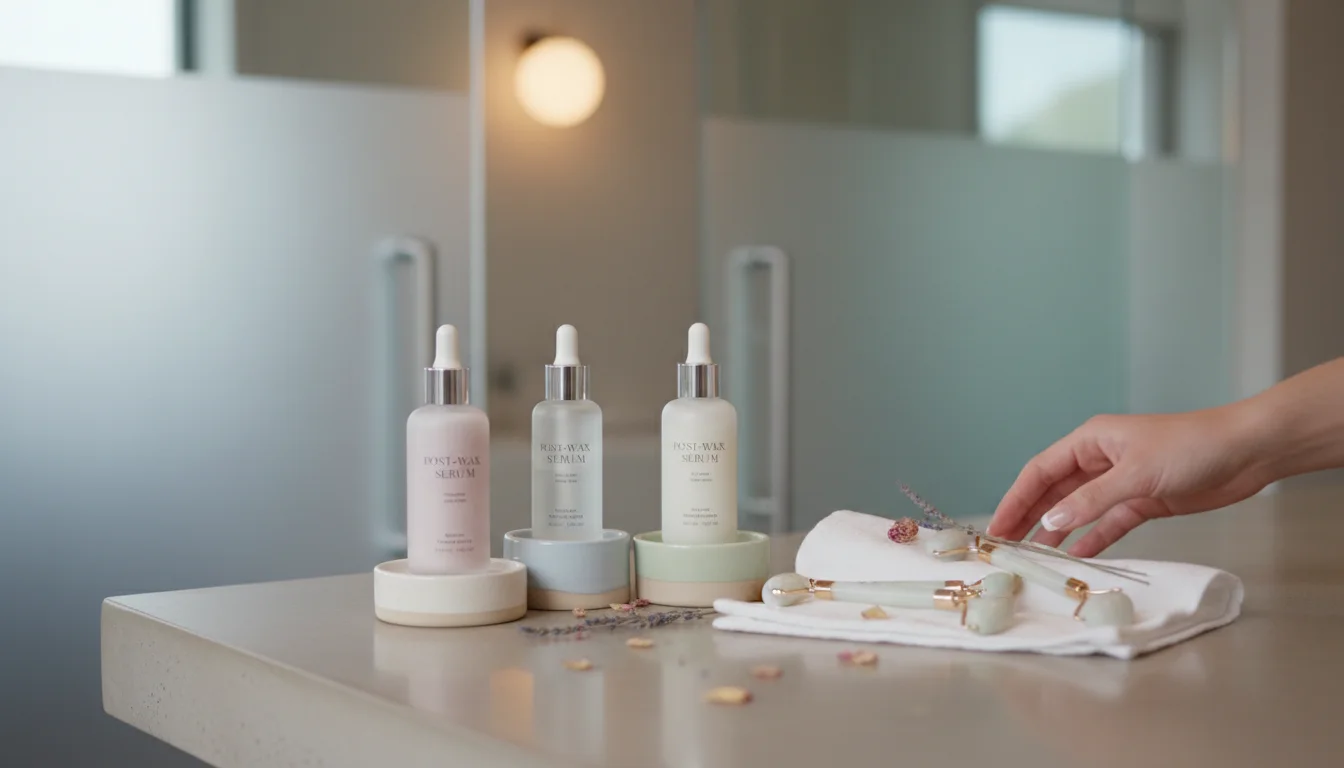
Armed with this new knowledge, Maya completely changed Glow & Go’s post-wax care. Now, right after the service, every client gets a gentle application of a soothing serum with green tea extract and chamomile. This first step is all about calming the skin immediately and getting the antioxidant defense started. For at-home care, she put together a small, curated selection of products, focusing on a lightweight, antioxidant-rich lotion or oil. Her instructions were very specific:
- Immediate Application: Put on a calming, antioxidant serum or gel right after your wax to knock back that initial redness and inflammation.
- Consistent Follow-Up: Keep applying a gentle, antioxidant moisturizer twice a day for at least 72 hours. This window is when the real cellular repair happens.
- Sun Protection: Use a broad-spectrum sunscreen with an SPF of 30 or higher on any waxed areas exposed to the sun. Freshly waxed skin is way more likely to get sun damage and hyperpigmentation, a fact the American Academy of Dermatology constantly reinforces.
- Gentle Cleansing: Wash with a mild, sulfate-free cleanser so you don’t strip the skin’s natural oils.
One of Maya’s regulars, Sarah, a marketing pro who came in every couple of weeks, was one of the first to try the new system. Sarah used to get pretty bad redness that would last a day or two, and sometimes she’d get tiny, irritated bumps. “I used to hate how my skin felt right after,” Sarah told me. “It just felt raw, and I’d try to cover it up.” But after Maya switched to the antioxidant-focused routine, Sarah’s results were totally different. “The redness was way down, and my skin felt so much calmer almost right away. And those little bumps? They just stopped happening. It made such a huge difference.”
This wasn’t just Sarah’s experience. Maya saw this happening with all her clients. The feedback was overwhelmingly good. People reported less irritation, quicker recovery, and just better-looking and feeling skin. This obvious improvement led to more satisfied clients who kept coming back to Glow & Go.
The Science Behind the Smooth
Skin recovery after waxing is a complex biological process. When a hair is pulled out, it creates micro-traumas around the follicle which release inflammatory mediators, that’s why you see redness and feel tenderness. At the same time, the skin’s own antioxidant defenses get overwhelmed by the free radicals generated from the stress and environmental exposure. Without backup, these free radicals can cause more damage, slow down healing, and even lead to post-inflammatory hyperpigmentation, which are those dark spots that show up after the skin has been inflamed.
When we apply topical antioxidants, we’re giving the skin the extra help it needs to fight this battle. Vitamin C, for instance, is a free radical scavenger that is also required for collagen synthesis, important for repairing the skin. Vitamin E helps stabilize cell membranes to protect them from damage and has its own anti-inflammatory effects. Green tea polyphenols directly calm the inflammatory process, dialing down redness and discomfort. This kind of approach builds real skin resilience.
“It’s about being proactive with care, not just reacting to irritation,” Maya stressed. “We’re not just putting out fires. We’re keeping them from starting in the first place.” This science-backed philosophy became a key to Glow & Go’s success. Clients were getting healthier, more resilient skin, not just temporary smoothness.
The change at Glow & Go shows a basic truth in skincare: if you understand what skin needs on a cellular level, you can find solutions that actually work. For anyone who wants the best results from waxing, skipping antioxidant skincare in post-wax recovery is a huge missed opportunity. It takes aftercare from basic soothing to genuinely nurturing the skin for lasting health and a radiant look.
Why are antioxidants particularly important after waxing?
Because waxing creates tiny traumas in the skin that trigger an inflammatory response (redness, sensitivity). Antioxidants neutralize the free radicals caused by this stress, which reduces inflammation and helps your skin heal faster, preventing problems like dark spots.
Which specific antioxidants should I look for in post-wax products?
Look for Vitamin C (L-Ascorbic Acid or its derivatives), Vitamin E (Tocopherol), Green Tea Extract (Camellia Sinensis Leaf Extract), and Niacinamide (Vitamin B3). Chamomile extract is also a great one for its calming effect.
How long should I apply antioxidant products after waxing?
You should apply them right after your wax and then keep using them twice a day for at least 72 hours. That three-day window is when your skin is doing most of its initial healing and calming down.
Can I use my regular antioxidant serum after waxing, or do I need a specific post-wax product?
You probably can use your regular antioxidant serum, just make sure it’s gentle. It shouldn’t have any strong fragrances, retinoids, or harsh exfoliants that could irritate your skin even more. If you’re not sure, a product specifically designed for post-wax sensitivity is a safe bet.
Does applying sunscreen count as antioxidant protection after waxing?
Sunscreen is absolutely necessary for protecting against UV damage, which can make inflammation and hyperpigmentation much worse after a wax. While some sunscreens do have antioxidants in them, you’ll get the best protection and recovery by using a dedicated antioxidant serum or moisturizer *under* your broad-spectrum SPF 30+ sunscreen.


