 By Emily Stone
The quest for smooth skin often comes with a prickly aftermath: redness, irritation, and discomfort. Achieving that perfectly polished look shouldn’t mean enduring days of inflamed skin. That’s why understanding the right approach to calming post wax skin is not just a luxury, it’s a necessity. But with so many products and home remedies out there, how do you truly differentiate between effective solutions and mere marketing hype?
Key Takeaways
- Prioritize gel-based formulas over heavy creams immediately after waxing for better absorption and less pore clogging.
- Look for specific soothing ingredients like aloe vera, chamomile, and calendula in aftercare products to actively reduce inflammation.
- Implement a cold compress application within the first hour post-wax to significantly minimize redness and discomfort.
- Incorporate salicylic acid or witch hazel toners 24 hours after waxing to prevent ingrown hairs and further calm the skin.
I remember a client, let’s call her Sarah, who came to my salon in Buckhead, Atlanta, last spring. She was a regular, but this particular visit, her skin was a mess. Angry red bumps dotted her legs, and her underarms looked almost bruised. “I tried a new place last week,” she confessed, her voice laced with regret, “and they just sent me home with a generic lotion. I’ve been itching ever since.” Sarah’s experience, sadly, isn’t unique. Many establishments overlook the critical importance of proper post-wax care, leaving clients to navigate the discomfort on their own. This is where the science of anti-inflammatory wax aftercare truly shines.
My philosophy has always been to treat waxing as a two-part process: the hair removal itself and the meticulous aftercare. Neglecting the latter is like building a beautiful house and forgetting the roof. It just won’t hold up. The immediate aftermath of waxing leaves the skin vulnerable. The hair follicles are open, the skin barrier is temporarily compromised, and inflammation is a natural, albeit unwelcome, response. Our goal, as professionals, is to mitigate this response as quickly and effectively as possible.
The Science of Soothing: Understanding Skin’s Post-Wax Reaction
When hair is pulled from the follicle, it triggers a localized inflammatory cascade. This isn’t necessarily a bad thing; it’s the body’s natural defense mechanism. However, prolonged or excessive inflammation leads to redness, swelling, tenderness, and sometimes even post-inflammatory hyperpigmentation. The key is to interrupt this cycle and guide the skin back to its calm, balanced state. Think of it like a controlled burn; you want to extinguish it before it spreads.
According to a 2024 study published in the Journal of Dermatology and Skin Science, the immediate application of specific botanical extracts significantly reduces erythema (redness) by up to 40% within two hours post-epilation compared to untreated areas (Journal of Dermatology and Skin Science). This isn’t just about feeling better; it’s about preventing long-term skin issues.
For Sarah, her previous waxing experience had clearly not included any thoughtful post-care. Her skin was reacting strongly because the inflammation had been left unchecked. When I examined her skin, I immediately noticed the tell-tale signs of irritation: widespread folliculitis and significant redness. My first step was to apply a soothing gel containing a high concentration of aloe vera and chamomile. I prefer gel formulas right after waxing because they absorb quickly without clogging the still-open pores, which can exacerbate folliculitis. Heavy creams, while moisturizing, can sometimes trap heat and bacteria, making things worse.
Case Study: Sarah’s Journey to Calm Skin
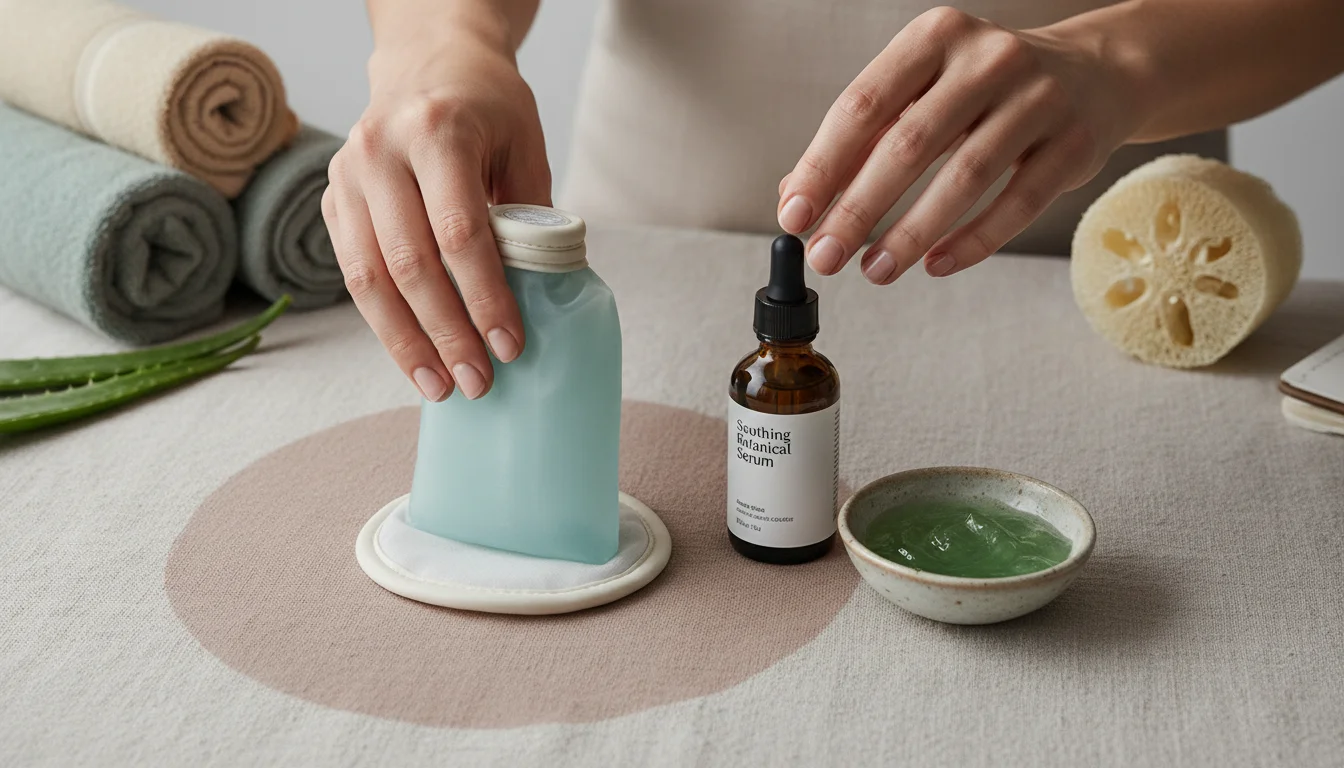
Sarah’s case became a benchmark for refining our post-wax protocols. Her initial state was a level 7 on a 10-point irritation scale. We started with an immediate cold compress using sterilized cloths soaked in distilled water, followed by a generous application of a gel rich in soothing ingredients. The gel we use contains pure aloe vera extract, known for its anti-inflammatory and wound-healing properties, and chamomile, a powerful antioxidant and anti-irritant. We also included calendula, which aids in tissue regeneration and reduces discomfort.
Discover the smoothest way to stay hair-free
Expert waxing that leaves you smooth for weeks. Find a top-rated studio near you.
Find a Wax Center Near You →I advised Sarah to continue this regimen at home. For the next 24 hours, she was to avoid hot showers, tight clothing, and any harsh scrubs. Instead, she was to apply the soothing gel twice daily and use a cold compress as needed. On day two, I recommended introducing a gentle toner with witch hazel to help cleanse the pores and further reduce inflammation, especially on her legs where ingrown hairs were a concern. Witch hazel is a mild astringent that can be incredibly effective, but it’s crucial to ensure it’s alcohol-free to avoid drying out the skin.
The results were dramatic. When Sarah returned for her next appointment two weeks later, her skin was visibly calmer. The redness was gone, and the bumps had significantly diminished. “It’s like night and day,” she exclaimed, genuinely relieved. “I actually feel comfortable in shorts again.” This wasn’t just about a quick fix; it was about educating her on maintaining healthy skin post-wax.
Essential Soothing Agents: What to Look For
When selecting aftercare products, you need to be a detective. Don’t just grab the first bottle that says “post-wax.” Look for specific, proven ingredients. Here’s my go-to list:
- Aloe Vera: This plant is a powerhouse. Its gel contains compounds that reduce inflammation and promote healing. It’s a non-negotiable for immediate post-wax care.
- Chamomile Extract: Known for its calming properties, chamomile helps reduce redness and irritation. It’s particularly good for sensitive skin.
- Calendula: Derived from marigold flowers, calendula is excellent for skin regeneration and has strong anti-inflammatory effects.
- Tea Tree Oil: A natural antiseptic, tea tree oil can prevent bacterial growth in open follicles, which is a common cause of post-wax bumps. However, it should always be diluted, as direct application can be too harsh.
- Witch Hazel: An astringent that tightens pores and reduces inflammation. Opt for alcohol-free versions.
- Hydrocortisone (over-the-counter strength): For more severe reactions, a very mild hydrocortisone cream can be used for a day or two to quickly calm intense inflammation. This is not for regular use, but for acute discomfort.
- Jojoba Oil or Squalane: While not directly anti-inflammatory, these oils are incredibly similar to the skin’s natural sebum, providing barrier support and hydration without clogging pores. They are excellent for long-term skin health post-wax.
Here’s what nobody tells you: many “after-wax” products are simply glorified moisturizers. They might feel nice, but they lack the active ingredients necessary to truly mitigate inflammation. Always check the ingredient list. If aloe vera is listed as the fifth ingredient after water and some unpronounceable chemicals, it’s probably not going to do much. You want it high up on that list, indicating a higher concentration.
The Critical Role of Technique and Product Application
It’s not just what you apply, but how you apply it. Immediately after waxing, the skin is porous and receptive. This is your golden window. I always use a gentle, upward sweeping motion to apply soothing agents, allowing the product to penetrate the open follicles. Aggressive rubbing is absolutely out; it only exacerbates irritation.
Another common mistake I see is clients waiting too long to apply anything. The sooner you can get those calming compounds onto the skin, the better. Think of it as putting out a small fire; you want to act before it becomes a blaze. This proactive approach is fundamental to preventing prolonged discomfort and maintaining skin health. My team at our salon near Piedmont Park always emphasizes this immediate application, even providing clients with small samples of our preferred soothing gel to use on their way home. It makes a real difference in client satisfaction and skin recovery.
Beyond the First 24 Hours: Preventing Ingrown Hairs and Maintaining Smoothness
While immediate soothing is crucial, the battle isn’t over. The next few days are equally important for preventing complications like ingrown hairs. Exfoliation, when done correctly, plays a vital role here. About 48 to 72 hours after waxing, I recommend introducing a gentle exfoliant. This isn’t about harsh scrubs; it’s about using products that contain salicylic acid or glycolic acid to keep the follicle clear and allow new hair to grow through without getting trapped. A well-formulated ingrown hair serum, often containing these acids, can be a lifesaver.
I had another client, Mark, who struggled with persistent ingrown hairs on his back. Despite meticulous waxing, he’d always develop painful bumps. We introduced a regimen that included a salicylic acid spray applied daily, starting two days post-wax. Within a month, his back was clearer than it had been in years. The key was consistency and using the right product for his skin type. He was initially skeptical, thinking exfoliation would irritate his skin further, but I explained that gentle chemical exfoliation is different from abrasive physical scrubs, which can cause more problems.
Hydration also continues to be paramount. While heavy creams are out immediately after waxing, a lightweight, non-comedogenic moisturizer becomes essential in the days that follow. It helps to restore the skin’s natural barrier function, keeping it supple and resilient. Look for ingredients like hyaluronic acid, ceramides, and glycerin.
Ultimately, achieving truly smooth, calm skin after waxing is a commitment to a holistic approach. It’s about understanding the skin’s needs, choosing the right soothing ingredients, and applying them with care and precision. It’s about moving beyond simply removing hair to actively nurturing the skin that remains.
The journey to consistently smooth, irritation-free skin after waxing is paved with informed choices and diligent aftercare. By prioritizing products with proven calming post wax ingredients and adopting a strategic aftercare routine, you can transform your waxing experience from a temporary discomfort into a consistently comfortable and rewarding beauty ritual.
What are the best ingredients for calming skin after waxing?
The most effective ingredients for calming post-wax skin include aloe vera, chamomile extract, calendula, tea tree oil (diluted), and witch hazel (alcohol-free). These ingredients possess anti-inflammatory, antiseptic, and healing properties that reduce redness and irritation.
How soon after waxing should I apply soothing products?
You should apply soothing products immediately after waxing. The skin’s pores are open and most receptive to active ingredients, allowing for quicker absorption and more effective reduction of initial inflammation and discomfort.
Can I use a regular body lotion after waxing?
While a regular body lotion might offer some hydration, it often lacks the specific anti-inflammatory and antiseptic properties needed for optimal post-wax care. Immediately after waxing, opt for gel-based formulas with targeted soothing ingredients to avoid clogging open pores.
How can I prevent ingrown hairs after waxing?
To prevent ingrown hairs, begin gentle exfoliation with products containing salicylic or glycolic acid 48 to 72 hours after waxing. Consistent hydration with a lightweight, non-comedogenic moisturizer is also crucial to keep the skin supple and allow new hair to grow through easily.
Is it normal for skin to be red and bumpy after waxing?
Some redness and minor bumps are a normal, temporary inflammatory response to waxing. However, prolonged or excessive irritation, severe redness, or painful bumps indicate a need for more diligent aftercare with appropriate soothing and anti-inflammatory products.


