 By Editorial Team
The soft glow of the salt lamp cast long shadows across the reception area at “The Gilded Petal,” a new waxing studio in Atlanta’s lively Old Fourth Ward. The owner, Lena, was a seasoned aesthetician who’d poured her life savings into it. She wanted a space that felt more like a serene retreat than a clinical room, but six months in, she was staring at a spotty schedule and reviews that were just… lukewarm. People kept hinting at some kind of discomfort. Her vision for a truly relaxing experience, where client comfort was her top priority, just wasn’t landing, and she couldn’t figure out why.
Key Takeaways
- Use a pre-service consultation to ask about individual client concerns, temperature, music, what to expect for aftercare.
- Invest in high-quality, hypoallergenic hard wax to cut down on skin irritation and pain during the service.
- Design a sensory-rich salon with carefully chosen ambient lighting, calming aromatherapy, and curated background sound.
- Train your staff in real communication techniques, like active listening and empathetic responses, to build trust with clients.
- Maintain strict hygiene protocols and make them visible, so clients feel assured they’re in a safe, professional place.
Lena’s first move, like a lot of new salon owners, was to focus on the technical skill of her team and the quality of her wax. She bought premium hard wax, the kind known for being gentler, and made sure her staff got constant training. “I thought if the wax was good and the technique was solid, everything else would fall into place,” Lena told me during a consultation we had in late 2025. This is a common mistake. Technical skill is the foundation, but it often completely overshadows the psychological and environmental details that truly make an experience relaxing.
Client expectations in 2026 are broader. People know more, and they want an experience, not just a service. A 2025 industry report from the Professional Beauty Association (PBA) showed a 15% jump in clients choosing salons that prioritize well-being over just getting you in and out. It’s about deliberate, multi-sensory design, not just fluffy towels. The goal is to address potential anxieties before your client even feels them.
Lena’s studio looked nice, but it didn’t have that deliberate design. The music was a generic pop playlist that was sometimes way too loud, the soft lighting wasn’t adjustable in the actual treatment rooms, and the single scent diffuser by the door didn’t make it to the back. These seem like small things, right? But they add up. The brain constantly processes sensory input, and any kind of mismatch or overwhelming stimulus can trigger a low-grade stress response, even if the client can’t put their finger on it. In fact, a 2024 study in the Journal of Environmental Psychology (ScienceDirect) found a direct link between a person’s perceived control over their environment and lower anxiety in places like salons.
Smooth skin that lasts, the easy way
Expert waxing that leaves you smooth for weeks. Find a top-rated studio near you.
Find a Wax Center Near You →Our initial audit of The Gilded Petal revealed several non-obvious improvements. The pre-service consultation, for example, was just a quick check of medical history. It didn’t ask anything about the client’s preferences for the service itself. Does she want silence or calming music? Is she sensitive to smells? What temperature does she find comfortable? These proactive questions help clients feel heard and cared for. Lena pushed back at first, worried it would mess up her tight schedule. “We’re already tight on scheduling,” she said, “adding more questions feels counterproductive.” However, the long-term value of a comfortable client who comes back again and again far outweighs the extra two minutes it takes upfront.
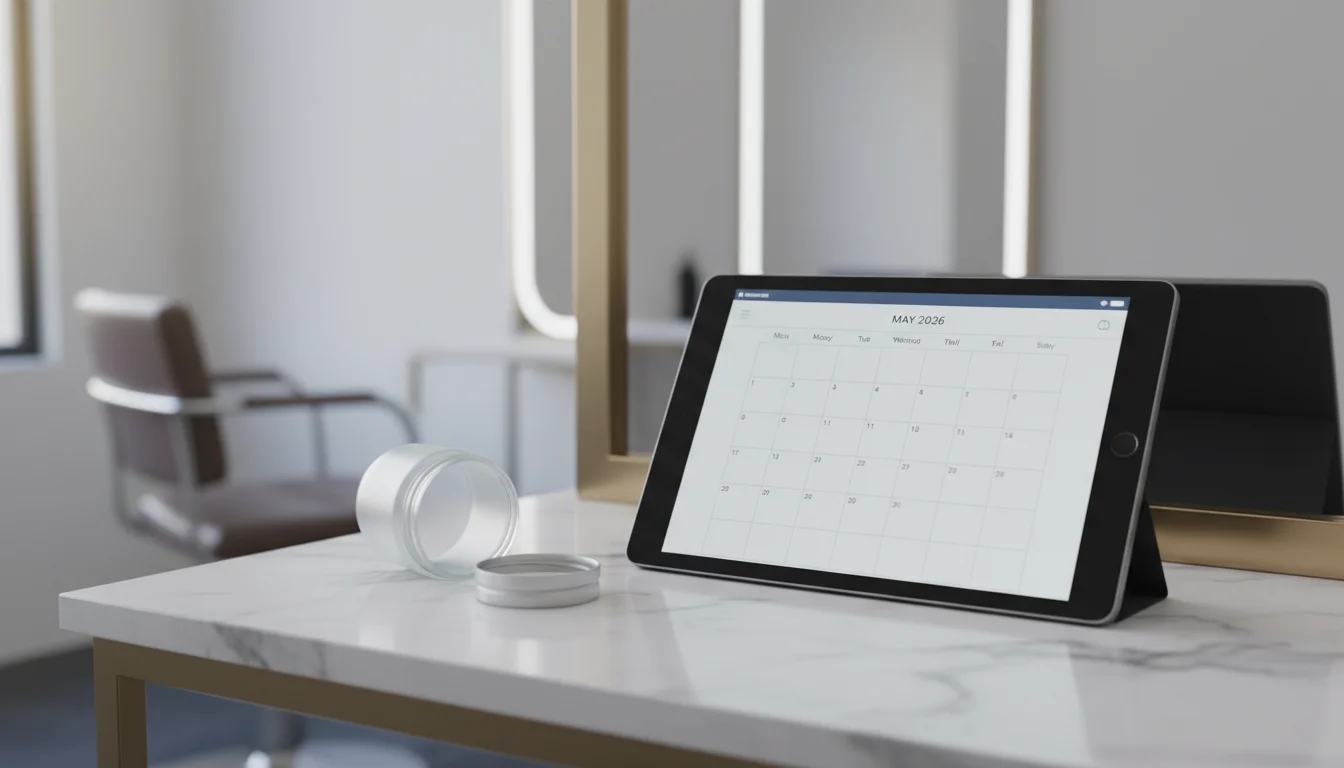
So, we overhauled the intake process. Clients started getting a digital form before their appointment where they could pick their music (from a curated list of instrumental, ambient, or nature sounds), aromatherapy scent (lavender, eucalyptus, or unscented), and even a preferred room temperature range. The impact was immediate. Clients came in already feeling like their needs were considered, which lowered their guard. The form also gave them a space to list any specific worries about waxing, giving the aestheticians a heads-up before the client was even on the table.
The physical salon environment also needed refining. We put individual dimmer switches in each treatment room so the aesthetician could adjust the light to what the client wanted. Instead of one big diffuser, we put small ones in each room, rotating calming essential oils like bergamot and frankincense, as recommended by the National Association for Well-rounded Aromatherapy (NAHA). The pop music got replaced with a license-free ambient soundscape for a consistent, quiet vibe. It’s about intentionality, not extravagance. Every element, from the texture of the linens to the artwork on the walls, should contribute to calm.
Staff expertise and demeanor are often overlooked aspects of client comfort. Lena’s team was skilled with wax, but they needed help with the kind of empathetic communication that makes a place feel like a real sanctuary. We ran a few workshops on active listening and compassionate language. For example, instead of just saying, “This might sting a bit,” they learned to say, “You might feel a quick, sharp sensation, and if you need a moment, just let me know.” That small change gives the client a feeling of control. The workshops also covered distraction techniques for tough spots, like guiding clients through breathing exercises.
Hygiene, a given in any professional setting, also contributes significantly to client comfort. Lena’s sterilization was excellent, but it wasn’t visible. We had her put a small, framed card in each room detailing the studio’s hygiene protocols, the use of disposable spatulas, fresh linens for every client, and hospital-grade disinfectants. Seeing that commitment in writing, even if they just glance at it, reinforces trust and quiets those subconscious worries about cleanliness. A 2023 survey by the American Association of Cosmetology Schools (AACS) confirmed it: perceived cleanliness was a top-three reason clients returned to a beauty service.
These changes deeply impacted The Gilded Petal. Within three months, Lena saw a 25% increase in repeat bookings. Her online reviews started glowing, with people specifically calling out the peaceful atmosphere and the attentive staff. One review read, “It felt like I was at a spa, not just getting a wax. Every detail was perfect.” Lena also saw a big shift in her team’s morale. They felt more connected to their clients and what they were doing. The initial grumbling about extra steps disappeared once they saw how much happier clients were.
Building a sanctuary environment takes continuous attention to detail, adaptability, and a genuine commitment to understanding the whole client experience. It means moving beyond technical execution to cultivate a space where clients feel truly cared for. This approach transforms a routine appointment into a cherished self-care moment, ensuring clients return and become advocates for your business.
Creating an environment where client comfort is the foundation requires a deliberate strategy that goes beyond just being good at waxing, focusing instead on sensory design, empathetic communication, and visible hygiene to create an experience that is genuinely relaxing.
What makes a waxing experience relaxing?
A relaxing experience is a combination of things: adjustable lighting, calming aromatherapy, curated music (like instrumental or nature sounds), a comfortable room temperature, and soft, clean linens. It’s the whole package.
How important is communication for client comfort?
It’s everything. Empathetic communication from the aesthetician, explaining steps, checking in on comfort, offering reassurance, is the fastest way to reduce a client’s anxiety and make their entire experience better.
Does the type of wax really matter for comfort?
Yes, absolutely. High-quality hard wax made for sensitive skin is almost always less painful and causes less irritation than strip wax, which makes a huge difference, especially for delicate areas.
What does hygiene have to do with comfort?
Visible hygiene, like seeing single-use spatulas, sterilized tools, and clean surfaces, builds a client’s trust and quiets their unspoken fears about cleanliness. That sense of safety is a direct part of their comfort.
How can I personalize the experience for each client?
Personalization comes from a good pre-service consultation. Ask them about their preferences for music, scent, and temperature, and give them a chance to voice any anxieties before you even start.


