 By Editorial Team
Clients come to us for smooth, hair-free skin, but there’s always a nagging thought in the back of their minds: is this place clean? That worry focuses squarely on the treatment bed, and their anxiety about it can make or break the entire waxing experience. It directly affects client comfort. So how do we run a tight ship, keeping things perfectly sanitary without slowing down the day’s appointments?
Key Takeaways
- Use disposable, single-use liners for every single client to stop cross-contamination in its tracks. It’s non-negotiable.
- Choose liners made of tough, liquid-proof stuff like medical-grade polypropylene. It feels better for the client and saves your expensive table from wax and oil.
- Make sure clients *see* you putting on a fresh liner. This simple act builds more trust than any words can and shows you’re serious about sanitation.
- Consistent hygiene and fast room turnover depend on training your staff relentlessly on how to properly place and toss liners.
- Spending a little more on quality hygienic liners means less risk of skin irritation for clients and makes your service look and feel more premium.
The Challenge: Balancing Hygiene and Efficiency
For the longest time, the big headache in any waxing salon was trying to keep things perfectly clean without slowing down appointments or breaking the bank. We were all stuck sanitizing reusable vinyl or fabric bed covers, which took forever and was easy to mess up when you were in a rush. Even if you cleaned them perfectly, clients just felt weird about lying on a surface someone else was just on. I can’t tell you how many times a client has sighed in relief when they see a fresh sheet on the bed, which tells you everything you need to know about how they felt about the old way of doing things.
What Went Wrong First: Flawed Approaches to Bed Hygiene
Our first tries at solving this were pretty bad in hindsight. A lot of salons just sprayed and wiped down the vinyl bed with disinfectant between clients, but that system had major holes. For one, disinfectants need to sit for a specific “dwell time” to actually kill anything, and in a slammed salon, nobody was waiting that long. Then you had fabric sheets. Even after laundering, they could hold onto allergens or microscopic gunk, which is a nightmare for sensitive clients. Plus, the mountain of laundry was a huge operational drag, jacking up water bills and staff time, and it still didn’t solve the client’s mental block about a shared surface.
The other big mistake was cheaping out on those thin paper rolls, the kind you see at a doctor’s office. Sure, they were single-use, but they were awful. They’d rip the second a client shifted their weight and offered zero real protection if wax or oil dripped. You’d end up having to deep clean the actual bed more often, which completely defeated the point of a disposable cover. It was a bad look for the client, too. Nothing says ‘we don’t care’ like a crinkly, torn piece of paper on the treatment table.
Discover the smoothest way to stay hair-free
Expert waxing that leaves you smooth for weeks. Find a top-rated studio near you.
Find a Wax Center Near You →| Aspect | Traditional Approaches | Advanced Hygienic Liners (2026 Success) |
|---|---|---|
| Primary Material | Vinyl, fabric, or thin paper rolls | Medical-grade polypropylene |
| Hygiene Efficacy | Risky. Missed spots, leftover residue, tears easily | Solid barrier. Stops cross-contamination |
| Client Comfort | Anxious about shared surfaces. Crinkly and rips | Soft, strong, and quiet. Total peace of mind |
| Operational Efficiency | Slow. Constant wiping or massive laundry loads | Fast. Quick to lay down, quick to throw away |
| Risk of Skin Irritation | High risk from cleaning chemical or laundry residues | Low risk. Looks and feels professional and safe |
| CDC Recommendation | No specific endorsement for this use | Follows healthcare principle of single-use barriers |
The Solution: Embracing Advanced Hygienic Bed Liners
The real fix for all these problems came with the adoption of proper hygienic liners. These aren’t just paper. They’re specifically engineered materials that create a true, waterproof barrier between the client and the bed, guaranteeing a completely sanitary surface every time. Moving to these liners was a massive step up for professional waxing standards across the board.
Step-by-Step Implementation for Superior Hygiene
Getting this right is about more than just buying a box of liners. You need a solid system in place:
- Choose the Right Stuff: Your first move is picking a good liner. The best ones are made from medical-grade non-woven polypropylene. This material is soft, tough, and won’t let liquids through, so you get protection and comfort. It’s the same logic the Centers for Disease Control and Prevention (CDC) pushes for healthcare settings, where single-use barriers are a standard practice to stop cross-contamination. We should be holding ourselves to that same standard.
- Have a Clear Protocol: A fresh liner has to be laid out smoothly over the entire bed *before* the client walks in. It’s not just a cover. It’s a visual promise of cleanliness. Train your staff to pull it taut, with no wrinkles, and make sure it hangs over the edges for full coverage.
- Dispose of It Immediately: The moment the client leaves, that liner needs to go. Train your team to fold it inwards (to trap any wax or hair) and throw it straight into a covered trash can. This has to be a fast, automatic reflex. No exceptions. It allows for a quick room flip without ever risking hygiene.
- Train and Audit Your Team: A protocol is useless if people don’t follow it. You need regular training refreshers for everyone on how to apply, remove, and toss these liners correctly. I also do quick spot-checks and bring it up in team meetings. It seems small, but those little reminders are what keep the standards high day in and day out.
- Communicate with Your Clients: Let them see you do it, but don’t be afraid to mention it. A small sign at the front desk or a quick comment during the consultation about your hygiene standards goes a long way. Being transparent about how you protect them builds incredible trust.
The Measurable Results: Enhanced Client Comfort and Operational Excellence
Switching to high-quality hygienic liners produces real, measurable results for your business, affecting everything from client happiness to how smoothly your day runs. The money you spend on them comes back to you in more ways than one.
Increased Client Confidence and Loyalty
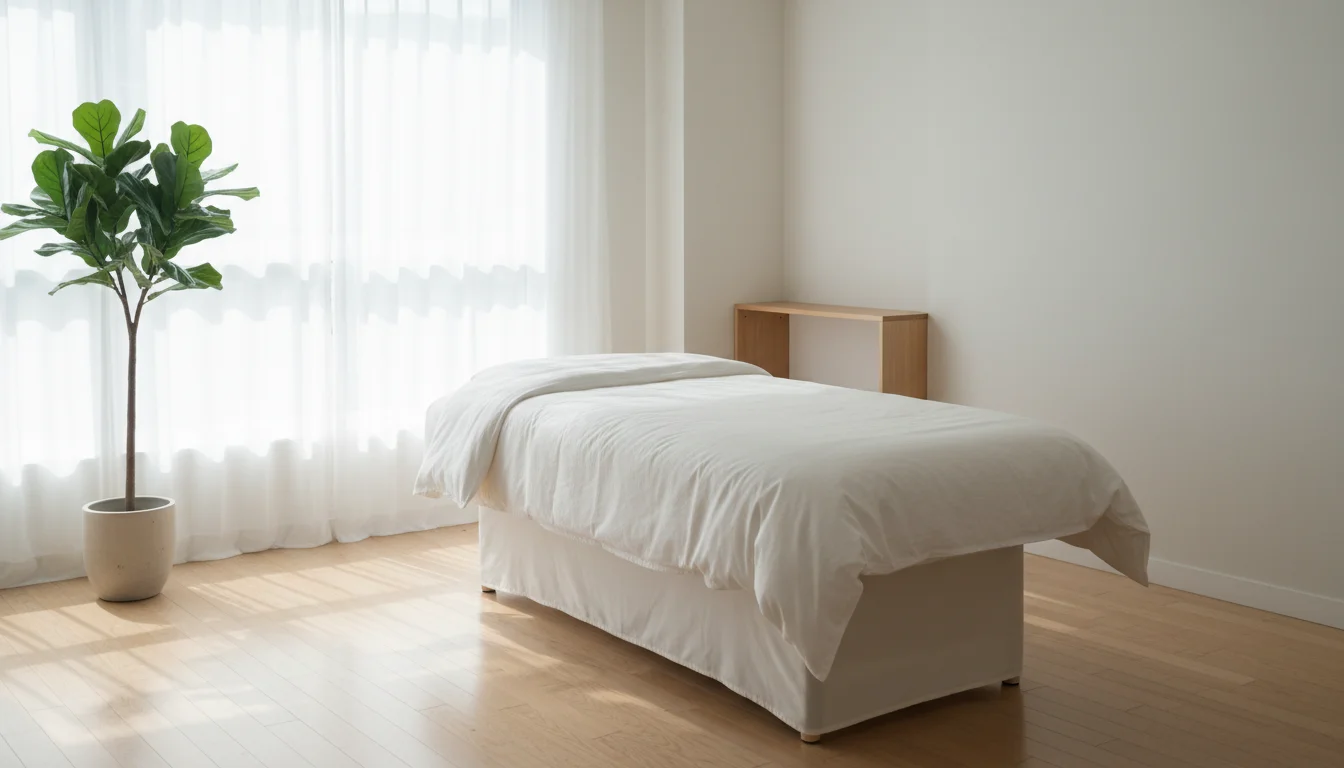
When a client walks into a room and sees a crisp, clean, untouched liner on the bed, their whole posture changes. They relax. That visible proof of hygiene builds a level of confidence that keeps them coming back. In fact, a 2024 Professional Beauty Association (PBA) survey showed that over 85% of clients rank hygiene as their top concern when picking a salon. Providing that peace of mind with a single-use liner makes you stand out. A relaxed client has a better waxing experience, rebooks on the spot, and tells their friends. You might think it’s just a basic expectation, but visibly going above and beyond that expectation is what creates loyalty.
Reduced Risk of Cross-Contamination and Skin Irritation
The most obvious win here is creating a real barrier that stops bacteria, viruses, and whatever else from getting from one client to the next. That drastically cuts the risk of cross-contamination, which is the biggest liability in our line of work. For anyone with sensitive skin or getting an intimate wax, this isn’t a luxury, it’s a necessity. It lowers the chances of them getting a nasty post-wax irritation or even an infection. Sterile, single-use items are the rule in medicine for a reason, and we should operate the same way. Even OSHA‘s guidelines on bloodborne pathogens make it clear that barrier protection is how you reduce exposure risk.
Improved Operational Efficiency and Cost Savings
Yes, you have to buy the liners, but you get that money back in operational savings. You completely eliminate the cost and labor of doing endless loads of laundry, which saves a ton on water and electricity bills. Your staff can spend that time on clients instead of folding sheets. These liners also save your expensive treatment bed from wax drips and oil stains, so it lasts longer and you don’t have to pay for deep cleaning or early replacement. The faster room turnover lets you book more appointments which goes straight to the bottom line. And for the eco-conscious, while they are single-use, many modern liners are made with an eye on sustainability and are often a better choice than the high energy and water use of constant laundering.
Enhanced Professional Image
Focusing on this level of hygiene just makes you look more professional. It’s a clear, silent signal to every client that you put their safety first and run your business by the book. That kind of reputation, built on visible proof of cleanliness, is what earns five-star online reviews and gets people referring their friends. In an era where a single bad review can hurt your business, getting this right is how you build a name for providing top-tier client comfort and safety.
The shift from wiping down beds to using proper, single-use liners shows how much our industry has grown up. When you prioritize client comfort with excellent hygienic liners, you protect your clients’ health while building the kind of trust that brings them back again and again. Thinking of this as an expense is a mistake. It’s one of the smartest investments you can make for a better waxing experience and a healthier business.
What are hygienic bed liners made of?
They’re typically made from medical-grade non-woven polypropylene, a synthetic material. It’s picked because it’s tough, liquid-proof, and soft, so it gives you a comfortable and effective barrier without feeling like cheap paper.
How do hygienic liners improve the waxing experience?
They give every client a guaranteed fresh, clean surface, which instantly puts them at ease about cross-contamination. That peace of mind makes the whole service feel more professional and relaxing, improving their experience from the moment they enter the room.
Are hygienic bed liners environmentally friendly?
It’s a trade-off. While they are single-use, many are made from recyclable materials. More importantly, using them eliminates the massive water and energy consumption from constantly laundering fabric sheets. Depending on your local recycling and power grid, liners can actually be the more responsible choice.
How often should bed liners be changed?
After every single client. No exceptions. It’s the only way to guarantee you’re preventing cross-contamination and maintaining professional hygiene standards.
Can I use regular paper towels instead of specialized liners?
Absolutely not. Paper towels are way too flimsy, they tear easily and don’t stop liquids from seeping through to your bed. They offer no real barrier protection and make your setup look cheap, completely undermining a client’s confidence in your hygiene.


