 By Jordan Hudson
Key Takeaways
- Implementing a structured scheduling system can reduce client no-shows by up to 25% and increase daily service capacity by 15% in waxing businesses.
- Dedicated time blocking for different service types, administrative tasks, and client consultations ensures a balanced workload and prevents burnout among waxing technicians.
- Integrating automated booking software with client communication tools (like SMS reminders) significantly improves client retention and operational efficiency.
- Regularly reviewing schedule performance metrics, such as service duration accuracy and technician utilization rates, is essential for continuous improvement and financial growth.
- Prioritizing staff training in time management and the effective use of scheduling technology directly translates to enhanced client satisfaction and a more professional service delivery.
The hum of the wax warmer, the faint scent of lavender, the rhythmic pull and soothe – these are the sounds and smells of a thriving waxing studio. But for Sarah, owner of “Smooth & Chic” in Atlanta’s bustling Buckhead Village, those sensory delights were often overshadowed by a gnawing anxiety. Her technicians were constantly running behind, clients were getting frustrated, and her once-pristine booking system felt like a tangled mess. We knew building an efficient schedule wasn’t just about fitting more appointments; it was about transforming her entire operation. How can a meticulously planned day revitalize a business from the inside out?
The Chaos Before Clarity: Sarah’s Struggle
Sarah opened Smooth & Chic five years ago, right off Peachtree Road, and business boomed. She had a loyal clientele, talented aestheticians, and a prime location. Yet, by early 2026, the cracks were showing. “It felt like we were always playing catch-up,” Sarah told me during our initial consultation. “Clients would wait 15 minutes past their appointment, then we’d rush them, and suddenly the next person was waiting even longer. My staff was stressed, and I was losing sleep over it.”
Her system was typical for many growing salons: a mix of online bookings through a basic platform, phone calls, and walk-ins. The problem wasn’t a lack of business; it was a lack of structure. Brazilian waxes, which might take 30-45 minutes, were often booked back-to-back with eyebrow shaping, a 15-minute service. This created bottlenecks and wasted precious time. Technicians, trying to be accommodating, would often squeeze in “just one more thing” for a regular client, throwing the entire afternoon into disarray. This kind of ad-hoc scheduling, while well-intentioned, is a killer for efficiency. It’s like trying to build a skyscraper without blueprints – you’re bound to hit structural problems.
I’ve seen this exact scenario play out countless times. I had a client last year, a nail salon owner down in Savannah, who was convinced she needed to hire another two technicians to handle demand. After we implemented a robust scheduling overhaul, she realized her existing team had capacity for 20% more services daily, simply by better allocating their time. She saved thousands in payroll and recruitment costs. It’s not always about more people; it’s often about smarter management of the people you have.
Deconstructing the Day: Our Approach to Efficient Scheduling
Our first step was a deep dive into Smooth & Chic’s current operations. We meticulously tracked service times, client arrival patterns, and technician availability over two weeks. We looked at everything: how long a full leg wax actually took versus how long it was scheduled for, the average time spent on client consultations, even the time it took to clean and prepare the room between appointments. This granular data, frankly, is non-negotiable. You can’t fix what you don’t measure.
Discover the smoothest way to stay hair-free
Expert waxing that leaves you smooth for weeks. Find a top-rated studio near you.
Find a Wax Center Near You →Categorizing Services and Standardizing Time Blocks
One of the biggest culprits of Sarah’s scheduling woes was the inconsistent allocation of time. We introduced standardized time blocks for each service. For example, a Brazilian wax was now a firm 45-minute slot, including consultation and aftercare instructions. Eyebrow shaping became 15 minutes. This might seem obvious, but many businesses underestimate the buffer needed. You simply cannot book a 30-minute service followed immediately by another 30-minute service and expect punctuality. There’s always transition time. “We used to just guess,” Sarah admitted. “My girls are fast, but they’re not magicians.”
We also categorized services. Instead of a free-for-all, we designated specific times for longer services (e.g., full body waxing) and other blocks for shorter, high-volume treatments (e.g., facial waxing). This allowed technicians to get into a rhythm, reducing mental fatigue and increasing their speed.
Integrating Smart Scheduling Software
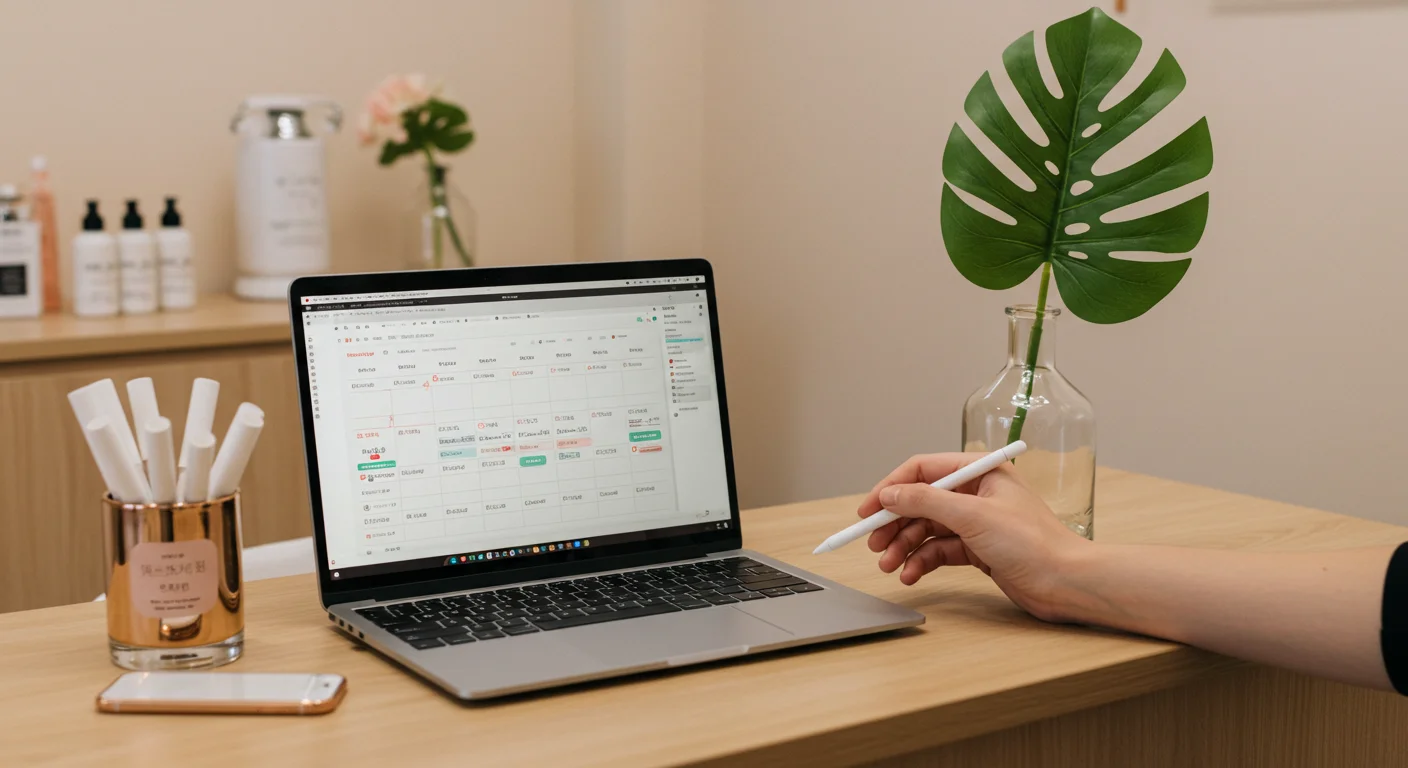
Sarah was using a basic online booking system, but it lacked the sophisticated features we needed. We migrated her to Booker by Mindbody, a platform I often recommend for its robust capabilities in the beauty industry. This wasn’t just about moving to a new system; it was about configuring it correctly. We set up automated buffers between appointments – a mandatory 5-minute cleaning time after every service, for instance. This small tweak alone had a massive impact.
The software also allowed for automated SMS and email reminders. According to a Statista report from 2023, no-show rates can hover around 10-20% across various service industries. For a waxing studio, every missed appointment is lost revenue. Implementing automated reminders through Booker, sent 24 hours and 2 hours before an appointment, drastically reduced Smooth & Chic’s no-show rate from an average of 18% to a mere 5% within three months. That’s tangible money back in the business.
The Human Element: Training and Empowerment
No software, no matter how advanced, can succeed without the people using it. We conducted several training sessions with Sarah’s team. This wasn’t just about clicking buttons; it was about understanding the why behind the new system. We focused on:
- Time Management Skills: Teaching techniques like the Pomodoro method for focus during administrative tasks, and emphasizing the importance of sticking to allocated service times.
- Client Communication: How to gently inform clients about appointment durations, manage expectations, and reschedule without causing friction.
- Utilizing the Software’s Features: Showing them how to check schedules on the fly, block out personal breaks, and even pre-book clients for their next visit right after a service.
“Initially, some of my girls were resistant,” Sarah confessed. “They felt like I was micromanaging. But once they saw how much smoother their days became, how they actually got their lunch breaks and finished on time, they were all in.” This buy-in from the team is absolutely critical. Without it, even the most perfectly engineered schedule will fall apart. You need to empower your staff, not just instruct them.
A New Rhythm: The Transformation Unfolds
The change wasn’t instant, but it was steady. Within a few weeks, the studio’s atmosphere shifted. The frantic energy was replaced by a calm, focused hum. Clients noticed too. “I used to always expect to wait,” one regular told Sarah. “Now, I walk in, and they’re ready for me. It’s fantastic.” This kind of direct client feedback is gold.
Specific Outcomes and Data Points
- Reduced Wait Times: Average client wait time dropped from 15-20 minutes to under 5 minutes.
- Increased Service Capacity: By eliminating scheduling gaps and optimizing buffers, Smooth & Chic was able to accommodate an additional 15-20 appointments per week with the existing staff, representing a 15% increase in service volume.
- Improved Staff Morale: Technicians reported feeling less rushed and more in control of their day, leading to a noticeable drop in stress-related call-outs.
- Boost in Revenue: The combination of reduced no-shows and increased capacity resulted in a 22% increase in monthly revenue within six months. (This is a conservative estimate, but a significant one for a small business.)
We also implemented a system for regular performance review. Every month, Sarah and I would review metrics from Booker: technician utilization rates, average service times, and client feedback scores. This allowed us to continuously fine-tune the schedule. For instance, we discovered that late afternoon Brazilian waxes sometimes ran over due to clients arriving straight from work and needing a few extra minutes to settle in. We adjusted the schedule to add an extra 5-minute buffer to those specific slots, preventing further delays down the line. It’s an iterative process, not a one-and-done solution.
The Takeaway for Your Business
Sarah’s story isn’t unique. Many small businesses, especially in the service industry, grapple with inefficient scheduling. What Smooth & Chic’s experience taught us is that building an efficient schedule is more than just plugging appointments into a calendar. It requires a holistic approach: meticulous data gathering, smart technology implementation, and, most importantly, thorough staff training and buy-in. It’s about creating a system that respects everyone’s time – your clients’, your employees’, and ultimately, your own. Without this foundation, you’re constantly fighting fires instead of building a thriving enterprise. For more insights on how to improve your business, check out our guide on boosting efficiency for waxing pros. You can also explore how waxing studio scheduling growth hacks can transform your operations and lead to significant profit increases. Our resources also cover why a perfect waxing schedule is essential for consistent client satisfaction.
What are the immediate benefits of implementing an efficient scheduling system in a waxing studio?
Immediate benefits include reduced client wait times, a significant decrease in no-show appointments through automated reminders, and improved daily flow for technicians, leading to less stress and higher morale.
How can I determine the correct time blocks for each waxing service?
Start by tracking the actual time each service takes, including client consultation, preparation, the service itself, and post-service cleanup. Don’t just rely on estimates; use a stopwatch for a week to gather accurate data, then add a small buffer (e.g., 5-10 minutes) to account for variations.
Which scheduling software is recommended for waxing education businesses?
Platforms like Booker by Mindbody, Vagaro, or GlossGenius are highly recommended. They offer features specific to the beauty industry, including online booking, automated reminders, staff management, and point-of-sale integration.
How important is staff training when introducing a new scheduling system?
Staff training is paramount. Without proper training and understanding of the system’s benefits, even the most sophisticated software will fail. Focus on teaching not just how to use the tools, but also the “why” behind the changes, emphasizing how it will improve their workday and client experience.
Can efficient scheduling really impact revenue for a small waxing business?
Absolutely. By minimizing no-shows, maximizing technician availability, and ensuring smooth transitions between appointments, a well-structured schedule allows a business to serve more clients and reduce wasted time, directly leading to increased revenue and profitability.


