 By Editorial Team
Any waxing service worth its salt is built on hygiene, specifically a strict single-use waxing philosophy. This is how you stop cross-contamination and protect your clients, which affects everything from their safety to whether they ever come back. So how do you actually build a hygiene policy that gets risk down to zero?
Key Takeaways
- Never, ever “double-dip.” Every time you go into the wax pot, it’s with a brand-new applicator to stop bacteria from spreading.
- If a tool touches the skin or wax, it better be disposable. After one use, it goes straight in the trash.
- Your workstation needs a full sanitation routine between every single client, and that means disinfecting all your non-disposable surfaces and gear.
- Post your hygiene rules where clients can see them. It builds trust and shows you’re a pro.
- Keep your staff trained on the latest hygiene standards. They need to understand that single-use practices are what stop infections.
1. Implement a Strict “No Double-Dipping” Policy for Wax Application
The absolute core of single-use waxing is banning “double-dipping.” It means that once a spatula touches a client’s skin, it never, ever goes back into the main wax pot. You need a fresh applicator for every single dip. There’s no debating this policy. It’s what keeps bacteria, dead skin, and who-knows-what-else from getting into your wax supply and spreading to other clients.
Pro Tip: For a busy salon, you can’t just hope for the best. You need a system. Use smaller, individual wax pots for each client or drill your staff on a “one-dip, one-apply, one-discard” rhythm until it’s muscle memory. Some places even have heated wax dispensers that portion out a single-use amount, which gets rid of the communal pot altogether. This whole process eliminates a huge infection risk, a point that health departments have been making for years. The same principles the Centers for Disease Control and Prevention (CDC) push for healthcare, things like hand hygiene and sterilizing tools, apply directly to our work in waxing salons, as you can see in their guidelines on infection control practices.
Common Mistake: Thinking the hot wax will kill everything. Sure, the heat might slow down some germs, but it’s not a sterilizer and it won’t instantly neutralize all the pathogens that could be on a used applicator. We keep wax at a certain temperature for the right application texture, not to sterilize it.
2. Use Disposable Applicators, Strips, and Gloves Exclusively
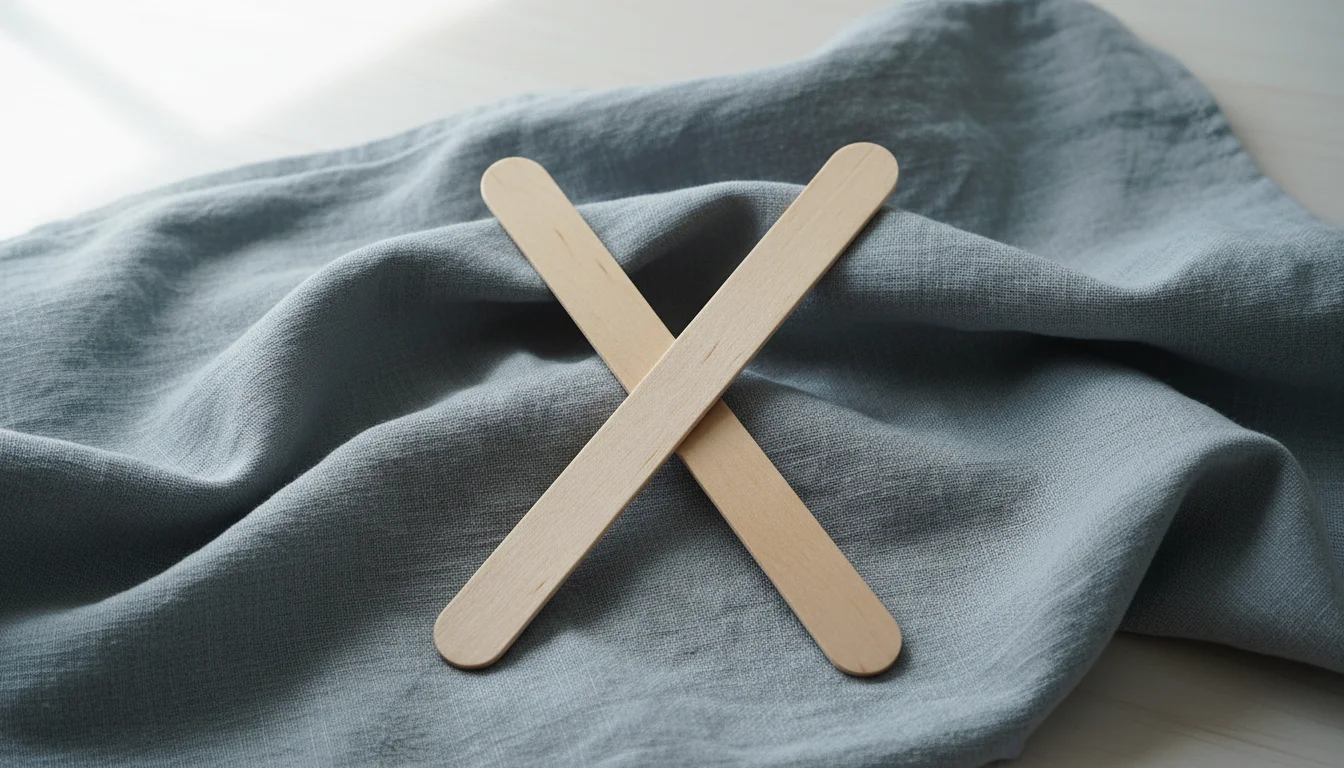
Anything that touches a client’s skin or the wax needs to be for single-use only. Period. I’m talking about the wax applicators (your wooden spatulas), waxing strips for soft wax, cotton pads, and especially the technician’s gloves.
For a hard wax service, that means you’re grabbing a new wooden spatula for every single swipe on the skin. If you’re waxing a big area like a back, you could easily burn through a dozen spatulas in one session, with each one hitting the trash after it touches skin. For soft wax, the paper or cloth strips are obviously tossed immediately. Your technicians should be putting on fresh, disposable gloves for every client and changing them mid-service if they touch something they shouldn’t (like their phone or an unsanitized cart handle). Gloves are your main shield against blood and other infectious materials, a standard from the Occupational Safety and Health Administration (OSHA) Bloodborne Pathogens Standard (29 CFR 1910.1030) that absolutely covers what we do.
Pro Tip: Don’t be cheap, stock lots of applicator sizes. Wide spatulas for backs and legs, and tiny precision ones for detailed work like facial waxing, let your techs work fast without breaking the single-use rule by trying to make one big spatula do too many jobs. You also need a rock-solid supply chain for all these disposables because running out during a Saturday rush is exactly when people get tempted to cut corners.
Common Mistake: Reusing a spatula on different body parts for the same client. You might think it’s safe, but you can easily transfer bacteria from one spot (like the underarms) to a more sensitive one (like the bikini line) on the same person and cause a nasty localized infection.
Smooth skin that lasts, the easy way
Expert waxing that leaves you smooth for weeks. Find a top-rated studio near you.
Find a Wax Center Near You →3. Implement Complete Pre- and Post-Service Skin Preparation
Even with perfect single-use habits, you need good skin prep. It’s a huge part of your hygiene protocol. Before you lay down any wax, you have to thoroughly cleanse and disinfect the client’s skin. This gets rid of surface oils, makeup, sweat, and any random bacteria that could get pushed into open follicles during the wax and cause post-wax bumps or infections.
You should be using a quality pre-wax cleanser, usually with something like witch hazel or alcohol, applied with a fresh cotton pad or wipe. Then, after the service, a soothing post-wax oil or lotion is necessary to calm the skin, bring down redness, and get off any sticky wax bits. You apply those with fresh disposables, too. Think a new lint-free wipe for the cleanser and a different clean cotton pad for the oil. This process gets the skin ready for the service and helps protect it afterward. The American Academy of Dermatology Association is always talking about gentle cleansing and moisturizing for skin health, and that advice applies perfectly to getting skin ready for and recovering from a wax.
Pro Tip: Get your clients involved. Teach them about good pre-wax care at home, like gently exfoliating a day or two before they come in, and what to do post-wax, like steering clear of hot tubs or sweaty workouts for 24 hours. When they’re part of the team, your in-studio efforts work better and they’re far less likely to have a bad reaction.
Common Mistake: Rushing or skipping the pre-cleanse because a client says they “just showered.” Skin that was clean an hour ago can still have sweat, bacteria, or lotion on it that will mess with wax adhesion and raise the risk of infection.
4. Maintain Impeccable Workstation Sanitation Between Clients
It’s not just the stuff that touches the client. Your entire workstation has to be stripped down and disinfected between every single appointment. I mean everything: the waxing table, your supply trolley, the mag lamp, and even the product bottles you grabbed during the service.
Every surface gets wiped down with an EPA-registered disinfectant that kills bacteria, viruses, and fungi. And you have to follow the instructions, pay attention to the “contact time” on the label, which is the amount of time the surface needs to stay wet for the disinfectant to actually work (sometimes it’s 5 or 10 minutes). You’re also changing out disposable paper on the waxing bed for every client. Any non-disposable tools, like the tweezers you use for stubborn stray hairs, have to be properly cleaned and then disinfected or sterilized based on professional standards. Groups like the National Interstate Council of State Boards of Cosmetology (NIC) have very specific guidelines for salon and spa sanitation, including exactly how to disinfect your station.
Pro Tip: Give your staff a laminated checklist for the client changeover. It keeps everyone consistent and accountable. You could even use color-coded cleaning cloths (e.g., blue for the bed, green for the cart) so you’re not accidentally wiping the trolley with the same cloth you used on a dirtier surface.
Common Mistake: Grabbing a multi-purpose cleaner instead of a real, EPA-registered disinfectant. A simple cleaner might make the table look clean by wiping away dirt, but it won’t kill the pathogens you can’t see. Always check the label for what it kills and how long it takes.
5. Ensure Proper Disposal of All Used Materials
The last piece of the single-use puzzle is getting rid of the trash correctly. Every disposable item that touched skin or body fluids (even a microscopic amount) goes straight into a lined, covered trash can. No exceptions.
That means used spatulas, wax strips, cotton pads, and gloves are all binned immediately. If you’re using anything that could be considered biohazardous waste, like lancets for ingrown hairs (which is a whole other debate), they must go into a proper, puncture-resistant sharps container. The trash cans themselves need to be emptied often during the day and always relined. Good disposal habits keep the salon looking and smelling clean, and they protect your cleaning crew and the public from any potential contaminants. State health boards, like the Georgia Department of Public Health, have specific rules about waste management in salons that you have to follow.
Pro Tip: Put the trash cans right next to the workstation so it’s easy for the tech to toss things immediately. This stops used stuff from piling up on a cart or table, which is just asking for something to get contaminated or used by mistake.
Common Mistake: Letting the trash can overflow or forgetting to use a liner. An overflowing bin is just a new source of contamination, completely defeating the purpose of all your hard work.
A serious commitment to a single-use waxing philosophy is what separates a safe, professional service from a risky one. By sticking to these practices, you prevent cross-contamination and build the kind of trust that keeps clients coming back, knowing every service they get is perfectly clean.
Why is “no double-dipping” so critical in waxing?
Double-dipping is when you put a used wax stick back in the wax pot. It’s a huge problem because it transfers bacteria, skin cells, and germs from a client directly into the main supply of wax. That contaminated wax can then give the next client a nasty infection or skin reaction.
What types of disposable items should be used in a professional waxing service?
A pro service should be using a ton of disposables. Think wooden wax spatulas, paper or cloth waxing strips for soft wax, cotton pads for skin prep, and of course, gloves for the technician. Every single one of these items gets thrown out after being used on one client.
Does the hot temperature of the wax kill all bacteria, making double-dipping safe?
No, that’s a dangerous myth. Wax is kept at a temperature that makes it the right consistency to apply, not to sterilize it. While the heat might discourage some germs, it won’t kill everything instantly. A used stick will contaminate the pot, making double-dipping totally unsafe.
How often should a waxing workstation be sanitized?
The entire waxing workstation, bed, carts, lamps, product bottles, has to be completely sanitized and disinfected between every single client. You have to use an EPA-registered disinfectant to make sure it’s clear of any germs before the next person walks in the door.
What is the proper way to dispose of used waxing materials?
All used disposables like spatulas, strips, cotton, and gloves must go directly into a trash can that is lined and has a lid. If you use any sharps (like lancets), they need their own designated sharps container. Bins should be emptied frequently to keep the area clean and safe.


