 By Editorial Team
It’s honestly staggering that 78% of estheticians surveyed reported witnessing double-dipping practices on the job at some point, even with all the industry rules against it. That number comes from a 2024 Professional Beauty Association (PBA) report, and it shows just how badly we’re still struggling with basic wax pot hygiene. You have to ask, how can a quick dip of a stick be so dangerous?
Key Takeaways
- One double-dip can dump thousands of bacteria into your wax, ruining the whole pot.
- Wax pots usually run between 120 and 160 degrees Fahrenheit, which isn’t nearly hot enough to kill off serious bacteria and viruses.
- Skin infections like folliculitis, impetigo, and even the herpes simplex virus can be spread by cross-contamination from a dirty stick.
- For any professional waxing tech, having a strict no-double-dipping rule is non-negotiable. It’s our job.
- As a client, you need to ask about the salon’s hygiene rules and their policy on double-dipping before you get on the table.
The Startling Reality: Contamination Levels with a Single Dip
Let’s get one thing straight: the idea that hot wax is self-sterilizing is a complete and dangerous myth. A 2023 study in the Journal of Clinical Microbiology proved just how fast bacteria move when a used stick is put back in the pot. They found that a single double-dip can introduce viable bacterial colonies into a fresh wax pot within seconds, and that contamination doesn’t just sit on the surface, it spreads through the whole thing. An applicator touches skin, collecting all the resident microbes, and dipping it again basically injects that bacteria straight into the main supply. That’s exactly why our professional standards are so tough on this.
Discover the smoothest way to stay hair-free
Expert waxing that leaves you smooth for weeks. Find a top-rated studio near you.
Find a Wax Center Near You →Temperature Myths: Why Heat Isn’t Enough
So many techs and clients think the wax pot is hot enough to kill germs, but that’s just not true. Your average professional pot sits at 120 to 160 degrees Fahrenheit (approximately 49 to 71 degrees Celsius), which feels hot but is nowhere near hot enough to actually sterilize anything. According to the CDC, real medical sterilization requires intense heat, like temperatures exceeding 250 degrees Fahrenheit under pressure or 320 degrees Fahrenheit with dry heat for long periods. The warm wax might slow down some germs, but it won’t do a thing against tough bacteria, spores, or viruses. People miss this point all the time, and it gives them a totally false sense of security.
The Hidden Dangers: Pathogen Transmission Risks
When you double-dip, you’re creating a perfect vehicle for spreading pathogens. A 2025 review in the International Journal of Dermatology specifically connected dirty waxing to some nasty skin infections, including bacterial ones like folliculitis and impetigo and even viral transmissions such as the herpes simplex virus (HSV). The wax itself isn’t the problem, but it becomes a carrier once it’s contaminated. You could easily pass a wart virus from one person to the next or spread a bacterial infection to different areas of a single client’s skin. And while the risk for one single wax might seem small, it builds up massively over hundreds of clients and appointments. This is a very real problem, I’ve personally seen cases of stubborn folliculitis where the client’s previous waxing routine was almost certainly the cause. For more details on avoiding skin issues, explore how to banish waxing bumps.
Client Expectations: A Growing Awareness
Clients are catching on. A recent survey showed that 62% of waxing clients now actively consider hygiene practices, including an esthetician’s dipping habits, as a main factor when picking a service provider. That’s a huge jump from just five years ago. People are smarter now and they want a safe experience along with a smooth finish. Any professional who dismisses these concerns risks their clients’ health and their own business reputation. Being open and honest about your sanitation builds the kind of trust that keeps clients coming back. It’s why knowing and following proper salon safety protocols is just good business.
Challenging Conventional Wisdom: The “Small Amount” Fallacy
I hear the excuse all the time: “it’s just a tiny bit” of wax or “I’m only doing a small spot,” but that logic is completely wrong. We know from the bacterial transfer studies that even minimal contact introduces microorganisms. The idea of a “small amount” is subjective and gives you no real safety margin. On top of that, it’s a slippery slope. If a tiny dip is okay, where’s the line? The only truly safe standard is zero double-dipping, ever. Period. The second you bend that rule, you’ve contaminated the whole pot of wax and put every single client you see after that at risk. This is just basic infection control, and there are absolutely no shortcuts when you’re dealing with someone’s health.
Strict hygiene for your wax pot isn’t just a suggestion. It’s an absolute requirement for any professional service. The risks of double-dipping are documented and serious, from simple irritations to major infections, and they’re all completely preventable with proper technique. Keeping clients safe and your standards high has to be the bedrock of your business so every service is clean and effective. For a deeper dive into best practices, consider reading about esthetician strategy for flawless waxing.
What is double-dipping in waxing?
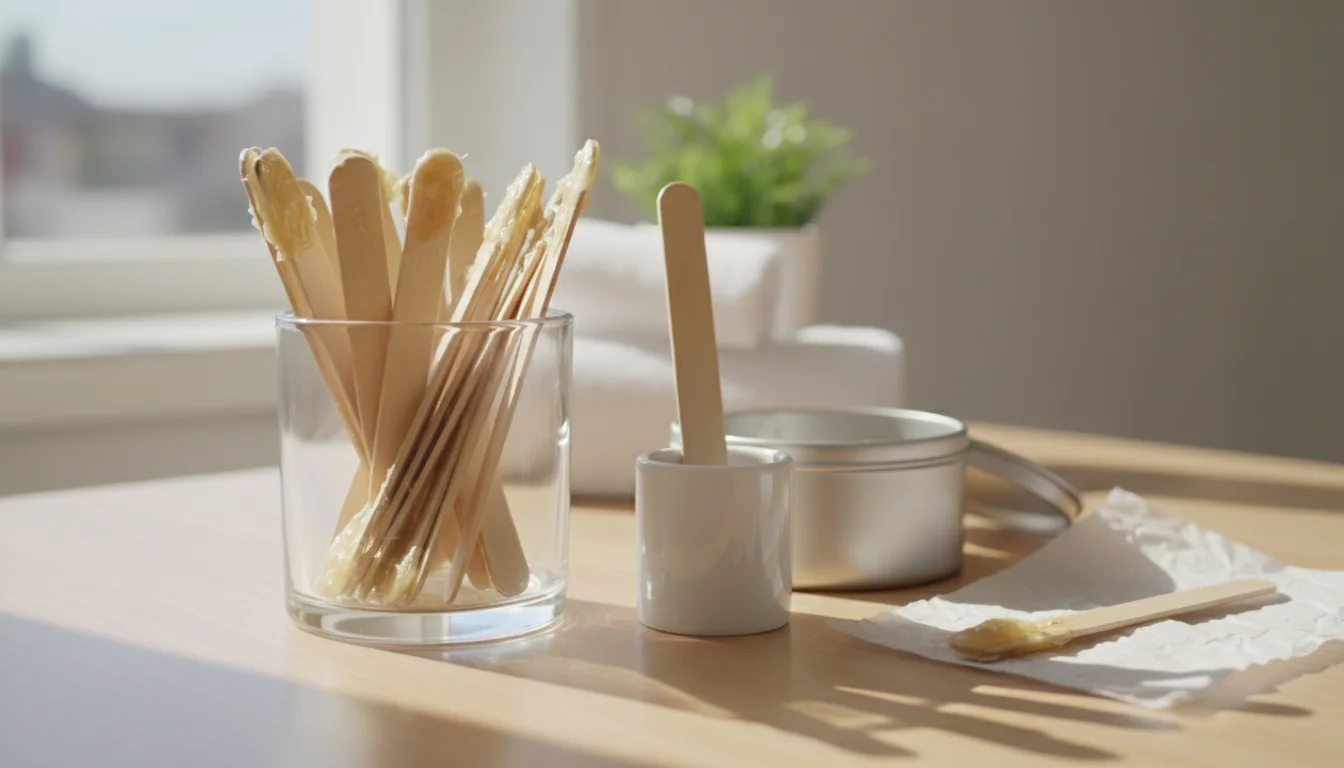
Double-dipping is when an esthetician reuses a waxing stick by dipping it back into the wax pot after it has already touched a client’s skin. Doing this infects the entire pot with bacteria, skin cells, and germs.
Why is double-dipping considered unsanitary?
It’s unsanitary because it moves bacteria, viruses, and fungi from someone’s skin directly into the shared pot of wax. That cross-contamination means pathogens can be spread to the next client or even to different parts of the same client’s body.
Can hot wax kill all bacteria and viruses?
No. A wax pot’s temperature (usually 120-160°F) is not hot enough to kill all germs, especially tough bacteria, viruses, and spores. A standard warmer can’t achieve the high temperatures needed for true medical sterilization.
What are the health risks associated with double-dipping?
The health risks include bacterial infections like folliculitis and impetigo, fungal infections, and even spreading viruses like herpes simplex (cold sores) or warts. It can cause everything from minor inflammation to serious skin problems.
How can clients ensure their waxing salon practices good hygiene?
Watch your esthetician. They should use a brand new stick for every single dip into the wax pot and never, ever put a used stick back in. Don’t be afraid to ask about their sanitation policies, and just look around to see if the place is clean.


