 By Editorial Team
Nothing tanks a client’s trust faster than a questionable towel. Providing a comfortable and safe waxing experience starts with having impeccable fresh linens and iron-clad hygiene protocols. Your entire reputation hangs on this commitment to cleanliness, and it’s what determines whether a client comes back. So how do you build a towel and linen policy that doesn’t just check the boxes on hygiene standards but actually gives both you and your clients real peace of mind?
Key Takeaways
- Set up a serious multi-stage laundry process: pre-treat stains, wash everything in hot water (at least 140°F / 60°C), and use high-heat drying to kill any pathogens.
- One client, one set of linens. No exceptions. Store fresh towels and sheets in sealed containers to keep them pristine and avoid cross-contamination.
- Have a clear system for getting used textiles out of the room immediately. They go into labeled, covered bins (think biohazard-safe) so they never touch clean stuff.
- Train every single staff member on how to handle, store, and get rid of linens, both clean and dirty. And drill them on hand hygiene.
- Do regular checks and keep records of your linen management, like logging the water temps for laundry cycles, to prove you’re following health codes and your own rules.
1. Establish a Dedicated Linen Flow System
Think of your linen’s journey as a one-way street, with zero chance for cross-contamination. This is a hardcore infection control measure. We do this by setting up dedicated zones in the studio: a “Clean Linen Storage” spot, a “Client Treatment Zone,” and a “Soiled Linen Collection Point.” These areas need to be physically separate, maybe even with different entry and exit paths for staff, to cut down on traffic between dirty and clean spaces. Health inspectors, like those from the Georgia Department of Public Health, are always looking for proper segregation of clean and soiled materials because they know how easily skin pathogens can spread if you get lazy with your protocols.
You need to invest in enclosed, non-porous cabinets or shelving for all your fresh linens. Open shelves are a no-go. They just invite dust and whatever else is floating in the air to settle on your clean textiles. Wipe down the inside of those cabinets weekly with an EPA-registered disinfectant. The entire point is keeping those linens perfect right up until you lay them out for a client. This diligence protects your clients, and it protects your business from getting hit with health code violations or a bad online review.
2. Implement Strict Single-Use Policy for All Textiles
This is a hard and fast rule: every client gets a completely fresh set of linens and towels. And I mean everything, the big sheet on the bed, hand towels, headbands, any piece of cloth that touches their skin. The second a service is over, all those items go straight into the soiled bin. Reusing a towel, even if it looks perfectly clean, for the next client is just asking for bacterial or fungal transfer. This is a foundational principle in public health guidelines for personal care services across the United States. As the Centers for Disease Control and Prevention (CDC) consistently shows, contaminated textiles are a common way skin infections spread in shared environments like ours.
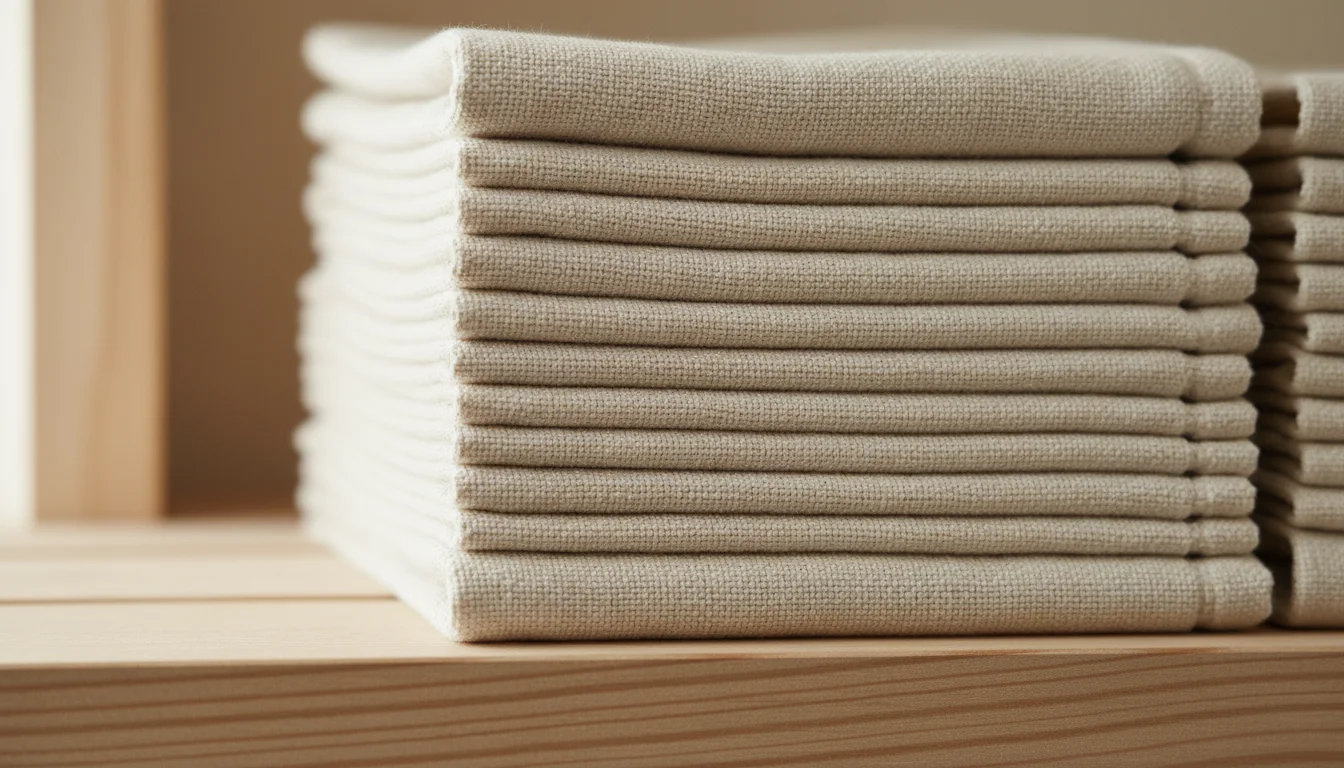
Pay attention to the textiles you’re buying. Good quality cotton or microfiber blends are my go-to because they’re absorbent and can handle a ton of high-heat wash cycles without falling apart. Stay away from anything too decorative or with a heavy texture that could be a pain to get completely clean. The feel of fresh, soft linen is also a huge part of the client’s experience and how they judge your studio’s overall hygiene, a small detail that has a big effect on their waxing comfort.
3. Detail the Multi-Stage Laundering Protocol
Proper laundering is all about disinfection, not just getting out stains. Our protocol has a few key stages that make sure textiles are genuinely sanitized, and it’s a lot more intense than what you’d do at home.
Smooth skin that lasts, the easy way
Expert waxing that leaves you smooth for weeks. Find a top-rated studio near you.
Find a Wax Center Near You →3.1 Pre-Treatment and Segregation
The moment they’re done, soiled linens go straight into covered bins that are clearly labeled. These bins should be leak-proof and have a foot pedal so you’re not touching them with your hands. Before they hit the wash, we pre-treat any gnarly spots, especially anything with product residue or body fluids, using a stain remover or an enzymatic pre-soak to break down the organic stuff. And you absolutely never, ever shake out or sort dirty linens in the treatment rooms or hallways, that just throws potential germs into the air. They go directly to the laundry area in their sealed bins.
3.2 High-Temperature Washing
The wash cycle is the main event for disinfection. We use commercial-grade machines that can hit and hold a specific temperature, because the water has to get to at least 140°F (60°C) during the main wash to do the job right. That heat, along with a good detergent, is what kills off the common bacteria and viruses we deal with. The Occupational Safety and Health Administration (OSHA) even points to wash temperatures as part of bloodborne pathogen standard compliance where there’s potential exposure. We actually log our water temps for every cycle which creates a paper trail that proves our commitment to hygiene standards if an inspector ever asks.
The detergent you choose makes a difference, too. We go for industrial-strength, hypoallergenic kinds that can cut through wax and oil without leaving behind residue that could irritate a client’s skin. Bleach is a great disinfectant, but we use it carefully and properly diluted so it doesn’t wreck the fabric or cause skin issues. If you use colored linens, a non-chlorine bleach alternative is probably a better bet.
3.3 High-Heat Drying and Inspection
After washing, linens go right into a high-heat drying cycle. Our commercial dryers get hot enough to provide another layer of disinfection and, just as important, get the linens bone dry. Any bit of dampness is an invitation for mold and mildew to grow. Once they’re dry, every single item gets inspected by hand. We’re looking for leftover stains, rips, or any wear and tear. Anything that isn’t perfect gets pulled from circulation. This inspection is mandatory. A frayed towel or a sheet with a faint stain just screams unprofessional and ruins the client’s perception of your studio.
4. Implement Secure Storage and Handling of Clean Linens
Okay, so once your linens are washed, dried, and inspected, you have to store them so they stay that way. They need a dedicated, clean, dry, and enclosed spot, far from any contamination. We use sealed, opaque containers or linen closets with doors that shut tight. These storage areas are never in a bathroom, a chemical closet, or anywhere near waste bins. You want good air circulation, but you can’t have them just sitting out in the open collecting dust.
When a staff member grabs linens for a client, they have to have clean hands or be wearing gloves. They only take the exact items needed for that one service. We have a strict rule: you never take extra linens into a treatment room and then put them back in clean storage if they go unused. Why? The moment a “clean” linen enters the treatment space, you have to assume it’s been exposed. Once it leaves the clean closet, it’s either used on the client or it goes straight into the dirty bin. This is how we maintain our hygiene standards without compromise.
5. Detail Staff Training and Adherence Protocols
The best policies in the world are useless if your staff isn’t trained on them and doesn’t follow them. Every person on our team, from a brand new hire to an old pro, gets full training on our towel and linen policy. This training covers:
- The importance of hygiene and preventing cross-contamination.
- Step-by-step procedures for handling clean linens.
- Immediate and proper disposal of soiled linens.
- Specific instructions for operating laundry equipment, including temperature settings and chemical handling.
- The correct use of personal protective equipment (PPE), like gloves, when handling soiled items.
And training is an ongoing thing. We run refresher courses every quarter and anytime a policy changes. We do hands-on demonstrations and watch staff practice so we know they’ve got it down. The real goal is to build a culture where everyone gets that they’re personally responsible for upholding these standards, because it’s a fundamental part of providing a safe and comfortable environment. We also keep detailed training logs for every employee, which is just good practice and something you’ll want to have for any health and safety review.
6. Implement Regular Auditing and Documentation
You have to do regular audits and keep good records to make sure you’re staying compliant and to catch any weak spots in your system. This is pure quality assurance. Our auditing process includes:
- Daily visual checks: Are the soiled linen bins getting emptied on time? Is the clean linen closet neat and properly closed?
- Weekly detailed inspections: We review laundry logs to check temperature compliance, look over the laundered items for wear and tear, and check how clean the storage areas are.
- Monthly complete audits: This is a deep dive into the whole system, from where we buy linens to how they’re finally thrown out, and it includes talking to staff to see if they really understand and follow the policies.
We document every audit finding and any fixes we make. These records provide a history of our commitment to hygiene standards, help us spot any repeating problems, and are exactly what you need to show a health inspector. For example, keeping a simple log of your detergent and disinfectant use, including their expiration dates, can be a lifesaver. This kind of hands-on approach makes sure our linen policy is always working and consistently meeting the highest standards for client safety.
An iron-clad towel and linen policy isn’t optional. It’s the foundation of great service and what earns you a client’s trust.
Why do I need a “linen flow system”?
It’s all about preventing cross-contamination. Having separate zones for clean, in-use, and dirty linens means clean stuff never touches dirty stuff, which keeps clients safe and your hygiene on point. It creates a one-way path that protects everyone.
What’s the right water temperature for sanitizing linens?
You need to wash linens in water that hits at least 140°F (60°C) during the wash cycle. That high temperature, plus a good detergent, is what you need to kill pathogens and meet real hygiene standards.
Can I reuse a towel if it looks clean?
Absolutely not. You need a strict one-client-one-towel policy. A towel might look clean, but it can still carry invisible bacteria or pathogens from the last client. Reusing it is a huge cross-contamination risk and just bad practice.
What’s the best way to store clean linens?
Store them in a clean, dry, and totally enclosed space, like in sealed cabinets or a closet with a door that closes tightly. This protects them from dust, airborne germs, and any other contaminants until you’re ready to use them.
What should I cover in staff training for linen hygiene?
Your training has to cover why hygiene is so important, the exact steps for handling clean and dirty linens, how to run the laundry machines correctly (including temps), and when to use PPE like gloves. And it can’t be a one-time thing, do regular refreshers to make sure everyone stays sharp.


