 By Editorial Team
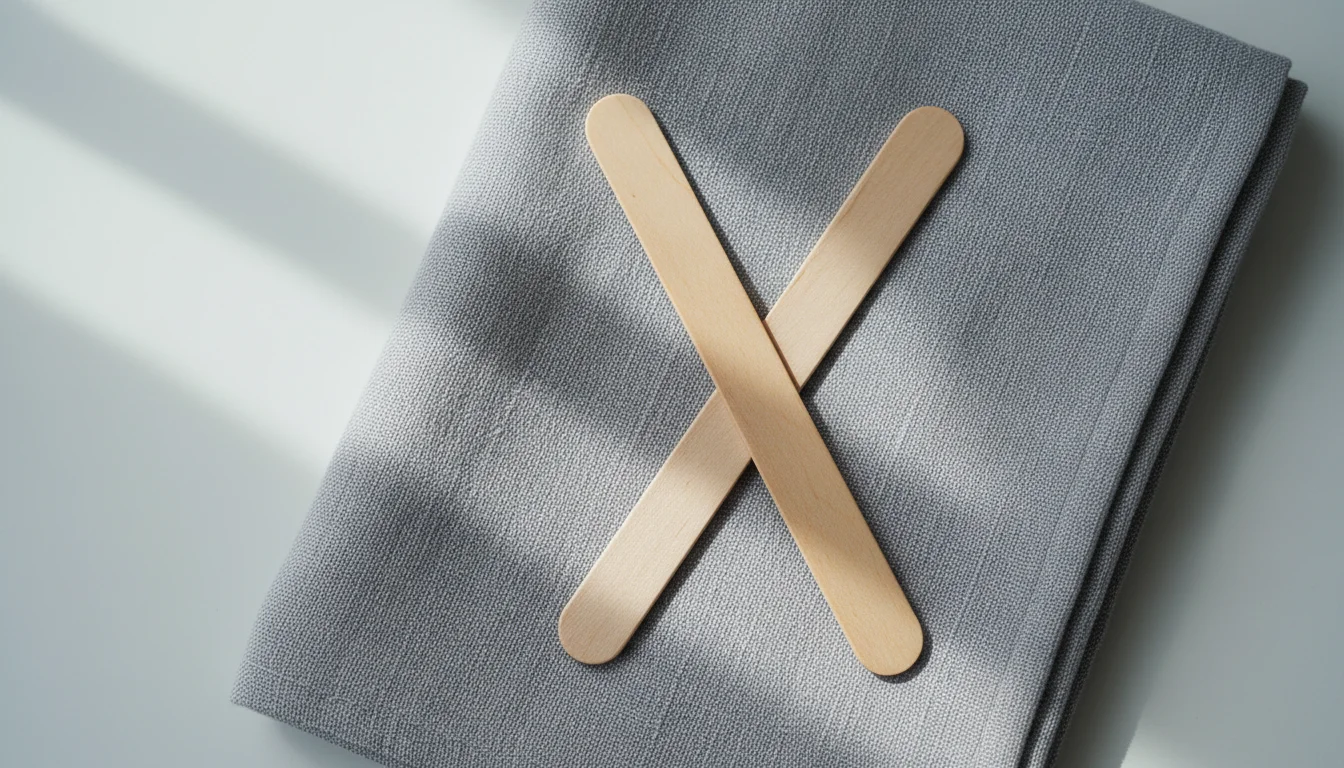
There’s so much bad information floating around about personal care, especially waxing hygiene. I’ve seen it all, clients who think it’s fine to reuse a stick and even some estheticians who should know better, clinging to old, unsafe habits like double-dipping. Let’s be clear: using single-use applicators is the absolute bedrock of a safe hygiene practice, and it’s the only way to prevent cross-contamination and keep clients safe.
Key Takeaways
- Watch your esthetician like a hawk. They must use a brand-new, disposable applicator for every single dip they take into the wax pot. No exceptions.
- Make sure you see them open a new, sealed package of tools before your service begins. That’s how you know they’re starting fresh and clean.
- Don’t be fooled into thinking hard wax is somehow exempt from the rules, it’s not. It needs the same strict, no-double-dipping protocol with single-use applicators to stay hygienic.
- “Double-dipping” is when a used stick goes back into the main wax supply, and you need to understand this turns the whole pot into a petri dish for bacteria from someone else’s skin.
Myth 1: Hard Wax Doesn’t Need Single-Use Applicators Because It Encapsulates Hair
This is a myth that needs to die. The idea that hard wax magically cleans itself just because it wraps around the hair and lifts off without a strip is completely wrong. Hard wax is still just wax, and it becomes a perfect carrier for bacteria if you don’t handle it properly. When a technician uses an applicator on your skin and then puts that same stick back into the pot, they are transferring your skin cells, sweat, bacteria, and even microscopic amounts of blood directly into the wax that will be used on the next person. The wax has no special antimicrobial powers to fight this off. In fact, a study in the Journal of Clinical and Aesthetic Dermatology confirmed the high risk for bacterial transfer in salons that don’t follow single-use protocols. The way hard wax works physically doesn’t change the biological fact of germ transmission. Every dip requires a new stick.
Myth 2: “Double-Dipping” is Only a Problem with Soft Wax
“Double-dipping” means taking a wax stick, applying wax to a client, and then dipping that same stick back into the pot for more. This is a massive hygiene violation, and it doesn’t matter what kind of wax is being used, soft, hard, or even sugar paste. The second an applicator touches skin, it’s contaminated with microorganisms. Sticking it back into the main container turns that entire pot into a warm, welcoming soup for bacteria, viruses, and fungi that can be spread to every client after you. Think about what that means in reality: folliculitis (those angry red bumps), staph infections, and worse if there’s any broken skin involved, which happens all the time in waxing. The Centers for Disease Control and Prevention (CDC) has clear guidelines about using single-use items to stop infection in personal care settings. This is a public health issue. A salon with any integrity will have an iron-clad policy against double-dipping for all its waxing tools.
Discover the smoothest way to stay hair-free
Expert waxing that leaves you smooth for weeks. Find a top-rated studio near you.
Find a Wax Center Near You →Myth 3: High Wax Temperatures Kill All Germs
Here’s another wrong idea: that the wax pot is hot enough to sterilize the wax and kill anything on a dipped applicator. That’s just not true. Most professional wax warmers hold the wax between 110-130°F (43-54°C), which is just warm enough to keep it melted. It’s nowhere near hot enough to kill tough bacteria, spores, or certain viruses. True sterilization, as defined by organizations like the U.S. Food and Drug Administration (FDA), requires intense heat and pressure (like in an autoclave) that a wax warmer could never achieve. Are some germs killed? Maybe. But relying on the wax temperature to keep you safe is a huge risk with your health. The only method that guarantees a clean application every time is the disciplined use of single-use applicators.
Myth 4: Pre-Packaged Applicators are Always Sterile
Sure, applicators might start out clean in their factory packaging, but that sterility is gone the second they’re handled improperly in the salon. One of the most common things I see is a tech opening a giant bag of 1000 sticks and just leaving it open on the counter, exposed to dust, airborne particles, and everything else in the room. That defeats the whole purpose. Applicators should be kept in a covered, clean container and only taken out one at a time, right before they’re dipped. The technician should also have clean, gloved hands when they reach for a new one. Just because it came out of a plastic bag an hour ago doesn’t mean it’s still clean. How you store and handle those applicators is just as important as buying them in the first place.
Myth 5: Reusing Applicators for the Same Client is Acceptable
People sometimes think it’s okay to double-dip if you’re only working on one client. “It’s their own germs, right?” Wrong. This still breaks best practices because you can cause auto-contamination. For instance, if an esthetician uses a stick on a client’s bikini area and then dips it back into the pot to use on their upper lip, they can easily transfer bacteria from one part of the body to a completely different one. This can cause breakouts, irritation, or a full-blown infection. The rule for single-use applicators is simple: one dip, one swipe on the skin, and then it goes directly into the trash. It keeps the wax pot clean for every single application, even on the same person, by preventing dead skin and bacteria from being mixed back in. It’s a simple action with a huge impact on the overall hygiene practice.
Myth 6: Single-Use Applicators are an Unnecessary Expense
This excuse comes from business owners who are only looking at the pennies they can save today, not the long-term health of their business and clients. Buying boxes of single-use applicators isn’t an “extra” expense. It’s a basic cost of doing business, just like paying for the wax itself or the rent on your studio. The price of a few wooden sticks is nothing compared to the cost of a lawsuit from a client who got a staph infection, the damage from a flood of one-star reviews, or the lost trust that will empty your appointment book. And clients are smarter than ever about hygiene. They look for clean salons and are happy to pay for the peace of mind that comes with it. When a client sees you visibly using a fresh stick for every dip, it builds instant confidence and loyalty. It’s an investment in your reputation and success.
At the end of the day, safe waxing comes down to the consistent, non-negotiable use of single-use applicators. As a client, you should be able to see your technician grab a fresh stick every single time they go into the wax pot, it’s the most obvious sign that you’re in the hands of a professional.
What does “single-use applicator” actually mean?
It means after a waxing stick touches a client’s skin one time, it’s immediately thrown away. It is never, under any circumstances, dipped back into the wax pot or used again anywhere else.
How can I spot if a waxing salon has good hygiene?
Use your eyes. The technician should be wearing gloves (and changing them between clients) and opening new tools. Most importantly, watch them work: they must grab a fresh applicator for every dip into the wax. The area should also look clean and organized, not cluttered and messy.
Is it okay to ask my waxer about their safety rules?
Yes, and you absolutely should. Any true professional will be happy you asked and can easily explain their cleaning procedures and their firm policy on using single-use applicators.
What are the real risks if they don’t use single-use applicators?
The risks are serious and include bacterial infections like folliculitis or staph, fungal infections, and the possible transfer of bloodborne viruses if contaminated wax is used on another client who has even a microscopic break in their skin.
Are there options besides the wooden sticks?
Some salons use disposable plastic spatulas or other tools that are made to be used only once. The material itself isn’t the point. What matters is that the tool is thrown out after a single dip and application to the skin.


