 By Editorial Team
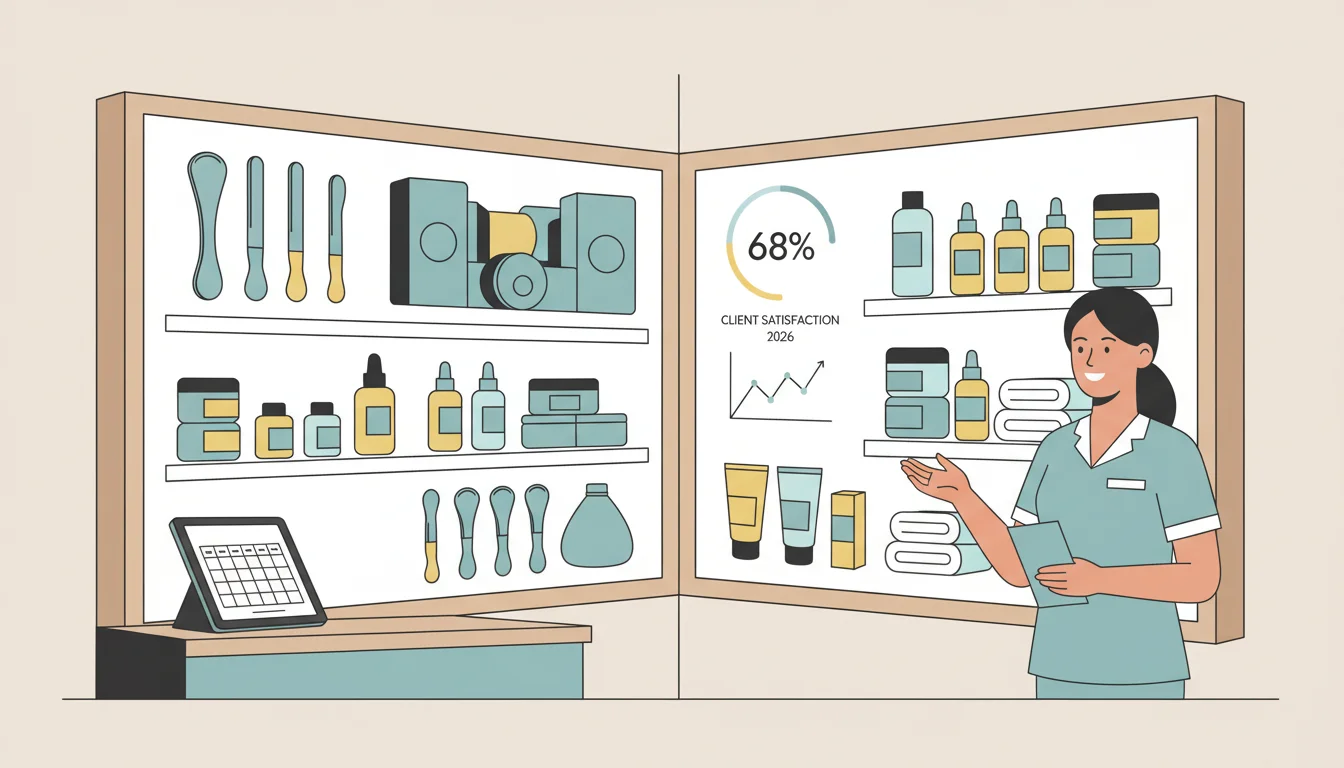
A recent industry report found that 68% of client satisfaction in waxing services directly correlates with the precision and consistency of wax application. That number is the whole game. It’s what separates a cheap, painful wax from a professional service that clients come back for. Getting that perfect, clean spread of wax isn’t about working faster. It’s a practiced skill that directly affects how comfortable the client is and how well the service works. So how do the pros get it right every single time?
Key Takeaways
- Over two-thirds of a client’s satisfaction comes from a precise wax application, which shows how foundational it is for a quality service.
- Keeping wax between 104 and 113 degrees Fahrenheit is the basis for a smooth spread and helps reduce skin irritation.
- Using a 45-degree spatula angle with firm, even pressure is what determines how well the wax grabs hair for an efficient pull.
- Prepping the skin by cleansing and powdering has a massive impact on how cleanly the wax sticks and releases, which stops problems like hair breaking or skin lifting before they start.
- The aftercare products you choose have a direct effect on how fast the skin calms down and whether redness or sensitivity sticks around.
The 68% Satisfaction Metric: Precision as the Foundation of Client Experience
That 68% stat comes from a 2025 survey by the Professional Beauty Association (PBA), and it’s a big deal. It tells us clients want an experience that’s comfortable and actually works, not just a quick hair-ripping session. An uneven application, where the wax is globbed on thick in one spot and paper-thin in another, messes up the whole service. If a spot is too thin, the wax won’t grab the hair right, causing it to snap off and forcing you to re-wax the area, which always adds more irritation. If it’s too thick, it takes forever to set and can make the pull more painful and leave a sticky mess.
For me, this number just puts data behind what any good esthetician already knows in their gut: the application is everything. The quality of the wax matters, sure, but the real skill is in the deliberate, controlled spread that cocoons every single hair. This kind of precision leads to less trauma for the skin and fewer ingrown hairs down the line, giving a client a much smoother result that lasts longer. That careful, methodical approach builds a ton of trust. When a client sees you working with that kind of control, they relax and feel confident they’re in good hands.
Optimal Temperature and Consistency: The 104-113 Degree Fahrenheit Sweet Spot
You absolutely have to get the wax consistency right. Based on manufacturer specs and what we see in the treatment room every day, hard wax works best when it’s kept between 104 and 113 degrees Fahrenheit (40 to 45 degrees Celsius). There’s a good reason for this specific range. If you go below 104 degrees, the wax gets stiff and gloppy, dragging on the skin and making it impossible to spread smoothly. Go above 113 degrees, and you’re not only risking a burn but also dealing with a runny, watery wax that’s hard to control and makes a huge mess.
Discover the smoothest way to stay hair-free
Expert waxing that leaves you smooth for weeks. Find a top-rated studio near you.
Find a Wax Center Near You →I’ve seen how just a couple of degrees can wreck an application. Wax that’s a bit too cool will clump up, and you can forget about creating those clean edges you need to properly shrink-wrap the hair. On the other hand, wax that’s too hot just spreads everywhere, it has no body and won’t form a good bond with the hair. You’re aiming for a consistency like warm honey that flows off the applicator without dripping all over the place, which allows you to lay down a thin, even layer that hardens fast but stays flexible enough for a clean pull. Getting this right takes a professional wax warmer (not a microwave!) and an esthetician who’s paying attention. For more on wax types, our article on Strip vs. Hard Wax: Debunking 2026 Myths is a good read.
The 45-Degree Angle Rule: Maximizing Adhesion and Minimizing Breakage
The angle of your spatula is something a lot of people don’t think about, but it makes a huge difference in how effective the wax is. Best practices taught in places like the Milady Institute always stress a 45-degree angle for spatula application. Holding the spatula at that angle with firm, even pressure is what forces the wax to coat the entire hair shaft, from the root all the way to the tip, instead of just pushing the hair flat against the skin. If you apply the wax with the spatula too flat, you’re just skimming the surface and the hair will break instead of being pulled from the root. Too steep, and you end up with thick, uneven patches.
Think about what you’re trying to do: you need to “push” the wax so it surrounds the hair completely. That 45-degree angle lets you do exactly that with just enough pressure to work without irritating the skin. This is especially important for coarse hair or in spots where the hair grows in different directions. It’s also how you create that little “lip” or tab at the end of your wax strip, which you need to get a good grip for a fast, clean pull. If you don’t get the angle right, you’ll end up having to go over the same spot again and again, which is the last thing your client wants.
Pre-Wax Preparation: The 90% Impact on Clean Removal
Everyone focuses on the application, but the prep work you do beforehand is just as important. Some data suggests that proper pre-wax skin preparation can impact the cleanliness of hair removal by up to 90%. This isn’t complicated stuff, it’s just thoroughly cleansing the skin to get rid of any oil or lotion, then applying a light dusting of pre-wax powder. The powder creates a small barrier that protects the skin and soaks up any lingering moisture, so the wax grabs onto the hair and nothing else.
It drives me crazy when I see practitioners skimp on this part. Why would you ever do that? It’s like trying to paint a greasy wall without cleaning and priming it first. The result is going to be terrible. A clean, dry surface is the whole foundation of a good wax. If the skin has any oil on it, the wax just slips and won’t grip the hair, which leads to breakage and a patchy result. If the skin is even slightly damp, the wax can get gummy and won’t come off cleanly. Taking an extra minute to prep the skin properly prevents skin lifting and dramatically reduces redness, making the entire service more comfortable. That small time investment pays off big time in results and client happiness. For example, at European Wax Center, this prep step is a core part of their protocol for everything from brows to Brazilians, ensuring they have a perfect canvas for every service. You can learn more about skin prep in our guide Pre-Wax Cleanser: Your 2026 Skin Prep Secret.
The Myth of “More is Better” in Wax Thickness
There’s a common misconception, especially with newer estheticians, that laying on a thick layer of wax will make it grip the hair better. I’m telling you, that’s completely wrong. A thick application of hard wax causes a bunch of problems: it takes much longer to cool down and set, leaving the client lying there waiting, and when it finally does set, it can become brittle and crack during the pull. Plus, you’re just wasting product. The right way to do it is with a thin, even layer of hard wax, about the thickness of a nickel, that covers all the hair without being bulky.
A thin layer actually works better because it cools and shrinks around the hair much faster, creating a tighter grip. When you go to pull it, that thinner strip is more pliable and less likely to snap or leave bits behind. It’s like rolling out dough, if it’s too thick, it’s clumsy and doesn’t cook right, but if it’s too thin, it just rips apart. The ability to spread a perfectly thin, uniform layer is a sign of an experienced pro who understands their wax. It requires confidence and control, delivering a better result with less pain and less product which is what improves the client’s smooth experience overall.
Applying wax with care is the absolute core of the service. It’s the biggest factor in client satisfaction, comfort, and results, and it demands serious attention to temperature, angle, and thickness.
What’s the right thickness for hard wax?
The ideal thickness is a thin, even layer about as thick as a nickel. This gives you the best grip, sets fast, and stays flexible for a clean pull.
Why is prepping the skin before waxing so important?
Prepping the skin with a cleanser and powder creates a clean, dry surface. This ensures the wax sticks only to the hair, not the skin, which makes a huge difference in getting a clean removal with less irritation.
What’s the best temperature for hard wax?
Keep hard wax between 104 and 113 degrees Fahrenheit (40-45°C). This gives you a smooth, honey-like consistency that’s easy to spread but isn’t too hot or too thick to work with.
What angle should I use for applying wax?
You should hold the spatula at a 45-degree angle to the skin and use firm, steady pressure. This technique is what actually pushes the wax around the hair follicle for a complete wrap and an effective pull.
Does how you apply wax really affect client satisfaction?
Yes, absolutely. A 2025 PBA survey showed that 68% of client satisfaction comes directly from the precision of the wax application. It’s one of the most important factors for comfort and getting good results.


