 By Jordan Hudson
Key Takeaways
- Implement a dedicated software solution like Vagaro or Schedulicity for all appointment scheduling to reduce no-shows by up to 20%.
- Allocate specific blocks of time each day for administrative tasks, client consultations, and actual waxing services to prevent schedule creep.
- Standardize service times for common waxing procedures (e.g., 15 minutes for eyebrows, 30 minutes for a Brazilian) and communicate these clearly to clients.
- Integrate automated client reminders via SMS and email to significantly decrease late arrivals and missed appointments.
- Conduct a quarterly review of your schedule efficiency, identifying bottlenecks and adjusting service durations based on real-world data from your booking system.
As a waxing professional, I’ve seen firsthand how a chaotic calendar can derail even the most talented esthetician. The secret to thriving, not just surviving, in this fast-paced industry lies in building an efficient schedule. This isn’t just about fitting more clients in; it’s about reducing stress, maximizing income, and ensuring every client receives top-tier service. Are you truly in control of your time, or is your schedule controlling you?
The Foundation: Understanding Your Time & Services
Before we even think about digital tools or fancy strategies, we have to grasp the raw materials: your time and your services. Many waxing education programs focus heavily on technique, product knowledge, and client communication — all vital, no doubt. But they often gloss over the critical skill of time management. I learned this the hard way during my first year at “The Waxing Sanctuary” in Buckhead, Atlanta. I was constantly running late, feeling perpetually behind, and my clients, bless their hearts, were starting to notice. The problem wasn’t my waxing skills; it was my inability to accurately estimate and allocate time.
To fix this, I began a rigorous audit. For two weeks, I meticulously tracked every single appointment, noting not just the scheduled time but the actual start and end times, including prep and cleanup. I discovered that while I thought a Brazilian took 30 minutes, it was often closer to 35-40 minutes with a new client, or 25 minutes with a regular. This discrepancy, compounded over multiple appointments, created a domino effect of delays. The takeaway here is simple but profound: know your real service times. This isn’t a one-time exercise; client needs evolve, your speed improves, and new services emerge. I recommend revisiting this audit quarterly. Use a simple spreadsheet or, even better, the reporting features within your scheduling software to pull this data. Don’t guess; measure.
Strategic Scheduling: From Blocks to Buffers
Once you understand your actual service durations, the next step is to build a schedule that respects those realities. This means moving beyond a simple “first come, first served” mentality. I advocate for a block scheduling approach. Divide your day into specific blocks for different types of activities. For example, I dedicate my mornings (9:00 AM – 12:00 PM) to larger services like full leg or Brazilian waxes, when my energy levels are highest. After a short, structured break, afternoons (1:00 PM – 5:00 PM) are for smaller, quicker services like brows, underarms, or touch-ups. This helps maintain a rhythm and prevents the mental fatigue of constantly switching gears.
Crucially, you must incorporate buffer time. This is non-negotiable. I always add a 5-10 minute buffer between every appointment, especially for new clients or complex services. This isn’t wasted time; it’s sanity time. It allows for unexpected questions, a quick bathroom break, sanitizing your station thoroughly, or even just a moment to breathe. Think of it as your insurance policy against the inevitable curveballs of a busy day. Without it, one slightly late client throws off your entire afternoon. A Statista report from 2023 indicated that client satisfaction is heavily influenced by perceived wait times and attentiveness. A calm, unhurried professional makes a far better impression than one who is visibly stressed and rushing.
Consider also the strategic placement of your lunch break. Instead of just slotting it in wherever there’s a gap, I actively schedule it. For me, 12:00 PM to 1:00 PM is sacred. It’s when I eat, respond to pressing emails, and recharge. This structured approach prevents me from skipping meals or feeling overwhelmed. To further refine your approach, consider exploring different waxing frequencies to better manage client flow.
Discover the smoothest way to stay hair-free
Expert waxing that leaves you smooth for weeks. Find a top-rated studio near you.
Find a Wax Center Near You →Leveraging Technology: The Power of Smart Scheduling Software
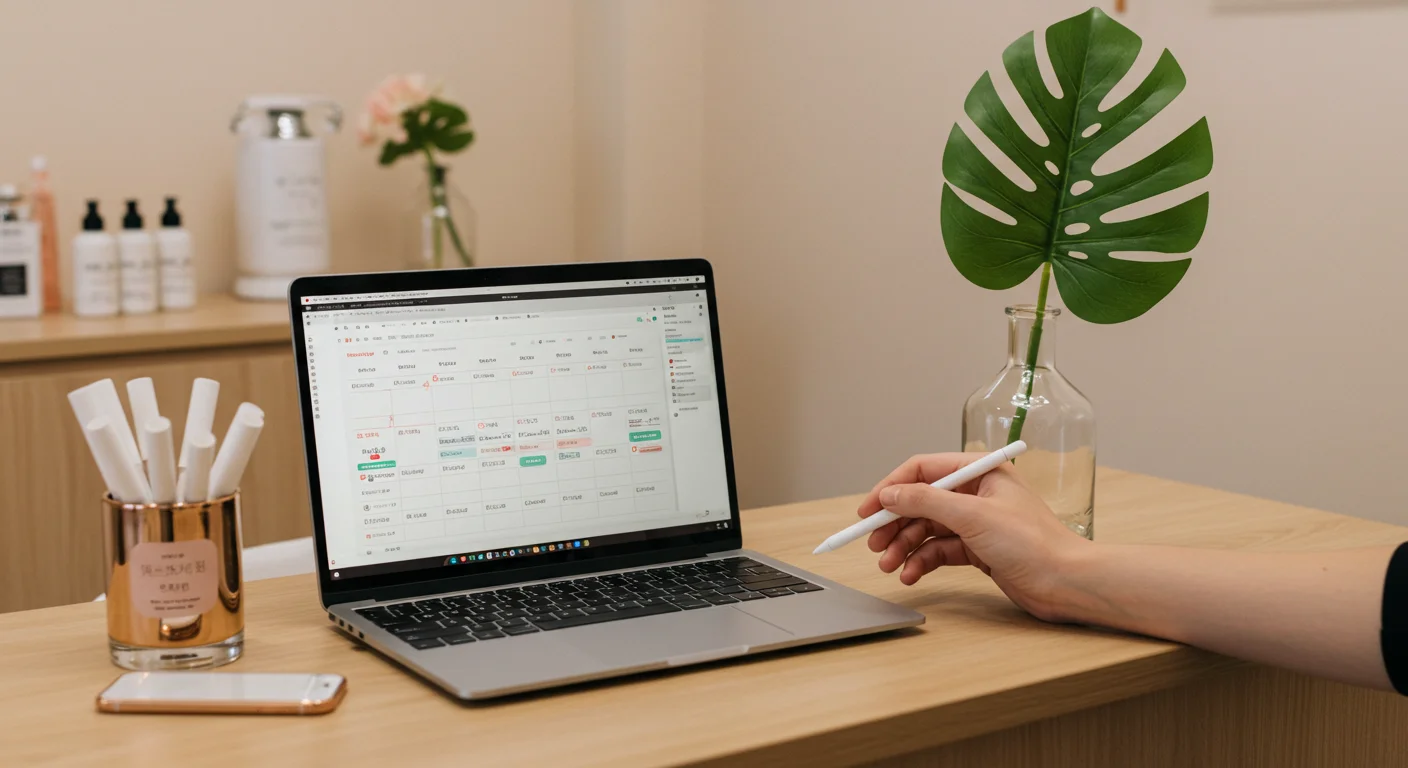
In 2026, relying on a paper appointment book or even a basic digital calendar is a recipe for inefficiency. The single most impactful change I made to my scheduling was adopting a robust salon management software. We use Vagaro at “Glow & Go Wax Bar” in the West Midtown area of Atlanta, and it has been nothing short of transformative. Other excellent options include Schedulicity and Mindbody. These platforms do so much more than just book appointments.
Here’s why they are essential for waxing education professionals:
- Online Booking: This is a game-changer. Clients can book, reschedule, and cancel 24/7 without you lifting a finger. This frees up significant administrative time. According to a Software Advice survey, businesses using online scheduling saw a 25% reduction in administrative tasks.
- Automated Reminders: No-shows and late cancellations are profit killers. My software automatically sends SMS and email reminders 48 hours and 24 hours before an appointment. This alone cut our no-show rate by nearly 15% within the first month of implementation. It’s a polite nudge that clients appreciate.
- Client Management: Detailed client profiles (preferred services, allergies, past notes) are invaluable. When Mrs. Henderson comes in for her monthly brow wax, I can quickly see that she prefers hard wax and dislikes talking during her service. This personalized touch elevates the client experience and makes me look like a genius.
- Reporting and Analytics: This is where the magic happens for efficiency. I regularly pull reports on my busiest times, most popular services, and client retention rates. This data informs my decisions on staffing, marketing efforts, and even when to offer promotions. For instance, I noticed a dip in bookings on Tuesday afternoons. Armed with this data, I started offering a “Tuesday Tune-Up” discount, filling those previously slow slots.
- Pre-Payment/Deposit Options: To further combat no-shows, many platforms allow you to require a deposit or full pre-payment for services. This commitment from the client significantly reduces last-minute cancellations. We implemented a 50% deposit for all new clients booking Brazilian waxes, and it has practically eliminated new client no-shows for that service.
Choosing the right software is a commitment, so do your research. Look for platforms specifically designed for salons and spas, not generic calendar tools. Consider ease of use, cost, and the specific features that will benefit your waxing business most. For more insights on how to boost your revenue, check out our article on waxing salon profits.
Client Communication & Expectations Management
An efficient schedule isn’t just about what you do; it’s also about what your clients understand and expect. Clear communication is paramount. From the moment a client books, they should know your policies. My booking confirmation emails explicitly state our cancellation policy (24-hour notice required to avoid a 50% service charge) and our late policy (10 minutes late, appointment may be forfeited and charged). This isn’t about being draconian; it’s about respecting everyone’s time.
One specific instance stands out: I had a client last year, let’s call her Sarah, who was habitually 5-10 minutes late. Each time, it pushed my next appointment back. After the third instance, I gently, but firmly, reminded her of our late policy. I explained that while I valued her business, consistent lateness impacted my ability to provide quality service to subsequent clients. I offered to help her reschedule for a time that might work better with her commute. She appreciated the directness, and from then on, she arrived early. Sometimes, people just need to understand the impact of their actions.
Furthermore, ensure your service descriptions are accurate and your pricing transparent. If a Brazilian wax takes 30 minutes, say so. If there’s an upcharge for extended growth, make it clear. Ambiguity leads to questions, delays, and frustrated clients – all of which erode efficiency. I recommend having a dedicated “Policies” page on your website, easily accessible from your booking portal. This proactive approach saves countless minutes explaining things verbally. Learn more about managing client expectations and retaining clients with wax studio retention strategies.
Continuous Improvement: Review, Adapt, and Refine
The pursuit of an efficient schedule is not a one-time project; it’s an ongoing process. Just as waxing techniques evolve, so too should your scheduling practices. I hold a monthly “Efficiency Review” with my team. We look at our booking data, discuss any bottlenecks we encountered, and brainstorm solutions. Did we have an unusually high number of “no-shows” last month? Was a particular service consistently running over time? These questions guide our adjustments.
For example, last quarter, we noticed our “First-Time Brazilian” service was frequently exceeding its allocated 45 minutes. Upon review, we realized new clients often had more questions, required more detailed aftercare instructions, and sometimes needed extra breaks. Our solution? We adjusted the booking time for first-time Brazilian waxes to 60 minutes and created a dedicated “New Client Welcome Packet” to address common questions upfront. This small change dramatically improved client satisfaction and reduced stress for our estheticians.
Another area I constantly scrutinize is my own energy levels. I know I’m most effective in the mornings. So, I strategically place my most demanding services then. Conversely, I schedule my lighter, routine services in the late afternoon when I might be a bit more fatigued. This self-awareness is a crucial component of sustainable efficiency. Don’t just work hard; work smart, and work with your natural rhythms. This is what nobody tells you in waxing education — your personal energy management is as important as your time management. Consider how your personal energy aligns with optimal frequency for smooth skin to enhance your service delivery.
Building an efficient schedule is an ongoing commitment to organization, communication, and technological adoption. It’s about creating a system that supports your professional growth and personal well-being.
What is the ideal buffer time between waxing appointments?
I recommend a minimum of 5-10 minutes between each waxing appointment. For new clients or complex services like full body waxing, extend this to 15-20 minutes. This time allows for thorough sanitation, client consultation, and unexpected delays, preventing your entire schedule from being thrown off.
How can I reduce no-shows for waxing appointments?
Reducing no-shows requires a multi-pronged approach: implement automated SMS and email reminders (48 and 24 hours prior), clearly communicate your cancellation policy upon booking, and consider requiring a deposit or full pre-payment for new clients or high-value services. Many salon management software platforms offer these features.
Should I offer online booking for my waxing business?
Absolutely, yes. Online booking is a non-negotiable in 2026 for any professional service. It provides convenience for clients, reduces administrative burden, and allows clients to book outside of your working hours. This significantly improves your accessibility and can lead to increased bookings.
How often should I review and adjust my waxing schedule?
You should conduct a comprehensive review of your schedule efficiency at least quarterly. However, daily or weekly informal checks are also beneficial to catch minor issues before they become major problems. Use the reporting features of your scheduling software to identify trends in service times, no-shows, and peak booking periods.
What’s the best way to handle clients who are consistently late?
Address it directly but professionally. First, ensure your late policy is clearly communicated to all clients. If a client is repeatedly late, have a private conversation where you explain how their lateness impacts your schedule and other clients. Offer to help them reschedule to a time that might be more suitable for their arrival. Be firm about enforcing your policy, even if it means rescheduling or charging a late fee.


