 By Jorge Mccarthy
Sarah, owner of “Smooth & Chic Waxing Studio” in Midtown Atlanta, was at her wit’s end. Her appointment book looked like a Jackson Pollock painting – splashes of color everywhere, but no discernible pattern. Clients loved her work, but scheduling was a nightmare. Double-bookings were becoming common, estheticians felt rushed, and Sarah herself was working 70-hour weeks just to keep her head above water. She knew that building an efficient schedule was the only way to save her business, but where do you even begin when you’re already drowning in appointments? This isn’t just about fitting more clients in; it’s about creating a sustainable, profitable model for any waxing education professional.
Key Takeaways
- Implement a staggered booking system, such as a 15-minute buffer between appointments, to prevent overruns and allow for preparation.
- Utilize specialized salon management software like Vagaro or GlossGenius to automate booking, reduce no-shows by 30%, and manage staff availability.
- Conduct a detailed time audit of all services to identify actual duration versus estimated duration, allowing for accurate scheduling adjustments.
- Cross-train staff on at least two core services to provide flexibility and prevent scheduling bottlenecks during peak hours or staff absences.
- Establish clear communication protocols for last-minute changes, utilizing automated SMS reminders and an online client portal.
My first conversation with Sarah was eye-opening. Her studio, located just off Peachtree Street near the Fox Theatre, had built a loyal clientele, but its growth was chaotic. “I feel like I’m constantly putting out fires,” she confessed, her voice thick with exhaustion. “One esthetician calls in sick, and the whole day collapses. Clients get upset, my staff gets stressed, and I end up doing Brazilians until 9 PM.” This is a common tale in the beauty industry, especially for independent studios that prioritize client experience but struggle with the operational backbone. Many business owners, particularly those in specialized fields like waxing education, focus so much on their craft that the mechanics of running the business get neglected.
We started with a brutal truth: her current scheduling system – a mix of paper, phone calls, and a basic online calendar – was actively hindering her. It wasn’t just inefficient; it was a liability. The first step in creating an efficient schedule isn’t about filling every slot; it’s about understanding what each service truly requires. “Tell me, Sarah,” I asked, “how long does a full leg wax actually take, including consultation, prep, the wax itself, and post-care?” She paused. “Hmm, about 45 minutes, I guess?”
That “I guess” was the problem. We needed data. I recommended a two-week time audit. Every esthetician, including Sarah, meticulously tracked the start and end times for each stage of every service. Not just the waxing itself, but the client check-in, the consultation, the room prep, the actual service, and the cleanup. This is where most studios fail; they underestimate the “hidden” time. What we found was illuminating: a full leg wax consistently took closer to 55 minutes, and a Brazilian often edged past the hour mark, especially with new clients who needed more consultation. This 10-15 minute discrepancy, multiplied across 20-30 appointments a day, was hemorrhaging time.
The Power of Precise Timing and Buffer Zones
Once we had accurate timing, the next critical step was to implement buffer zones. This is non-negotiable. I am a firm believer that trying to book back-to-back appointments without a buffer is a recipe for disaster. It guarantees late starts, rushed services, and stressed staff. For Smooth & Chic, we decided on a 15-minute buffer between all appointments. This isn’t wasted time; it’s essential time for room sanitation, preparing for the next client, and allowing the esthetician a brief moment to reset. It also provides a small cushion for those inevitable conversations that run a little long.
Sarah was initially hesitant. “Won’t that mean fewer appointments? Less revenue?” This is a common fear, but the reality is the opposite. When you schedule realistically, you reduce cancellations due to lateness, improve client satisfaction, and boost staff morale, which in turn leads to better service and repeat business. A Statista report from 2023 indicated that appointment punctuality and staff professionalism were top drivers of customer satisfaction in beauty salons worldwide. Rushing kills both.
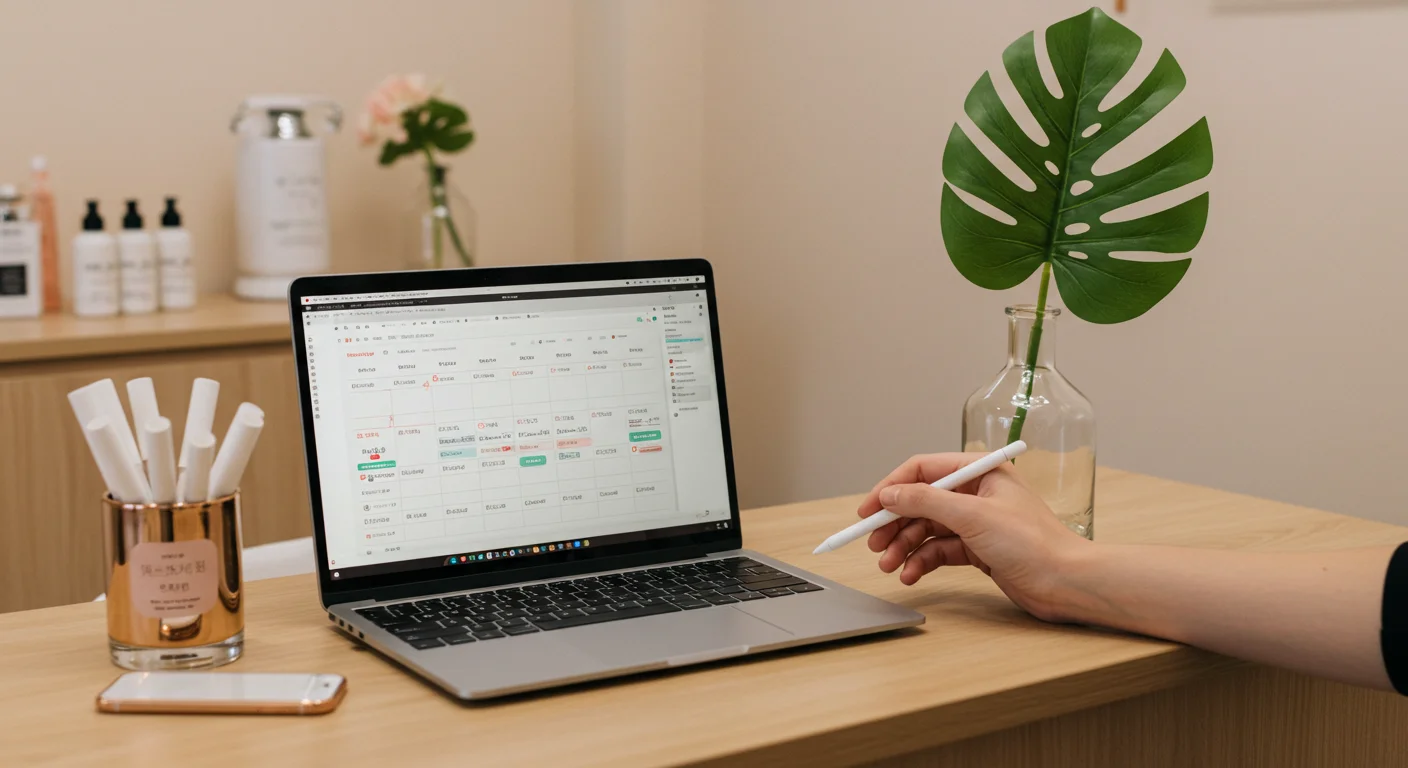
To put this into practice, we updated her primary scheduling platform. Sarah was still using an older version of Mindbody, which, while functional, wasn’t fully optimized for her specific needs. I pushed her towards GlossGenius, a platform I’ve found particularly intuitive for smaller, service-based businesses. Its robust scheduling features, automated reminders, and client management tools were exactly what Smooth & Chic needed. We configured GlossGenius to automatically add the 15-minute buffer after each service, ensuring no esthetician could be double-booked without that critical transition time.
Smooth skin that lasts, the easy way
Expert waxing that leaves you smooth for weeks. Find a top-rated studio near you.
Find a Wax Center Near You →Staffing Smarter, Not Harder
One of Sarah’s biggest pain points was staff availability and the ripple effect of unexpected absences. “If Jessica calls out, I have to reschedule 10 clients, and it takes me half the morning just to do that,” she lamented. My advice here is always the same: cross-train, cross-train, cross-train. Every esthetician at Smooth & Chic was excellent at their primary services, but few were proficient in more than two or three. We developed an internal training program, offering incentives for staff to become certified in additional services. Our goal was for every esthetician to be capable of performing at least 80% of the studio’s core services. This isn’t about making everyone a generalist; it’s about building resilience into your schedule.
For example, if an esthetician primarily specialized in Brazilian and bikini waxes, we trained them on full leg and arm waxes. This meant that if their colleague specializing in body waxing was out, there was internal coverage. This also had the added benefit of making the staff more versatile and valuable, fostering a sense of teamwork. We also introduced a flexible scheduling policy, allowing staff to swap shifts more easily through GlossGenius’s internal communication features, reducing the burden on Sarah to manually rearrange schedules.
I had a similar situation at a high-end spa I consulted for in Buckhead, near the Governor’s Mansion. Their massage therapists were highly specialized, but when one was out, it created a massive hole. By cross-training them in different massage modalities – Swedish, deep tissue, hot stone – we were able to maintain service levels even with unexpected absences. It’s an investment in time and resources upfront, but it pays dividends in operational stability and staff morale.
Optimizing Client Flow and Communication
An efficient schedule isn’t just about what happens in the treatment room; it’s about the entire client journey. We focused on two key areas: reducing no-shows and improving client communication. GlossGenius automatically sends out SMS and email reminders, which significantly cut down Sarah’s manual efforts. But we went a step further. We implemented a strict 24-hour cancellation policy, clearly communicated during booking and in all confirmation messages. For repeat offenders, a non-refundable deposit was required for future appointments. This might seem harsh, but it respects the esthetician’s time and the value of the service.
We also streamlined the check-in process. Instead of clients filling out paper forms, they now complete digital intake forms via a secure link sent with their appointment confirmation. This means they arrive ready for their service, minimizing delays. For new clients, Sarah dedicated a small, comfortable waiting area with refreshments, ensuring they felt welcomed even if an appointment ran a couple of minutes over. This small touch, often overlooked, can drastically improve client perception of efficiency and care.
One editorial aside here: many business owners fear implementing stricter policies, worrying about alienating clients. My experience, however, shows the opposite. Clients appreciate clarity and professionalism. A well-run business instills confidence. Those who consistently disrespect your time are likely not your ideal clients anyway. You are running a business, not a charity.
The Case Study: Smooth & Chic’s Transformation
Let’s look at the numbers. When I first started working with Sarah in January 2026, Smooth & Chic Waxing Studio averaged 60 appointments per week across three estheticians, with a 15% no-show rate and an average service time overrun of 10 minutes per appointment. Sarah was personally spending 15-20 hours a week on scheduling and administrative tasks.
Over the next three months, we implemented the changes:
- Time Audit & Re-evaluation: January 2026. Discovered actual service times were 10-15% longer than estimated.
- Software Implementation: Early February 2026. Migrated to GlossGenius, configured automated buffers and reminders.
- Staff Cross-Training Initiative: February-March 2026. Two estheticians completed certifications in two additional core services, one esthetician completed one.
- Policy & Communication Overhaul: Mid-March 2026. Implemented 24-hour cancellation policy with digital intake forms.
By the end of March 2026, the results were tangible. The no-show rate dropped to 5%, a 66% reduction. The average service time overrun was virtually eliminated due to accurate timing and buffers. While the raw number of appointments per esthetician per day slightly decreased (due to the 15-minute buffer), the total revenue increased by 12% because of fewer no-shows, more efficient service delivery, and improved client retention. Sarah’s administrative burden plummeted to under 5 hours a week, freeing her up to focus on marketing and expanding her waxing education workshops.
This wasn’t magic; it was methodical. It involved taking a hard look at existing processes, embracing technology, and having the courage to implement policies that prioritize efficiency and respect for everyone’s time. The studio is now thriving, known not just for its excellent waxing services but for its seamless, professional client experience. Clients don’t just get a great wax; they get a punctual, stress-free appointment. That’s a huge differentiator in a competitive market.
Building an efficient schedule is not a one-time fix; it’s an ongoing commitment to refinement and adaptation. As your business grows, as new services are introduced, or as staff changes, your schedule needs to evolve. Regularly review your service timings, solicit feedback from both clients and staff, and don’t be afraid to tweak your systems. The goal is to create a rhythm that supports both your business and the well-being of your team.
The journey from chaotic to controlled is a challenging one, but the rewards—increased profitability, reduced stress, and happier clients and staff—are immeasurable. Start with an honest assessment of your current state, embrace the data, and implement changes incrementally. Your business, and your sanity, will thank you for it.
What is the most common mistake when building a schedule for a waxing studio?
The most common mistake is underestimating the actual time required for each service, including client check-in, consultation, preparation, the service itself, and post-service cleanup and room sanitation. This leads to rushed appointments, delayed schedules, and client dissatisfaction.
How can technology help improve scheduling efficiency in a beauty business?
Technology, specifically salon management software like GlossGenius or Vagaro, can automate online booking, send automated appointment reminders (reducing no-shows), manage staff availability, track service times accurately, and facilitate digital intake forms. This significantly reduces administrative burden and improves overall client flow.
Why are buffer zones between appointments so important?
Buffer zones (e.g., 10-15 minutes) are critical because they prevent appointment overruns from impacting subsequent clients, allow estheticians time for sanitation and preparation, and provide a brief moment for staff to reset. This improves punctuality, reduces stress, and enhances the client experience.
How does cross-training staff contribute to an efficient schedule?
Cross-training staff means that estheticians are proficient in multiple services. This creates flexibility in scheduling, allowing you to cover unexpected absences or peak demand for certain services without disrupting the entire schedule. It builds resilience into your team and reduces reliance on a single specialist.
What impact do strict cancellation policies have on client relationships?
While some business owners fear alienating clients, a clear and consistently enforced cancellation policy (e.g., 24-hour notice, non-refundable deposits for repeat offenders) generally improves client relationships by fostering professionalism and mutual respect. It values the esthetician’s time and ensures fairness for all clients, ultimately leading to a more reliable and efficient schedule.


