 By Editorial Team
Key Takeaways
- Adding specific essential oils into your pre-wax prep, like a little lavender or chamomile, seriously helps calm client nerves and makes the whole hair removal session way more comfortable.
- You’re seeing this everywhere in 2026: professional waxing studios are letting clients pick their own aromatherapy scents to match their wellness goals, finally moving past the old one-scent-for-everyone model.
- Post-waxing care gets a huge boost from aromatherapy. Using products with tea tree oil or aloe vera essential oil calms the skin and cuts down on redness, which means clients heal up faster.
- The demand for beauty services that feel like self-care (like combining waxing with aromatherapy) is real, with the market expected to grow 12% a year through 2030 because people want treatments that cover all the bases.
The beauty world is always changing, and new ideas about self-care pop up all the time. The big move in 2026 is how wellness waxing is being combined with aromatherapy beauty, turning what used to be a routine chore into a genuinely calming experience. This is happening because clients are asking for services that take care of their mental state as much as their physical appearance. So how are these two things actually mixing to change professional waxing?
The Evolution of Waxing: Beyond Hair Removal
For a long time, waxing was just functional: get rid of hair, get smooth skin, get out. That whole perspective is clearly changing. Clients expect more from their appointments now and they want an experience that actually helps them relax and feel rejuvenated. This is why you’re seeing practices that used to be confined to high-end spas show up in everyday beauty treatments. The simple job of removing hair now comes with elements meant to soothe the senses and lower stress, making the appointment less about the ‘ouch’ and more about taking care of yourself.
Think about the vibe of a modern waxing studio. It’s not all sterile, bright-white rooms anymore. So many places are now creating a really tranquil atmosphere with soft lighting, chill music, and, of course, diffused essential oils. This change in ambiance is a direct answer to what clients have been asking for. A 2025 consumer survey from the Global Wellness Institute found that 68% of people buying beauty services said “relaxation and stress reduction” was a top reason for choosing a provider which is up 15% from just five years ago. That data proves how much a complete wellness focus affects client happiness and keeps them coming back.
Shifting from a quick in-and-out service to a full-on wellness experience isn’t just a marketing trick. It’s rooted in understanding that people will pay for services that provide a real emotional lift right alongside the physical result. You see this most clearly in the growing market for personalized beauty treatments, where clients can customize their entire session based on what they need, and that often includes picking their preferred aromatherapy.
Aromatherapy’s Role in Pre-Waxing Preparation
Aromatherapy’s job begins way before the wax is even warm. Using the right essential oils during the pre-wax phase makes a huge difference in client comfort and skin prep. For instance, lavender essential oil is famous for its calming effects. When you have it going in the room’s diffuser or mix it into a pre-wax cleanser, it helps take the edge off a client’s anxiety, which is a lifesaver for first-timers or anyone who’s a bit nervous about the pain.
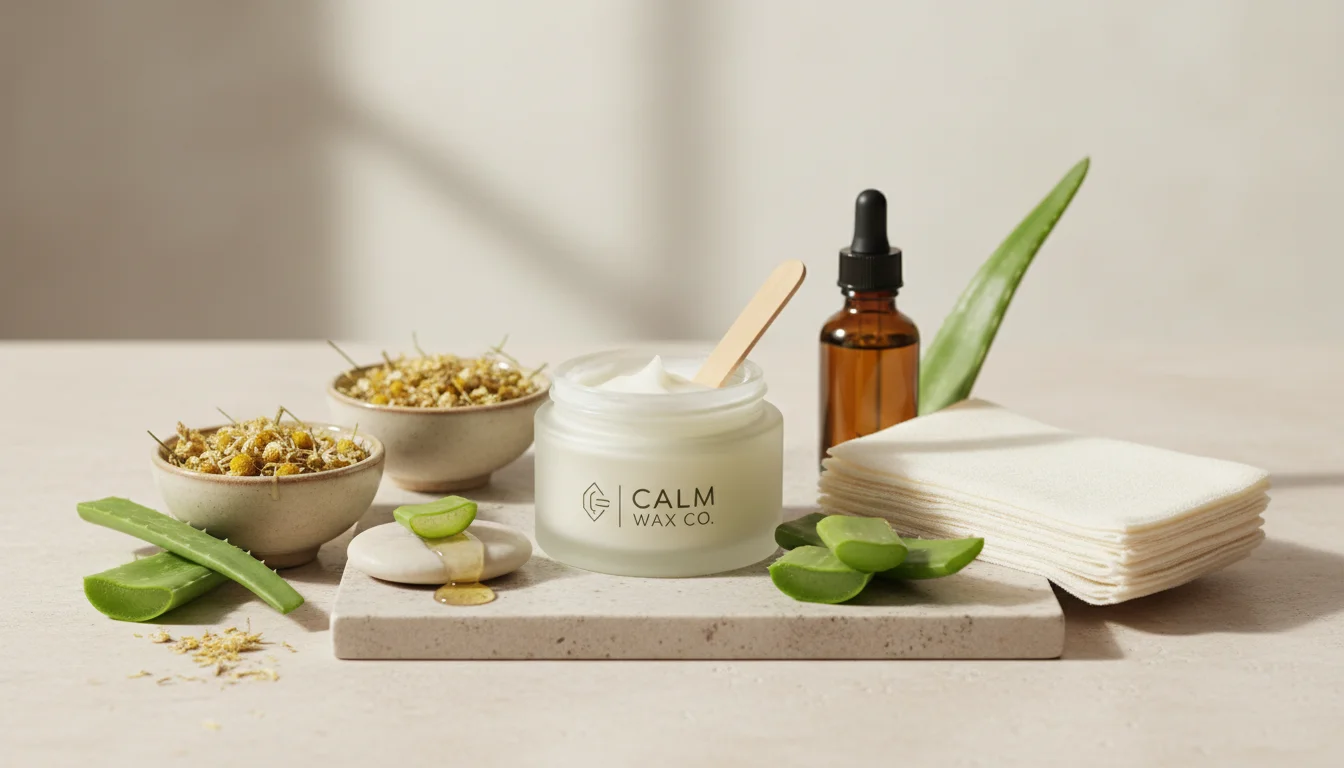
Chamomile is another powerhouse oil for skin prep. It’s known for being anti-inflammatory and soothing, so gently massaging it into the skin (diluted, always diluted) a few minutes before you start helps calm everything down, which can mean less redness and sensitivity during the service. A 2024 study in the Journal of Cosmetic Dermatology (Journal of Cosmetic Dermatology) found that a topical application of diluted chamomile extract cut down skin irritation by an average of 22% for people undergoing minor skin procedures. Waxing is its own beast, but the skin-calming logic is the same.
How it’s applied really varies from one studio to another. Some of us use warm towels infused with the oils on the area about to be waxed. Others will mix essential oil blends right into their pre-cleansing formulas. You just have to introduce these scents in a way that feels luxurious and deliberate, not like something you just remembered to do. That kind of detail just screams professionalism. Plus, the scent itself works on a psychological level, sending a signal to the client’s brain that they’re in a space that’s all about their well-being.
Discover the smoothest way to stay hair-free
Expert waxing that leaves you smooth for weeks. Find a top-rated studio near you.
Find a Wax Center Near You →Enhancing the Waxing Experience with Scent Profiles
Aromatherapy gives you the chance to really customize the waxing appointment to what a client wants to feel. Good studios are now offering a menu of scent profiles, letting clients choose an aroma that clicks with them. This kind of personal touch turns a standard appointment into their own little wellness ritual.
If a client wants to feel more uplifted and refreshed, citrus oils like sweet orange or grapefruit are perfect choices since they are known to give your mood a little boost. On the other hand, if someone needs to really de-stress and chill out, you can bring in frankincense or sandalwood. Those deeper, earthy smells are great for feeling grounded and calm. Giving a client the ability to pick a specific scent gives them a sense of control over their appointment, which can seriously cut down their anxiety about the hair removal itself.
This whole thing goes beyond just what’s in the diffuser. It extends to the actual products you’re using. A lot of professional-grade hard waxes and pre/post-waxing oils are now being made with natural essential oils instead of fake fragrances. This gives a more authentic aromatherapy benefit, and the ingredients are usually better for the skin. For example, a hard wax with tea tree oil in it brings some antiseptic properties to the table, while one with aloe vera essential oil can add extra soothing. Choosing products like this shows you’re committed to the client’s total well-being.
I’ve seen it myself, offering a choice of aromatherapy blends before a session makes a huge difference in client feedback. When clients feel like they have a say in their own treatment, even with something as simple as a scent, their satisfaction just goes up. It’s a small thing that says a lot about the level of care they’re getting. The direction is clear: the future of waxing is about getting smooth skin through a process that feels thoughtful and indulgent.
Post-Waxing Care: Soothing and Recovery Through Aromatics
Aromatherapy’s job isn’t over when the wax is gone, as it’s hugely important for skin recovery and calming things down afterward. The skin is obviously going to be sensitive, red, and a little irritated after hair removal. This is where putting the right essential oils in aftercare products makes a real impact. Lavender is a workhorse here, great for its calming scent and its ability to soothe the skin directly. When you apply it diluted, it can definitely help knock back redness and discomfort.
Tea tree oil is another key player in post-waxing care. Its antiseptic and anti-inflammatory properties are well-known, and they help stop potential breakouts and ingrown hairs before they can even start. When you blend it into a post-wax lotion or oil, it creates a protective barrier that helps the skin heal. Professional studios almost always have aftercare balms or serums that are specifically made with these ingredients. The goal is simple: calm the skin down fast, keep irritation low, and get the natural recovery process going.
And you can’t forget aloe vera essential oil, which is derived from the gel. It’s amazing for intense hydration and cooling, helping to put back moisture that was lost during waxing and giving immediate relief to skin that feels warm and sensitive. These oils work together to create an aftercare system that handles all the common post-wax issues. This focus on solid aftercare is what separates a premium service from a basic one and makes sure the client leaves feeling cared for, not just hair-free.
The Business of Wellness and Waxing: A Growing Market
Adding wellness and aromatherapy to waxing services is a real business opportunity. Consumers are showing they’re happy to pay more for services that give them extra value through relaxation and personalization. Market analysts are predicting big things for this niche. A 2026 report from Allied Market Research (Allied Market Research) expects the global aromatherapy market to hit $4.3 billion by 2032, because more and more people are getting into natural health solutions. Any service that combines that with an established treatment like waxing is in a great spot to grow.
For us waxing pros, offering aromatherapy options can mean better client retention and a higher ticket price per appointment. Clients who feel like they got a more complete, beneficial service are way more likely to come back and tell their friends. It gives you a real edge in a market that can feel pretty crowded, and it lets you compete on the quality of the experience instead of just trying to be the cheapest.
This means training becomes really important. Your staff needs to know how to use essential oils properly, understand what each one does, and be able to suggest the right blends for different clients. That expertise is what builds trust and positions you as an authority in the wellness space. In the end, mixing wellness with waxing makes the service more pleasant, but it also creates a more valuable and profitable business model for everyone involved.
Bringing aromatherapy into the waxing room is a big step forward for personalized beauty care, turning a functional treatment into a full wellness experience that gives modern clients exactly what they want: great aesthetic results and a mental break. For more info on keeping up with waxing hygiene and safety, check out our other guides.
What are the main upsides of using aromatherapy during a wax?
Using aromatherapy during a waxing appointment has a few big benefits: it helps clients feel less anxious, makes them more relaxed, can help calm their skin, and just makes the whole thing feel more luxurious and personal. It turns a routine appointment into a real self-care ritual.
Can certain essential oils actually make waxing less painful?
They won’t totally numb the pain, but oils like lavender and chamomile have calming and anti-inflammatory effects that can definitely reduce some of the discomfort and sensitivity. It just makes the whole process feel less intense for the client.
How are essential oils usually used in a professional waxing studio?
In a pro setting, you’ll see them used in a few ways: diffused in the air to set the mood, mixed into pre-wax cleansers or applied with warm towels, or blended into the post-wax lotions and oils. The key is that they’re always properly diluted to be safe for skin.
Are there any essential oils I should avoid using with waxing?
Yes, definitely. You need to avoid phototoxic oils (like some citrus oils) if the client might get any sun on that area right after their appointment. And of course, you should never use oils that are known skin irritants or anything a client has a known allergy to. Always use properly diluted oils.
What kind of training do wax techs need to offer aromatherapy?
Pros should get specific training in aromatherapy. This needs to cover what the different oils do, safe ways to dilute them, any contraindications (reasons not to use them), and the right application methods. You can find this through certified aromatherapy courses or special workshops for estheticians.


