 By Editorial Team
When Sarah decided to expand her waxing services at “Smooth & Chic Studio” in downtown Atlanta in early 2025, she found herself staring at a real problem. Her setup, a hodgepodge of mismatched wax warmers and random waxing accessories she’d collected over the years, wasn’t just inefficient and inconsistent. It was an eyesore. For her product selection, she needed to figure out what actually mattered for getting professional-grade results and keeping her growing list of clients comfortable and safe. It was about more than just clicking “buy” online.
Key Takeaways
- Get professional wax warmers with digital temperature controls that are accurate to within 1 degree Fahrenheit. This is the only way to get consistent wax and keep clients safe.
- Stick to durable, easy-to-sanitize materials for your warmer pots and tools, like aluminum or stainless steel. Hygiene isn’t optional.
- Make sure your accessories, spatulas, pre/post-wax care, everything, are designed for the type of wax you’re using, whether it’s hard wax or soft wax.
- Figure out your daily client load and buy warmers with the capacity and heating speed to keep up so you’re not causing delays.
Sarah did what most of us do at first: she got lost on huge e-commerce sites, completely swamped by the options. There were single-pot warmers, double-pots, and huge multi-wax stations with prices ranging from suspiciously cheap to “are you kidding me?” expensive. “How do I even begin to compare these?” she asked herself one night, scrolling endlessly. Her main worry was long-term reliability and performance, not just the upfront cost. A warmer that dies mid-Brazilian or can’t hold a steady temp is a direct hit to your business. I’ve seen this exact scenario paralyze so many salon owners. The temptation of a cheap price tag often blinds them to what they actually need to operate smoothly.
So, the first thing I had her do was a quick audit of her current business and where she saw it going. How many waxing appointments was she really doing each day? What was her main wax type, hard wax for sensitive areas, or soft wax for larger body parts? The answer was clear. Her old single-pot warmers were creating serious bottlenecks during busy times because it took forever to heat up a new batch of wax. She needed equipment that could run all day and handle different waxes at the same time. That insight alone helped her focus her search on either multi-pot warmers or a couple of high-performance single units.
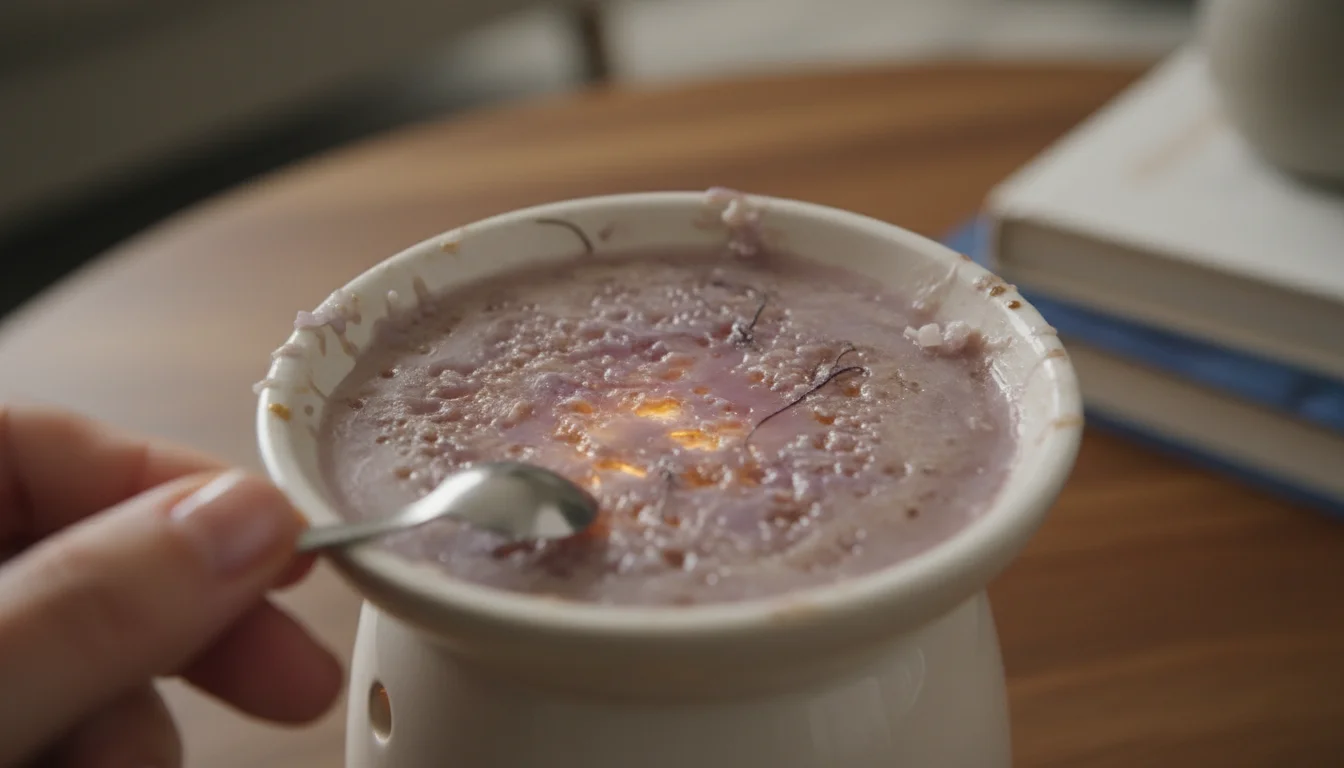
For wax warmers, you absolutely have to be able to control the temperature. A lot of the cheap warmers just have vague “low,” “medium,” and “high” dials, which is useless for a pro. You need to heat wax to a specific temperature to get it to work right without burning someone. Too hot, you’ve got a lawsuit on your hands. Too cool, the wax is thick, clumpy, and won’t grip the hair. The National Cosmetology Association (NCA) is clear that holding wax in a tight temperature range is a matter of safety and effectiveness. Pro-level warmers from brands like GiGi or Satin Smooth have digital displays and thermostats that let you dial in the temp, usually within 1 degree Fahrenheit. That’s the kind of precision that guarantees your wax has the perfect working consistency every time. Sarah ended up buying two double-pot warmers, each with its own digital controls, so her estheticians could have hard and soft wax ready to go without any waiting or cross-contamination.
Discover the smoothest way to stay hair-free
Expert waxing that leaves you smooth for weeks. Find a top-rated studio near you.
Find a Wax Center Near You →After temperature, you have to look at what the warmer is made of. Sarah’s old warmers were a pain to clean, which led to gross wax buildup and was just unhygienic. A professional warmer needs to have removable pots made of aluminum or stainless steel because they’re tough and easy to sanitize. The plastic outside might be common, but make sure it can stand up to heat and cleaning chemicals. And don’t forget about the lid, a good, solid lid keeps dust and other junk from falling into your wax, a small detail that makes a big difference. Based on reviews from other salon pros, Sarah made a point to find warmers with non-stick coated aluminum inserts, which seriously cut down on cleaning time.
And then you have all the waxing accessories. The list goes on forever: spatulas, strips, pre-wax cleansers, post-wax oils. Sarah’s studio was all about the premium experience, so flimsy, generic stuff was out of the question. For applicators, she weighed wooden against disposable plastic. Wood is biodegradable, sure, but it can splinter and sometimes soaks up too much wax. Good disposable plastic spatulas, especially ones with a smooth finish, usually give you a much cleaner application. The final decision often depends on balancing cost with environmental concerns, and plenty of studios (including hers) end up using both, wood for big areas like legs and plastic for precise work like brows.
The quality of your waxing strips makes a huge difference, too. For strip wax, non-woven fabric is almost always better than muslin because it’s stronger and pulls the wax off cleanly without tearing. Sarah found out that the actual weight and texture of the non-woven material affects how well it works. A heavier strip with a bit more texture grabs the wax and hair much better, which means a smoother pull for the client and less irritation. She started buying non-woven fabric in rolls, which lets her team cut whatever size strip they need for different body parts. It’s more efficient and creates less waste.
Your pre- and post-wax products are what separate a good wax from a great one. A proper pre-wax cleanser gets rid of any oil, dirt, or makeup so the wax can get a good grip on the hair. Afterwards, a soothing oil or lotion is what calms the skin down, reduces redness, and helps prevent ingrown hairs. Sarah did her homework on ingredients, choosing products with natural anti-inflammatories like chamomile and tea tree oil. For instance, Dermalogica PreCleanse is a go-to for many pros because it cleans thoroughly without drying out the skin. For post-wax care, she found a botanical-based formula known for being hydrating and antibacterial. These might seem like small things, but they add up to a much better client experience and are key to good smooth skin tips for aftercare.
Something people always seem to forget is how important it is to have a good system for storing and organizing all these waxing accessories. A cluttered station doesn’t just look unprofessional. It’s a recipe for cross-contamination and wastes precious time when you’re hunting for a tool. Sarah bought dedicated trolleys and organizers for each station. Now, spatulas, strips, cotton pads, and bottles are all laid out neatly and are easy to grab. That one change made the workflow so much better and gave the whole studio a more polished, professional vibe.
After a few weeks of research and buying smart, Sarah’s Smooth & Chic Studio was completely transformed. Her new digital wax warmers kept the heat perfectly consistent, which took all the guesswork out of it and made clients feel more comfortable. Her estheticians loved the new efficiency, since they weren’t stuck waiting for wax to melt or fighting with bad temperatures. The better-quality spatulas and non-woven strips meant cleaner and faster hair removal, which led to fewer annoying touch-ups and much happier clients. And because she picked thoughtful pre- and post-wax solutions, complaints about skin irritation basically disappeared.
Sarah’s whole ordeal just proves a basic truth of this business: your tools and supplies are an investment in your quality, your client’s happiness, and your reputation. She got past the overwhelming number of choices by zeroing in on her salon’s actual needs, putting precision and hygiene first, and thinking about how every single item affects the client’s experience from start to finish. It comes down to this: you can’t cut corners on your core equipment. Your clients will notice the difference, and so will your salon’s bottom line.
What’s the right temperature for professional wax warmers?
You need to keep your wax in a tight range, usually between 120 and 140 degrees Fahrenheit (49 to 60 Celsius). The exact temp depends on the wax itself, hard wax usually runs a little cooler than soft wax. That’s why you need digital controls that give you accuracy down to 1 degree.
Wooden vs. plastic spatulas for waxing?
They both have their place. Wooden spatulas are biodegradable, which is great, but they can splinter. High-quality disposable plastic ones give you a super smooth application every time. A lot of us use both: wood for larger body parts and plastic for detailed work like brows.
How does wax warmer size affect a salon’s day?
Warmer capacity is all about workflow. It determines how much wax you have ready to go. If you’re busy, you need multi-pot warmers or at least a large single-pot unit so you don’t have downtime between clients, especially if you’re switching between hard and soft wax for the same service.
What should I look for in the material of a wax warmer?
Go for warmers that have removable pots made of aluminum or stainless steel. They’re durable, they heat evenly, and you can actually get them clean and sanitized. The outer casing needs to be tough and heat-resistant enough to survive in a busy salon environment.
Are pre- and post-wax solutions really that important?
Yes, absolutely. Pre-wax products clean the skin of oils and dirt, which helps the wax stick better and hurts less. Post-wax solutions are for calming the skin down afterward, they soothe, hydrate, reduce redness, and help stop ingrown hairs, making the whole experience much more comfortable for the client.


