 By Editorial Team
There’s a shocking amount of bad information out there about waxing hygiene, and it’s not just from clients, even some practitioners still hold on to old, dangerous ideas. We’re non-negotiable about our single-use wax standard, because anything less means you’re risking shared germs and skin cells between clients. Frankly, it’s the only way to guarantee we’re protecting everyone who walks through our door.
Key Takeaways
- Dipping the same stick twice contaminates the whole pot with bacteria, viruses, and fungi, and no, the heat doesn’t kill them.
- Single-use wax is simple: you get fresh wax for every single swipe, which stops cross-contamination in its tracks.
- The wax isn’t hot enough to sterilize anything. Re-dipping is a serious health risk because the typical temperature of 120-140°F won’t kill all pathogens.
- State cosmetology boards ban double-dipping for a reason, to protect public health.
- Watch your technician. You should see them grab a new spatula for every single dip into the wax pot. If you don’t, you need to speak up.
Myth 1: The Hot Wax Kills All Germs, So Double-Dipping is Fine
This is the most dangerous myth in our industry, period. The idea that hot wax is a sterilizer is completely false. According to the Centers for Disease Control and Prevention (CDC), the typical temperature of melted wax, around 120 to 140 degrees Fahrenheit (49 to 60 degrees Celsius), is more like a warm bath for germs than an execution chamber. To actually sterilize something, you need sustained, high-pressure heat exceeding 250 degrees Fahrenheit (121 Celsius), the kind of temp you find in an autoclave, which would obviously cause severe burns. Think about it: a spatula touches skin, picking up dead skin cells, oil, and whatever bacteria is present. Plunging that same spatula back into the wax pot introduces those contaminants to the entire batch. This creates a clear path for cross-contamination, which can easily lead to bacterial, fungal, or even viral infections like staph. We just don’t take that risk.
Smooth skin that lasts, the easy way
Expert waxing that leaves you smooth for weeks. Find a top-rated studio near you.
Find a Wax Center Near You →Myth 2: Hard Wax is Inherently More Hygienic Than Soft Wax
It doesn’t matter if it’s hard wax or soft wax. The rules of hygiene don’t change. Though their application methods are different, the wax itself has no special antimicrobial properties that would make reusing a spatula okay. The application method is what matters, not the type of wax. The moment a spatula touches skin and then re-enters the main pot, that entire pot of wax is compromised. The idea that hard wax is somehow “cleaner” just because it hardens on its own and doesn’t need a muslin strip is a total distraction from the real issue, which is preventing the spread of pathogens. A true professional uses a fresh spatula for every single application, no matter if they’re using hard or soft wax. Adhering to single-use wax application shows a commitment to client safety.
Myth 3: Small Amounts of Contamination Aren’t a Big Deal
Anyone who says “a little bit of contamination won’t hurt” is gambling with your health. A wax pot is a warm, nutrient-rich environment, basically a perfect petri dish for microscopic bacteria and fungi to multiply like crazy. Think about all the different things on people’s skin, from totally normal bacteria to bigger problems like staph or fungal conditions. Introducing any of that into a communal wax pot creates a breeding ground for infection. This is exactly why regulatory bodies like the Georgia State Board of Cosmetology and Barbers have such clear rules against double-dipping. They’re there to protect public health. Just one single instance of re-dipping can contaminate a whole pot of wax and turn a routine beauty service into a health hazard. For any good waxing service, waxing hygiene is a foundational rule, not a suggestion.
Myth 4: If I Don’t See the Spatula Being Re-Dipped, It’s Hygienic
Just because you don’t see the re-dip doesn’t mean everything is perfectly sanitary. Some practitioners might try to “skim” the surface of the wax or use the same spatula for multiple swipes on the same client before tossing it, and while that’s slightly better than dipping back into the main pot, it still isn’t ideal. The only truly safe method is using a fresh, clean spatula for every single time wax is applied to the skin. Proper hygiene also goes beyond just the spatula. It includes the cleanliness of the room, the practitioner’s hand washing, and wearing gloves. A real hygienic environment means every touchpoint has been considered. When you see your esthetician consistently grabbing a new, clean applicator for every dip, you’re seeing a true commitment to single-use wax protocols. If you’re not sure, just ask about their process. A good tech will be happy to explain their hygiene standards.
Myth 5: Using a Fresh Spatula for Each Client is an Unnecessary Expense
The argument that using new spatulas is too expensive is just shortsighted. The tiny cost of disposable applicators is nothing compared to the massive expense of a lawsuit, a bad review, or the reputational damage from giving a client a nasty staph infection. It’s just bad business. Investing in single-use wax practices is how we invest in client safety and our own business longevity, because a single hygiene complaint can destroy a reputation built over years. It shows a commitment to professional, ethical practice. Clients are getting smarter about hygiene and are more than willing to pay for a service they know is safe. Any business that cuts this corner is putting a few cents ahead of your well-being, and that approach is doomed to fail. We see it as a necessary cost of doing business, not an optional one.
Myth 6: “Back-Bar” Wax Pots Are for Practitioners, Not Clients
This idea that a big communal wax pot in the back room is somehow exempt from hygiene rules is completely wrong and dangerous. All wax, no matter where it’s stored, has to be handled with the same stringent standards if it’s going to end up on a client’s skin. The wax’s original container doesn’t magically protect it from germs. If someone uses a dirty scoop to transfer wax from a large “back-bar” vat to a smaller pot, the whole chain of hygiene is broken. Once that wax is in the working pot, the only acceptable method is single-use wax application. There are no safe shortcuts when it comes to cleanliness. Maintaining rigorous waxing hygiene with single-use applicators is a fundamental part of professional service that protects everyone. For your own safety and peace of mind, choose establishments that are transparent and committed to these standards.
What is “single-use wax” in practice?
“Single-use wax” means your technician uses a brand-new, clean applicator stick every time they dip into the wax pot. After that one stick touches your skin, it’s immediately thrown away. This guarantees that no contaminants from your skin (or anyone else’s) ever make it into the main wax pot.
Why is the temperature of melted wax not hot enough to kill germs?
Melted wax usually sits between 120-140°F (49-60°C). While that’s hot to the touch, it’s not nearly hot enough for sterilization. To effectively kill all pathogens, you need much higher temperatures, often over 250°F (121°C), which would cause severe burns and is impossible for cosmetic wax. The wax pot’s heat is more like a warm incubator than a germ-killer.
What are the potential health risks of improper waxing hygiene?
Improper hygiene, especially double-dipping spatulas, can easily spread bacterial infections like folliculitis or staph, fungal infections like ringworm, and even some viral infections. These can lead to anything from uncomfortable skin irritation to serious issues requiring medical treatment.
How can I tell if a waxing establishment follows proper hygiene protocols?
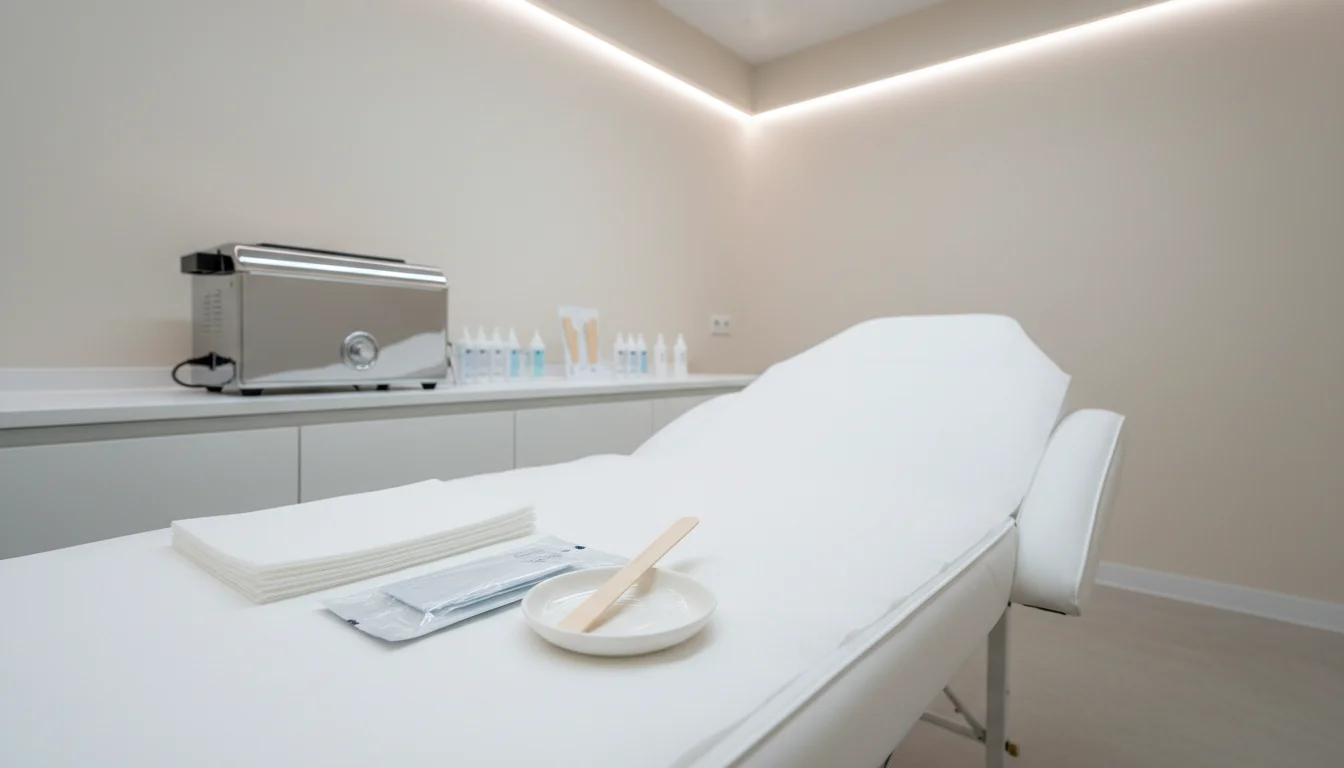
Watch them work. The esthetician should wash their hands, wear gloves, and most importantly, use a brand-new applicator stick for every single dip into the wax. The waxing room and table should be visibly clean and covered with fresh paper. Don’t be afraid to ask about their procedures if you’re unsure.
Are there any regulations regarding waxing hygiene?
Yes, most state cosmetology and barbering boards have specific regulations to protect public health. For example, the Georgia State Board of Cosmetology and Barbers has an explicit rule that prohibits double-dipping wax applicators. These aren’t just suggestions, they are legal requirements for licensed professionals.


