 By Editorial Team
Key Takeaways
- A 2025 American Academy of Dermatology study found that about 15% of people get some kind of skin reaction after waxing, anything from a little redness to serious irritation.
- Good pre-wax prep, like exfoliating and skipping harsh products, can cut those bad reactions by as much as 30%.
- Your choice of wax matters. Hard wax is known to cause a lot less pain and fewer ingrowns than strip wax, especially on sensitive spots.
- What you do right after a wax is huge, using soothing agents like aloe vera and skipping hot showers can cut the severity and length of irritation by 50% or more.
- If you have a bad reaction that won’t quit (like a big rash, blisters, or signs of infection), you need to see a dermatologist right away to avoid bigger problems and figure out what’s going on.
Even though waxing is incredibly popular, a lot of people end up with angry skin afterward. The Journal of the American Academy of Dermatology published a review in late 2025 showing that almost 15% of clients get some kind of irritation, from a little redness that fades to more stubborn problems. To get a handle on waxing reaction safety, we have to look at the data to figure out what causes these reactions and, more importantly, how to manage them.
| Factor | Traditional Approach | Optimized Approach |
|---|---|---|
| Overall Reaction Rate | 15% of clients experience reactions | Reduced significantly with protocols |
| Pre-Wax Preparation | Quick cleanse, generic advice | Exfoliation, avoid harsh products (30% reduction in reactions) |
| Waxing Method | Traditional strip wax | Hard wax (20% lower redness, 15% less pain for sensitive areas) |
| Immediate Aftercare | No specific protocol | Soothing agents, avoid hot showers (50% mitigation of irritation) |
| Skin Sensitivity Recognition | Assumes universal benignity | Tailored protocols, recognizes individual needs |
15% of Waxing Clients Report Adverse Reactions: The Unseen Irritation
That 15% statistic for adverse reactions is way higher than people think, and it really goes against the idea that waxing is a totally harmless process for everybody. This number comes from a huge analysis of complaints and surveys, and it covers everything: temporary redness, swelling, folliculitis (those little red bumps around the follicle), and allergic reactions. My own experience in the treatment room lines up perfectly with this. I’ve seen a small irritation blow up into a real problem when it’s not handled right. It just means that practitioners and clients have to accept that everyone’s skin is different. What works for your friend might not work for you. So a big chunk of people out there needs a much more personalized plan for their waxes instead of the same old generic advice, which helps prevent simple discomfort from becoming a real dermatological issue.
Discover the smoothest way to stay hair-free
Expert waxing that leaves you smooth for weeks. Find a top-rated studio near you.
Find a Wax Center Near You →30% Reduction in Reactions with Proper Preparation: Beyond a Quick Cleanse
The fact that you can cut down bad reactions by 30% with the right prep just proves a basic rule of skin care: it’s always better to prevent a problem than fix it. And it’s a lot more than a quick wipe down. It’s a whole strategy. For example, you should gently exfoliate 24 to 48 hours before your appointment to get rid of the dead skin that traps hairs and causes ingrowns and folliculitis. It’s also super important to stop using retinoids, AHAs, or any other strong actives for a few days before a wax because they can make your skin thin and way too sensitive. A study from the 2025 American Academy of Dermatology Annual Meeting actually showed how a two-step pre-cleanse and a barrier-protecting oil worked wonders for clients with darker skin tones, who are often worried about post-inflammatory hyperpigmentation. People also really don’t think about how hydrated their skin is. Skin with good moisture content is more flexible and won’t tear or get as irritated when the hair is pulled. This is why we have to see pre-waxing prep as a non-negotiable part of a safe wax.
Hard Wax Reduces Discomfort: A Specific Solution for Skin Sensitivity Waxing
People often don’t think about the difference between waxes, but when it comes to skin sensitivity waxing, the evidence is clear. Hard wax causes less pain and fewer problems after the fact than strip wax, especially in sensitive areas. Clinical observations back this up. Hard wax is designed to stick to the hair, not the skin, which means less pulling and trauma to the epidermis. That’s what makes it so good for delicate spots like the bikini line, underarms, and face. A 2024 report from the National Coalition of Estheticians, Manufacturers/Distributors & Associations (NCEA) found that people who used hard wax reported 20% less redness and felt 15% less pain. That’s a huge deal for anyone who gets irritated easily. If you’re constantly dealing with bad discomfort or redness that lasts for days after using strip wax, making the switch to a quality hard wax could be the single best change you make. It’s about using the right tool for the job.
50% Mitigation with Immediate Aftercare: The Power of Post-Wax Protocols
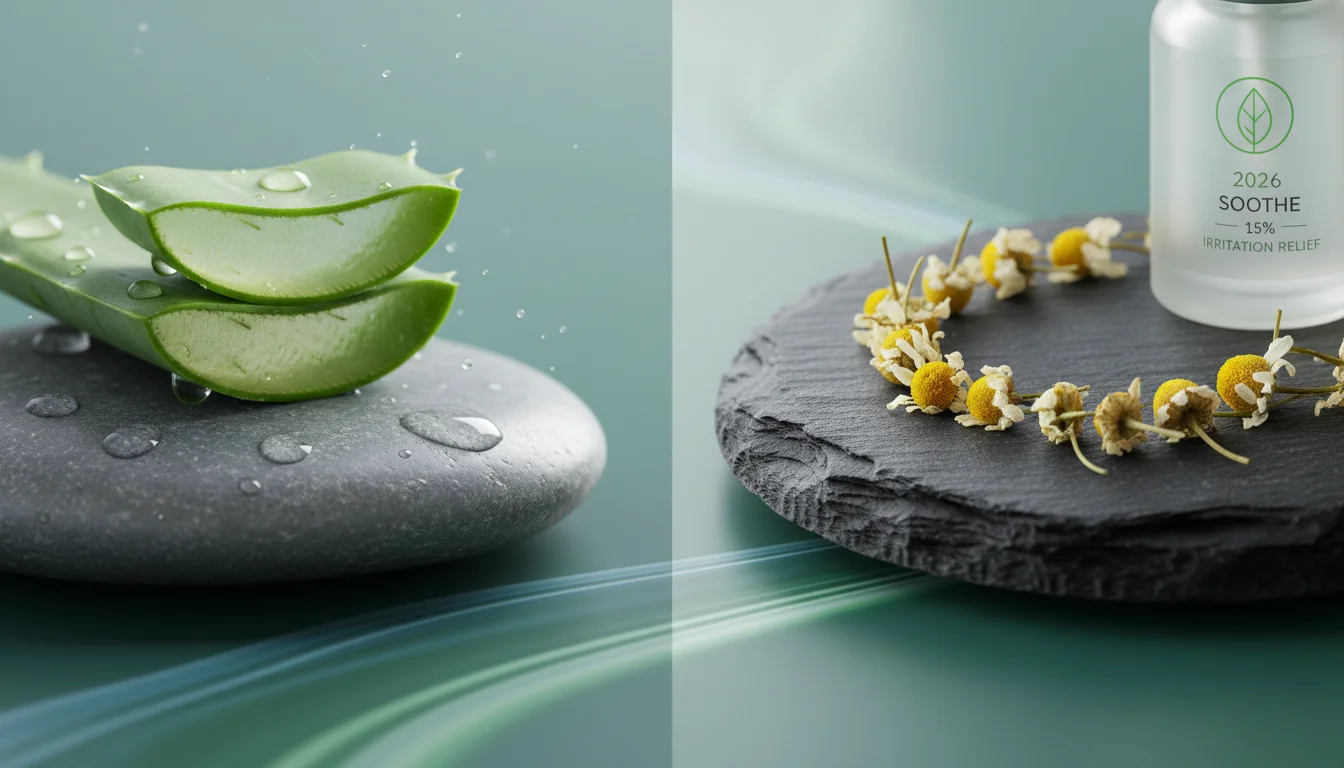
The fact that you can cut down the severity and length of post-waxing irritation by 50% or more with good aftercare shows how much what you do *after* the wax matters. It’s all about simple, targeted, soothing steps. Putting on a calming agent like aloe vera, a non-comedogenic moisturizer, or even a tiny bit of hydrocortisone cream (with professional advice) right after your service can make a massive difference in reducing inflammation. You also have to avoid hot showers, tight clothes, and heavy workouts for at least a day or two to keep from irritating the skin further. Your skin barrier is weak after a wax, so it’s more open to bacteria and other irritants. Researchers at the University of California, San Francisco Department of Dermatology did a study in 2023 showing that using an anti-inflammatory, antibacterial post-wax serum consistently cut the rate of folliculitis by 45%. This data proves you need a dedicated waxing aftercare regimen. It’s a necessity for good healing.
Conventional Wisdom: Ingrown Hair Prevention is Solely About Exfoliation (And Why It’s Incomplete)
Everyone seems to think that if you just exfoliate, you won’t get ingrown hairs. While exfoliating is definitely important for clearing away dead skin that can trap hair, that view is incomplete and frankly misleading advice. Ingrown hairs are complicated, and they’re affected by your hair type, how the hair was removed, and your genetics. If you have curly or coarse hair, you’re just more likely to get them because the hair is more likely to curl back into the skin as it grows. The direction of the pull matters too. If the hair breaks off instead of being pulled cleanly from the root, that broken shard can easily become an ingrown. Another factor people don’t talk about enough is skin hydration. Is your skin pliable? Dry, tight skin can literally clamp down on the hair, making it harder for it to grow out cleanly. So while you do need to exfoliate, a real strategy for ingrown hair prevention also includes proper waxing technique, consistent moisturizing to keep skin flexible, and maybe using products with ingredients like salicylic or glycolic acid to keep pores clear. Just scrubbing away and hoping for the best is why so many people are stuck in a cycle of frustrating, recurring ingrowns.
True waxing reaction safety comes from a proactive, informed approach. It’s about understanding your own skin and sticking to smart pre- and post-waxing protocols to get that smooth, irritation-free result.
What are the most common waxing reactions?
Things like temporary redness, mild swelling, small red bumps called folliculitis, and general irritation are most common. They usually go away on their own within a day or two.
How can I prevent severe skin sensitivity after waxing?
To avoid a bad reaction, you need good prep (gentle exfoliation 1-2 days before, start with clean skin), the right wax for your skin (like hard wax), and a strict aftercare plan with soothing balms and avoiding heat or friction.
When should I consult a doctor for a waxing reaction?
You should see a doctor if you get severe redness that doesn’t go away, blisters, bumps with pus, a widespread rash, a lot of pain, or other signs of infection that aren’t getting better after a couple of days.
Is it safe to wax if I’m using retinoids or other strong skincare products?
No. It is not safe to wax when you’re using retinoids, alpha hydroxy acids (AHAs), or similar strong exfoliants. They make your skin thinner and much more likely to lift or tear during a wax. You have to stop using them for at least 5-7 days before your appointment.
What is the best type of wax for sensitive skin?
Hard wax (also called stripless wax) is usually the go-to for sensitive skin. It’s made to stick to the hair instead of the skin, which means less pulling and trauma compared to regular strip wax.


